Louvre Jewel Heist Suspects Claimed Payment of Up to €25,000, Le Monde Reports
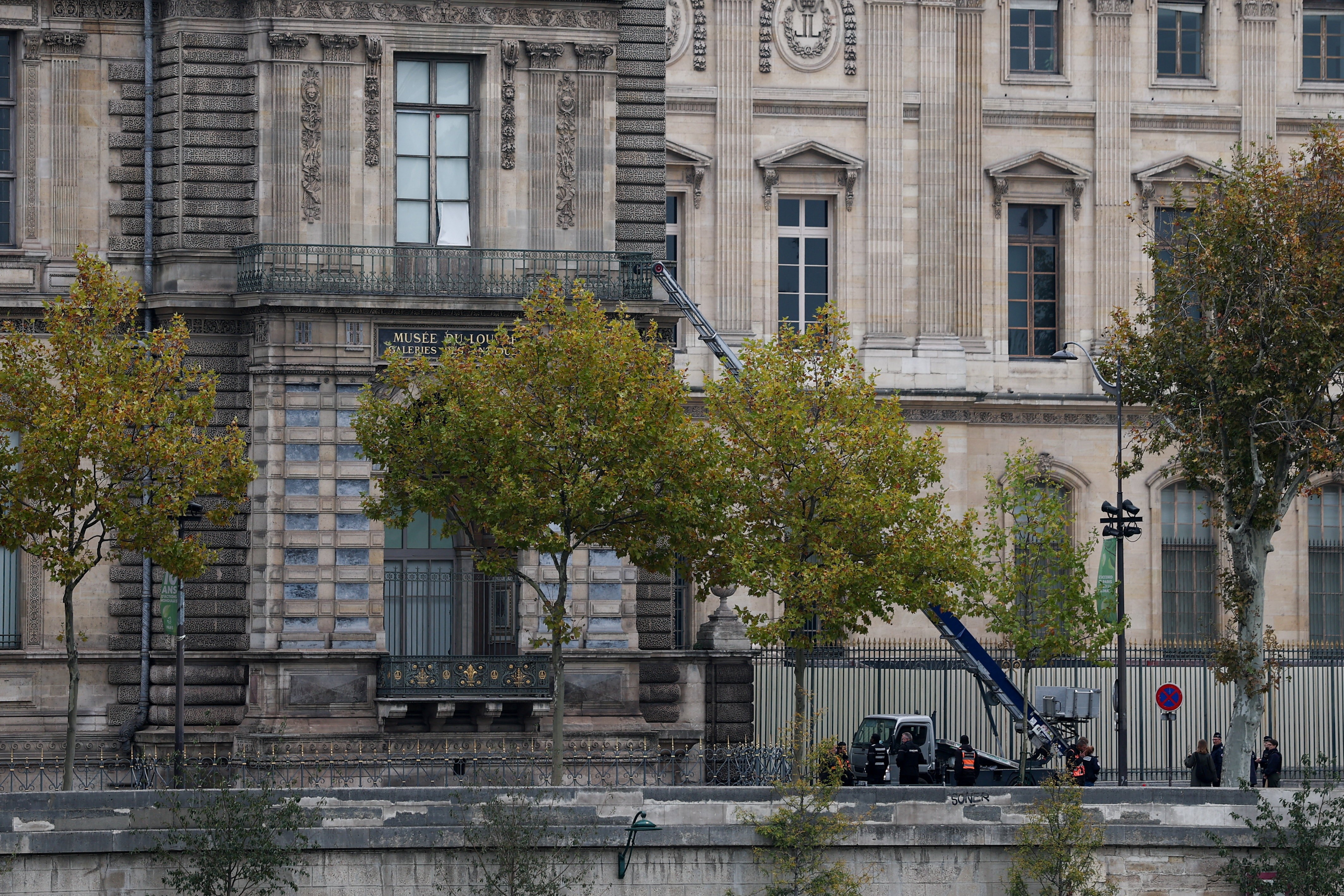
Two men arrested in connection with the October 2025 jewel theft at the Louvre Museum in Paris have told police they were promised up to €25,000 for the crime. According to a report by "Le Monde," which accessed their interrogation transcripts from June, the suspects stated the heist was orchestrated by an unidentified mastermind. The brazen daylight robbery occurred on October 19, with two individuals using a ladder to access the second floor, breaking a window, using grinders on display cases, and escaping on scooters in under seven minutes. The stolen jewels are valued at $102 million (over R$521 million) and have not been recovered. The arrested suspects, identified as 40-year-old Abdoulaye N. and 36-year-old Ghelamallah A., were detained just over a week after the crime and are being investigated for theft and criminal association. They reportedly claimed they were approached by the crime's planner two to three days prior and that the payment would vary based on the items secured. One suspect admitted to dropping a crown during the escape, which apparently displeased the planner who expected more items to be stolen. "Le Monde" notes that investigators are cautious about the mastermind's involvement, as no communication records between the suspects and a third party have been found. Two other individuals are also in preventative detention in connection with the crime, though their specific roles remain undisclosed. The Louvre, the world's most visited museum, houses over 33,000 works of art.
The reported statements of the arrested suspects in the Louvre jewel heist offer a glimpse into the operational dynamics of high-value theft. The alleged payment structure, ranging from €15,000 to €25,000, suggests a transactional approach to organized crime, potentially indicating a sophisticated network operating beyond the direct perpetrators. The suspects' claims of an unidentified mastermind and their expressed fear of retaliation highlight the hierarchical and coercive elements often present in such criminal enterprises. Investigators' caution regarding the mastermind's existence, due to a lack of communication records, points to the challenges in attributing responsibility and dismantling complex criminal organizations. This incident underscores the ongoing tension between physical security measures in cultural institutions and the evolving methods of sophisticated criminal actors, particularly in an era where digital footprints can be deliberately obscured.
AI-generated to prompt reflection — not editorial opinion, not advice, not a statement of fact. How this works.