Louvre Jewel Thieves Reportedly Said Organizer Was Disappointed With Loot
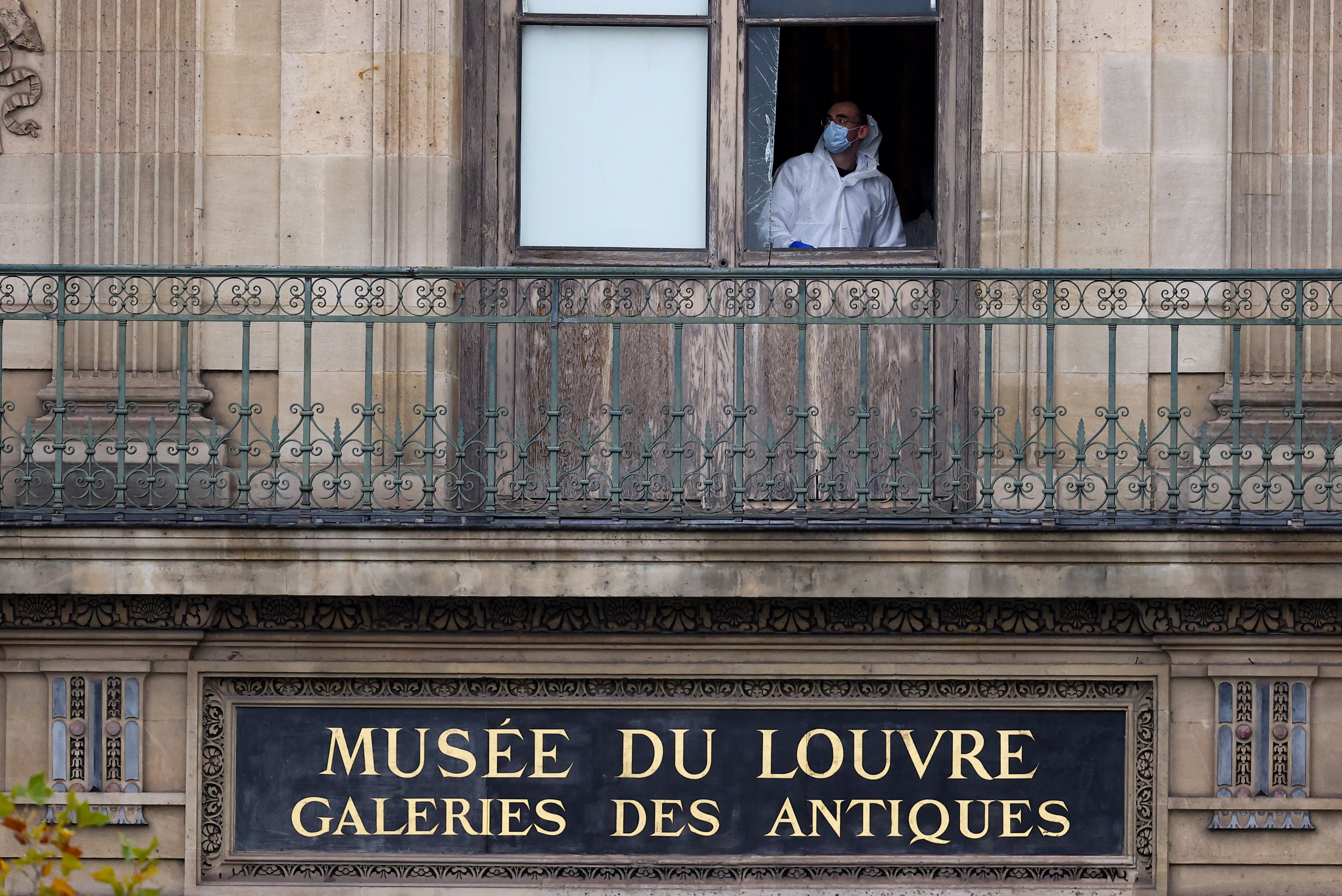
Two men suspected of stealing crown jewels valued at 88 million euros from the Louvre Museum in Paris last October have reportedly told investigators that the alleged mastermind of the heist was disappointed with the retrieved loot. According to The Guardian, the suspects stated that the organizer felt they could have stolen more. The specific details of the theft and the identities of the suspects and the organizer have not been fully disclosed. The value of the stolen items represents a significant loss, highlighting potential security vulnerabilities at a world-renowned institution. The investigation is ongoing, with authorities seeking to recover the stolen jewels and bring all involved parties to justice. The incident raises questions about the security measures in place at major cultural landmarks and the methods employed by sophisticated criminal networks.
This incident underscores the persistent challenge of safeguarding high-value cultural assets against organized criminal activity. The reported disappointment of the heist's organizer suggests a potential mismatch between operational planning and execution, or perhaps an underestimation of the security apparatus. From a systems perspective, such high-profile thefts often expose the trade-offs between public accessibility and robust security protocols in world-class museums. Future mitigation strategies may need to balance visitor experience with advanced technological surveillance and rapid response capabilities, considering the evolving sophistication of criminal enterprises and the increasing value placed on cultural heritage.
AI-generated to prompt reflection — not editorial opinion, not advice, not a statement of fact. How this works.