Louvre Reopens Apollo Gallery After Nine Months, Minus Stolen Treasures
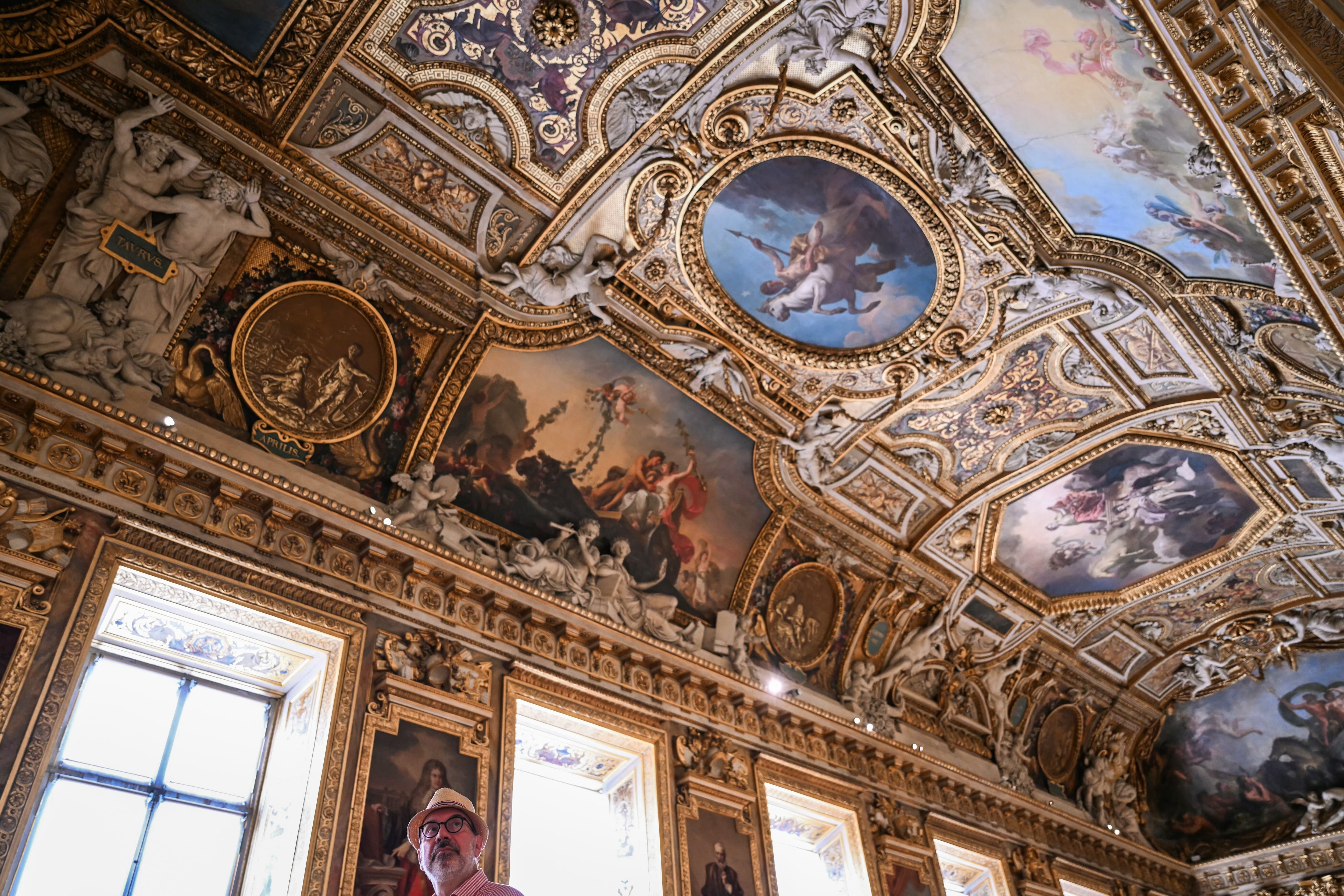
The Louvre Museum in Paris has reopened its Apollo Gallery to the public after a nine-month closure. The gallery was closed following the theft of precious objects from its previous collection. Visitors can now once again explore the renowned hall. However, the "precious objects" that were previously on display have been removed from the exhibition. The reopening marks a significant moment for the museum, allowing access to a key part of its historical and artistic heritage. The absence of the stolen items highlights the ongoing impact of the incident on the museum's displays. The Louvre continues to address the security implications of the theft. The gallery's reopening is a step towards restoring its full exhibition capacity, albeit with modifications.
The reopening of the Apollo Gallery, nine months after a significant theft, presents a complex scenario for cultural heritage institutions. While allowing public access is crucial for engagement and education, the removal of 'precious objects' underscores the persistent challenges in safeguarding invaluable artifacts. This situation prompts reflection on the evolving security paradigms required in the face of sophisticated threats. Future strategies may need to balance accessibility with enhanced protective measures, potentially leveraging advanced technologies and revised curatorial approaches to mitigate risks without compromising the visitor experience. The incident also highlights the economic and cultural value of such collections, influencing decisions around insurance, display methods, and international cooperation in combating illicit trafficking.
AI-generated to prompt reflection — not editorial opinion, not advice, not a statement of fact. How this works.