Low-E Windows: Energy Efficient, but a Rare Fire Hazard for Neighbors
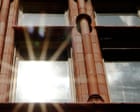
Low-emissivity (low-E) windows are a green technology designed to improve building energy efficiency by keeping homes warm in winter and cool in summer. These windows feature a thin coating of metal or metal oxide on the glass. This coating allows visible light to pass through while reflecting infrared radiation. In winter, this reflects interior heat back inside, conserving warmth. In summer, it repels unwanted solar radiation, helping to keep the interior cool. However, a rare side-effect associated with these windows, particularly those with bowed glass, can pose a fire risk to neighboring properties. The magnifying effect of the glass can potentially concentrate sunlight, leading to ignition.
Low-E windows represent a significant advancement in building insulation and energy conservation, aligning with global sustainability goals. The identified risk, while rare, highlights a critical interplay between material science, architectural design, and public safety. Future urban planning and building codes may need to consider the cumulative impact of such technologies, especially in densely populated areas. Evaluating the trade-offs between energy efficiency benefits and potential localized hazards is essential for responsible technological deployment. This situation underscores the importance of thorough risk assessment and mitigation strategies throughout the lifecycle of innovative building materials.
AI-generated to prompt reflection — not editorial opinion, not advice, not a statement of fact. How this works.