Low Natural Disaster Damage in First Half of Year Despite Storms, Earthquakes, and Floods
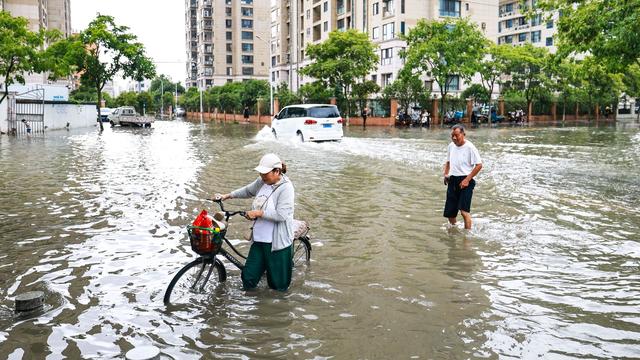
Germany experienced relatively low damage from natural disasters during the first half of the year, according to preliminary figures. Despite occurrences of storms, earthquakes, and floods, the overall financial impact remained limited. The data indicates that the resilience of infrastructure and effective disaster preparedness measures may have played a significant role in mitigating potential losses. Further analysis will be needed to fully understand the contributing factors behind these lower-than-expected damages. This period saw a range of weather-related events, but the immediate economic fallout was contained. The full extent of the impact will be assessed as more detailed reports become available. This situation contrasts with periods of more severe natural catastrophes in previous years. The report highlights the importance of ongoing investment in climate adaptation and robust emergency response systems. The preliminary findings suggest a positive trend in managing the consequences of natural events.
The reported low damage from natural disasters in the first half of the year, despite various events, suggests a potential increase in societal resilience and effective risk management strategies. This could be attributed to improved building codes, advanced early warning systems, and swift emergency response protocols. However, it is crucial to consider whether this low-damage period reflects a genuine decrease in event severity or a temporary reprieve. The long-term implications of climate change may still present significant future risks, necessitating continued investment in infrastructure and adaptation measures. Understanding the precise mechanisms that led to this low-damage outcome, whether through policy, technology, or sheer luck, will be vital for future planning and resource allocation in disaster preparedness.
AI-generated to prompt reflection — not editorial opinion, not advice, not a statement of fact. How this works.