Low Rhine River Levels Force German River Cruises to Divert to Rotterdam
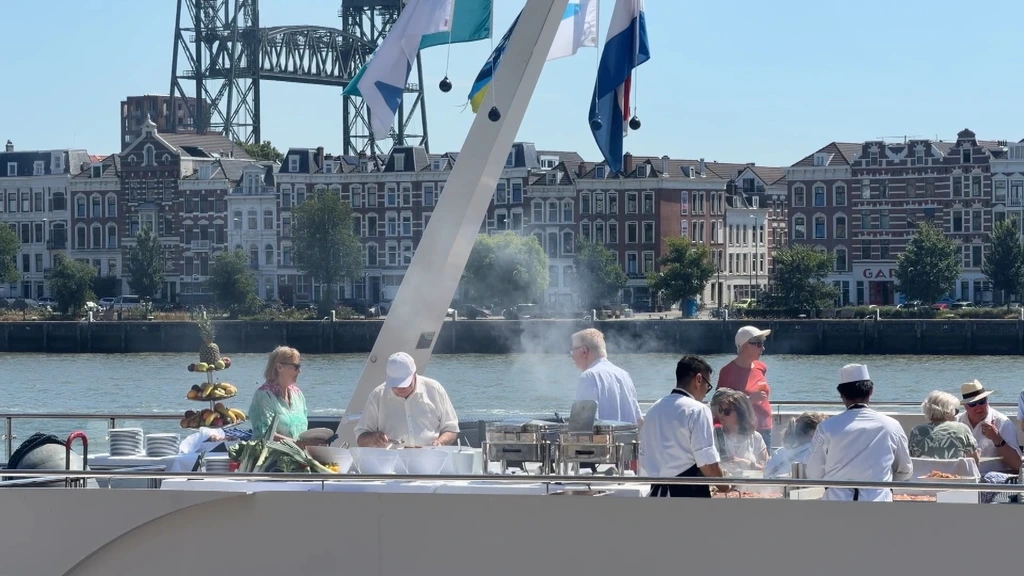
Due to critically low water levels on the Rhine River, German river cruise ships originally bound for Switzerland are now diverting to the Netherlands, with Rotterdam serving as a notable stop. Passengers, who boarded along the Rhine in Germany, are experiencing an altered itinerary, traveling a more northerly route. One German passenger remarked on the change, noting the absence of mountains but appreciating the scenery and local cuisine, like cheese. Captain André Bruins Slot of the MS Asara explained that the low water depth makes reaching destinations further south, including Switzerland, impossible, necessitating adjustments to the sailing schedule. The cruise has already made stops in Amsterdam and Enkhuizen, with further destinations including Vlissingen, Antwerp, and Nijmegen. Passengers in Rotterdam seem unfazed, enjoying the city's attractions, shopping, and the onboard amenities. However, the return journey presents challenges, as the Rhine's water levels decrease significantly further inland. Cologne, a common embarkation point, is now inaccessible due to the low water. Captain Bruins Slot stated that the situation is exceptional and requires daily monitoring, with potential disembarkation points like Düsseldorf being considered. He assured passengers that alternative transportation, such as bus or train, would be arranged for their return home, though likely not from their original boarding location.
The current low water levels on the Rhine River highlight the increasing vulnerability of established European transportation networks to climate change impacts. This situation forces logistical adaptations for the river cruise industry, shifting itineraries and potentially impacting passenger satisfaction and operational costs. The reliance on alternative ground transportation for passengers underscores the need for integrated, multi-modal transport solutions that can buffer against disruptions in any single mode. Future planning for such industries will likely need to incorporate more robust risk assessments and contingency strategies, considering the projected intensification of extreme weather events due to global warming. This event serves as a microcosm of broader systemic challenges in adapting critical infrastructure to environmental shifts.
AI-generated to prompt reflection — not editorial opinion, not advice, not a statement of fact. How this works.