Low Rhine River Levels Threaten Fuel Shortages in Germany
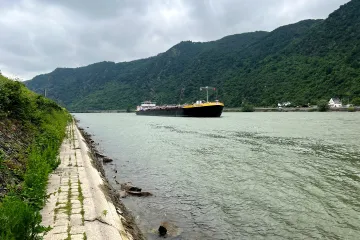
Extreme drought conditions have caused critically low water levels on the Rhine River, raising concerns about potential fuel shortages across Germany. This situation is also prompting Switzerland to consider tapping into its strategic oil reserves. The Rhine is a vital transportation artery, and its reduced navigability threatens to disrupt the supply of essential goods. This development highlights the vulnerability of key global trade routes, with the Rhine now potentially joining the Strait of Hormuz, Black Sea ports, and the Bab el-Mandeb Strait as severely impacted shipping areas. The ongoing drought exacerbates existing logistical challenges, potentially leading to increased transportation costs and impacting various industries reliant on riverine transport.
The current low water levels on the Rhine River, driven by extreme drought, underscore the systemic risks associated with climate change impacting critical infrastructure. This event highlights the interconnectedness of global supply chains and energy security, where a single environmental factor can cascade into widespread economic disruption. The reliance on waterways like the Rhine for transporting fuels and goods reveals a potential vulnerability in logistical planning, especially in the face of increasingly unpredictable weather patterns. Future infrastructure and energy strategies may need to incorporate greater resilience against such environmental shocks, potentially through diversified transportation methods or enhanced storage capabilities, to mitigate the impact of climate-induced disruptions over the next decade.
AI-generated to prompt reflection — not editorial opinion, not advice, not a statement of fact. How this works.