Low Rhine Water Levels Disrupt Ferry Services
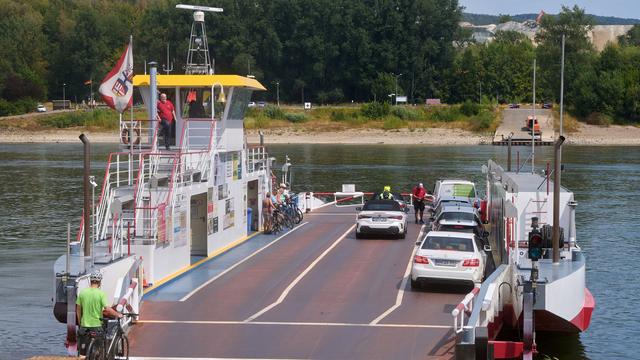
Low water levels in the Rhine River are significantly impacting ferry operations in Germany. The ongoing drought conditions have caused the river's water levels to drop to critical points, making navigation difficult for many vessels. This situation is particularly affecting ferry services that rely on consistent water depths for safe passage and operation. As a result, some ferry routes may experience delays or cancellations. Authorities are monitoring the situation closely and advising passengers to check for updates from their respective ferry operators. The economic implications of these disruptions are also a concern, as the Rhine is a vital waterway for transporting goods and people. The current low water levels highlight the vulnerability of critical infrastructure to climate-related challenges. The duration of these low water levels remains uncertain, dependent on future rainfall and weather patterns.
The recurring issue of low water levels in the Rhine, exacerbated by climate change, presents a systemic challenge to Germany's vital transportation network. This environmental vulnerability impacts not only ferry services but also broader shipping and logistics, underscoring the need for adaptive infrastructure and contingency planning. The economic reliance on the Rhine necessitates a long-term strategy that accounts for increased water scarcity, potentially involving investments in more resilient transport modes or advanced water management techniques. Future considerations should include how to mitigate the cascading effects of such environmental events on supply chains and regional economies, fostering greater resilience in the face of a changing climate.
AI-generated to prompt reflection — not editorial opinion, not advice, not a statement of fact. How this works.
