Low Rhine Water Levels Threaten Economic Growth, Warns Chamber of Commerce
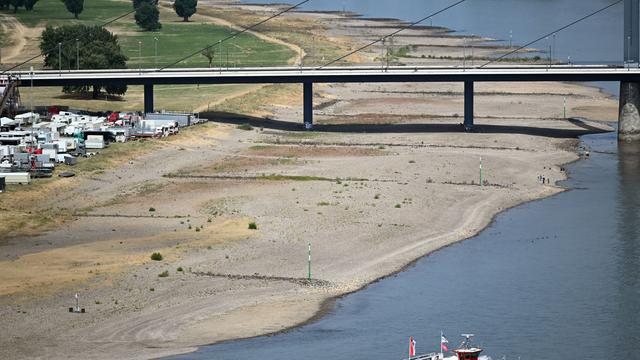
The German Chamber of Industry and Commerce (IHK) has issued a warning that the persistently low water levels on the Rhine River pose a significant threat to Germany's economic growth. The Rhine is a crucial waterway for transporting goods, and reduced water depth severely impacts shipping capacity. Many barges cannot be fully loaded, leading to increased transportation costs and delays. This situation exacerbates existing supply chain issues and could lead to shortages of essential raw materials and finished products for German industries. The IHK emphasizes that if the situation does not improve, the consequences for industrial production and the overall economy could be severe. The chamber is calling for measures to mitigate the impact and ensure the continued navigability of this vital transport route. The low water levels are a recurring problem, often linked to dry summers and insufficient rainfall, highlighting the vulnerability of Germany's infrastructure to climate change.
The recurring issue of low water levels on the Rhine River underscores the systemic vulnerability of critical European transport infrastructure to climatic shifts. While the immediate economic impact is felt through increased shipping costs and supply chain disruptions, the long-term implications involve a re-evaluation of logistical dependencies on natural waterways. Future planning must consider the increasing frequency of such events, potentially necessitating investments in alternative transport modes or infrastructure adaptations. This situation highlights the tension between established industrial practices and the growing realities of climate change, prompting a strategic assessment of resilience and adaptation within the German and broader European economic frameworks.
AI-generated to prompt reflection — not editorial opinion, not advice, not a statement of fact. How this works.