Low River Levels Force European Countries to Cut Nuclear Power Production
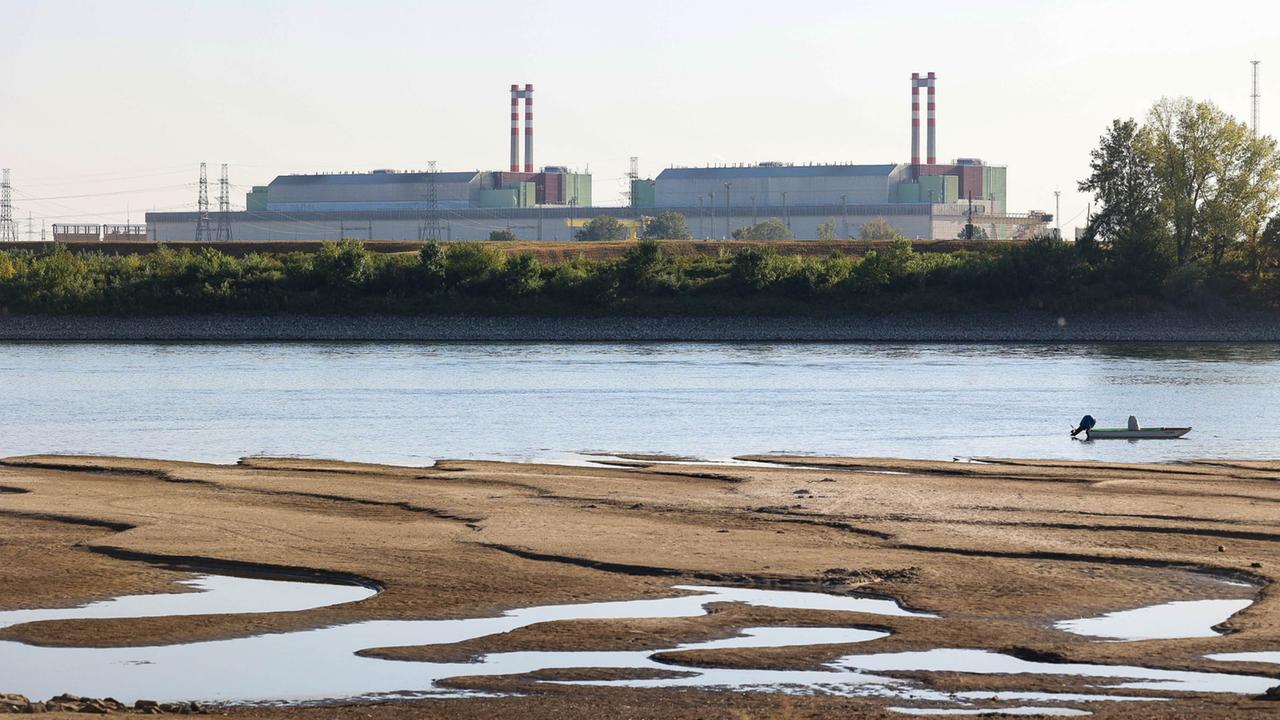
Several European countries are reducing their nuclear power output due to extremely low river levels. The heatwave and lack of rain across Europe have caused significant drops in river water levels, impacting not only shipping but also the operation of nuclear power plants. These facilities require substantial amounts of cooling water, which is now in short supply. The reduced availability of water poses a significant challenge for maintaining consistent energy production from nuclear sources in the affected regions. This situation highlights the vulnerability of critical infrastructure to climate change impacts, particularly extreme weather events like prolonged heat and drought.
The current energy crisis in Europe is being exacerbated by climate-induced water scarcity, directly impacting the operational capacity of nuclear power plants. This situation underscores a systemic vulnerability where critical energy infrastructure relies heavily on natural resources susceptible to climate change. The reliance on river water for cooling highlights a potential conflict between energy demands and environmental sustainability, especially during periods of extreme weather. Future energy strategies may need to incorporate greater resilience against such environmental factors, potentially through diversified cooling technologies or a more distributed energy grid less dependent on single points of failure. This event prompts consideration of how long-term climate projections should inform the planning and maintenance of essential infrastructure.
AI-generated to prompt reflection — not editorial opinion, not advice, not a statement of fact. How this works.