Low River Levels Force Ferry Services in Gelderland to Halt Operations
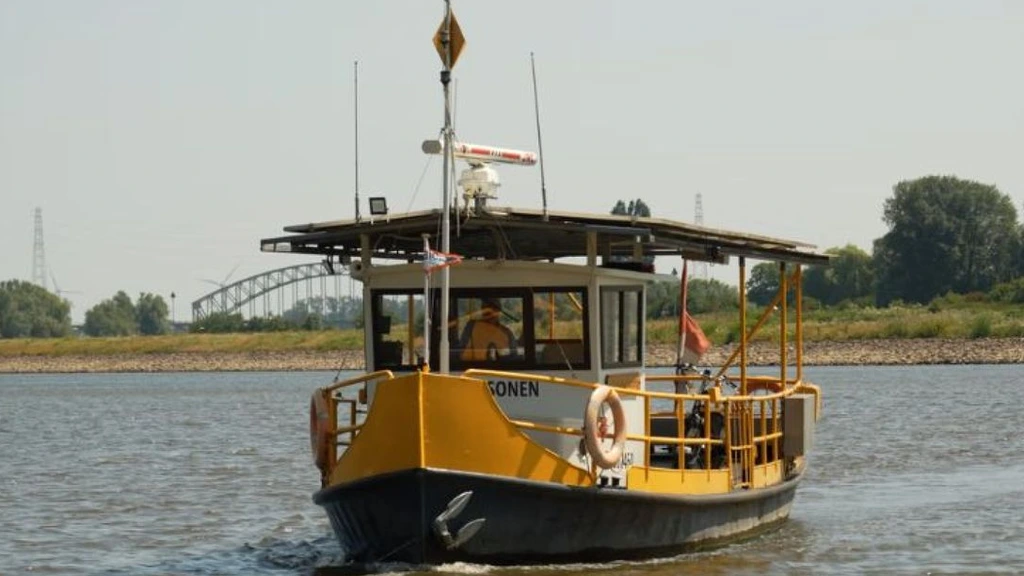
Several ferry services in the Dutch province of Gelderland have been suspended due to exceptionally low water levels on local rivers, exacerbated by ongoing drought. The situation is primarily attributed to critically low water in the Rhine River, which is impacting its tributaries, the Waal and IJssel. Last week, the Rhine recorded its lowest water level ever. Currently, ferry disruptions appear confined to Gelderland, although other regions are implementing measures like water extraction bans and closed locks. Specifically, the ferry between Doornenburg and Pannerden ceased operations yesterday. The service between Rheden and Rhederlaag can no longer transport cyclists and pedestrians. Ferries connecting Druten and Dodewaard, and Beuningen and Slijk-Ewijk, are also out of service. The Liniepont near Culemborg, part of the New Dutch Waterline on the border of Gelderland and Utrecht, is also not running. Ferry operator Richard van Oijen described the situation as unprecedented, noting that while ferries have stopped due to high water in the past, this is the first time in his memory that low water has caused a shutdown. The duration of these suspensions remains uncertain. Earlier, other ferries on the IJssel, such as those between Dieren and Olburgen, and Brummen and Bronkhorst, had already stopped. In contrast, Ton Paulus Veerbedrijf, which operates ferries including those between Opheusden and Wageningen, and Wijk bij Duurstede and Rijswijk, reported that all its Gelderland ferries are currently operational and expressed no immediate concerns.
The suspension of ferry services in Gelderland highlights the increasing vulnerability of established infrastructure to climate-induced water level fluctuations. This event underscores a systemic challenge for regions reliant on navigable waterways, as historical operational norms are being disrupted by extreme weather patterns. The contrast between the suspended services and those still operating suggests varying local impacts and resilience, prompting an examination of water management strategies and infrastructure adaptability. As climate change intensifies, such disruptions may become more frequent, necessitating proactive planning for alternative transportation and resource management to mitigate economic and social consequences.
AI-generated to prompt reflection — not editorial opinion, not advice, not a statement of fact. How this works.
