Low Water Levels Affect Many Rivers in Brandenburg, Not Just the Spree
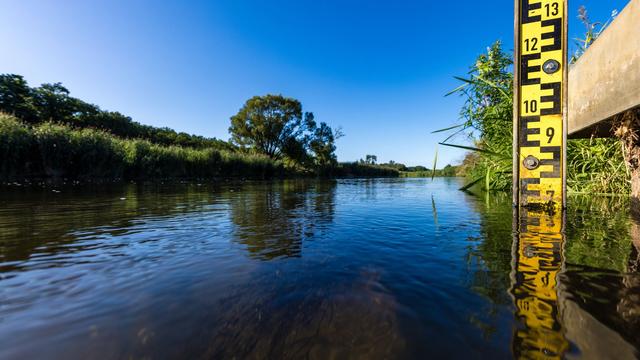
Low water levels are a widespread issue affecting numerous rivers across the German state of Brandenburg, extending beyond the well-known Spree River. This phenomenon is impacting various waterways, signaling a significant environmental concern for the region. The extent of the problem suggests that multiple river systems are experiencing reduced water flow. This situation is likely to have consequences for local ecosystems, water management, and potentially human activities reliant on these water bodies. Further details on the specific rivers affected and the severity of the low water levels are crucial for understanding the full scope of the challenge. The implications could range from ecological stress on aquatic life to challenges in navigation and water supply for communities and industries. Addressing this widespread low water issue will require a comprehensive approach to water resource management in Brandenburg.
The widespread low water levels across Brandenburg's rivers, including the Spree, highlight the vulnerability of regional water resources to climatic shifts and potentially unsustainable water usage patterns. This situation necessitates a forward-looking assessment of water management strategies, considering long-term hydrological trends and the increasing demands on freshwater supplies. Examining the interplay between precipitation patterns, agricultural needs, industrial consumption, and ecological requirements will be key to developing resilient solutions. The current conditions serve as a critical indicator for potential future water scarcity, prompting a review of infrastructure, conservation efforts, and inter-regional water cooperation to ensure sustainable resource availability over the next decade and beyond.
AI-generated to prompt reflection — not editorial opinion, not advice, not a statement of fact. How this works.