Low Water Levels Disrupt Shipping Traffic on the Rhine River
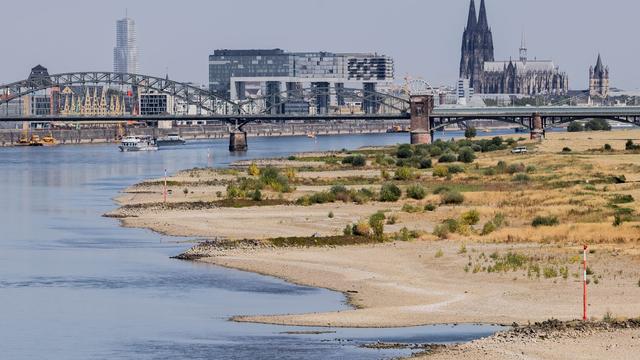
Shipping traffic on the Rhine River is currently experiencing significant disruptions due to critically low water levels. These reduced levels are a direct consequence of ongoing dry weather conditions affecting the region. The diminished water depth makes navigation challenging for vessels, potentially leading to delays and increased operational costs.
The Rhine is a vital waterway for transporting goods throughout Europe, and its reduced navigability impacts various industries reliant on this logistical route. Authorities are monitoring the situation closely, but current forecasts offer little immediate relief. The situation highlights the vulnerability of critical infrastructure to climate-related events and underscores the need for adaptive strategies in transportation and logistics management.
The recurring issue of low water levels on the Rhine, exacerbated by dry weather patterns, presents a persistent challenge to European logistics. This dependency on a single, climate-sensitive waterway reveals systemic vulnerabilities in supply chain resilience. Future planning must consider the increasing frequency of such events, potentially through diversified transport modes, enhanced water management infrastructure, or technological solutions that allow for navigation in shallower conditions. The economic implications necessitate proactive adaptation rather than reactive responses to maintain the flow of goods and support industrial activity.
AI-generated to prompt reflection — not editorial opinion, not advice, not a statement of fact. How this works.