Low Water Levels in Rhine River Cause Hotel Ship to Run Aground, Ferry Service Disrupted
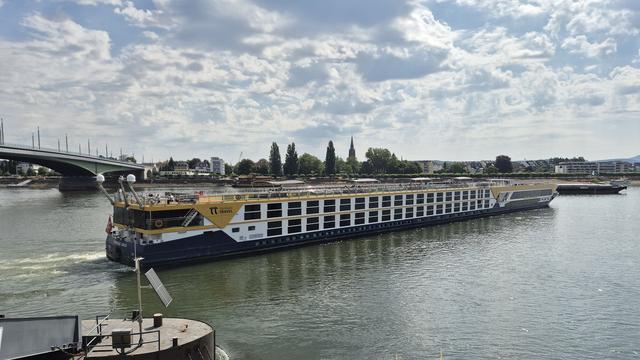
Low water levels in the Rhine River have led to a hotel ship becoming stuck. The vessel ran aground due to the reduced water depth, causing significant disruption. As a consequence of the ship's obstruction, a local ferry service has been forced to cease operations. This incident highlights the ongoing challenges posed by drought conditions affecting major European waterways. The Rhine is a critical transport route for goods and passengers, and its low water levels have a cascading effect on various sectors. The stranded hotel ship is currently awaiting efforts to dislodge it. The duration of the ferry service's suspension remains uncertain, depending on the resolution of the grounding incident and subsequent river clearance. This event underscores the vulnerability of riverine transportation to environmental factors, particularly climate-induced low water periods.
The grounding of the hotel ship and subsequent ferry disruption in the Rhine River, attributed to low water levels, illustrates the increasing fragility of critical European infrastructure under climate stress. Reduced navigability of major rivers like the Rhine directly impacts supply chains, tourism, and local transit, revealing systemic vulnerabilities. As climate change intensifies, such incidents are likely to become more frequent, necessitating adaptive strategies in infrastructure management and transportation logistics. Future planning must consider more resilient systems capable of withstanding prolonged periods of low water, potentially through technological innovation or revised operational protocols for waterway usage.
AI-generated to prompt reflection — not editorial opinion, not advice, not a statement of fact. How this works.