Low Water Levels Restrict Nuclear Power Production Across Europe
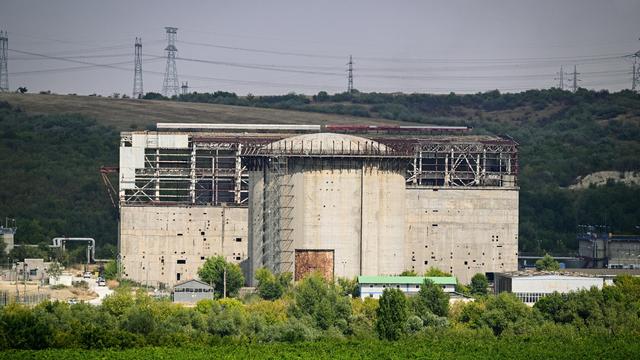
Nuclear power generation in several European countries is facing limitations due to low water levels, which are essential for cooling the reactors. This situation is impacting the availability of nuclear energy across the continent. Hungary has specifically requested major industrial companies to reduce their energy consumption in response to the cooling water shortages. The reduced capacity from nuclear plants could potentially strain energy supplies and necessitate alternative power sources. This highlights the vulnerability of energy infrastructure to climate-related environmental changes. The ongoing situation underscores the need for resilient energy strategies that can adapt to fluctuating environmental conditions. Further impacts on energy prices and grid stability are possible if the low water levels persist.
The reliance on nuclear power, while offering low-carbon electricity, is demonstrably susceptible to environmental factors like water availability. This situation reveals a systemic vulnerability where climate change impacts, such as reduced river flows, can directly constrain energy production capacity. The need for industrial energy reduction in Hungary points to potential grid stress and the complex interplay between energy demand, supply, and environmental constraints. Future energy planning must integrate climate resilience, exploring diversified cooling methods or alternative energy sources that are less dependent on specific hydrological conditions to ensure stable and reliable power generation over the next decade.
AI-generated to prompt reflection — not editorial opinion, not advice, not a statement of fact. How this works.