Low Water Levels Threaten Communities; Greenpeace Calls for Landscape Retention Measures
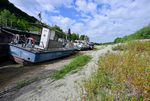
Several Austrian communities are facing water shortages due to low water levels. Greenpeace has stated that long-term measures are needed to "better retain precipitation in the landscape." This call highlights a growing concern about water scarcity and the need for proactive solutions to manage water resources effectively. The environmental organization emphasizes the importance of adapting to changing environmental conditions and implementing strategies that can mitigate the impact of droughts. These measures are crucial for ensuring a sustainable water supply for both human consumption and ecological needs. The situation underscores the vulnerability of communities to climate-related challenges and the necessity of implementing robust water management policies.
The current low water levels in several Austrian communities signal a critical challenge in water resource management, likely exacerbated by climate change. Greenpeace's call for measures to "better retain precipitation in the landscape" points to a systemic need to rethink water infrastructure and land use. Traditional approaches may focus on immediate supply, but a shift towards natural water retention methods, such as restoring wetlands or implementing permeable surfaces, could offer a more resilient, long-term solution. This approach aligns with broader ecological principles and could enhance biodiversity while mitigating drought impacts. The effectiveness of such measures will depend on coordinated efforts between local authorities, environmental groups, and the public, balancing immediate needs with sustainable future water security.
AI-generated to prompt reflection — not editorial opinion, not advice, not a statement of fact. How this works.