Loyal Dog Accompanies Owner in Ambulance to Hospital in Rio Verde, Goiás
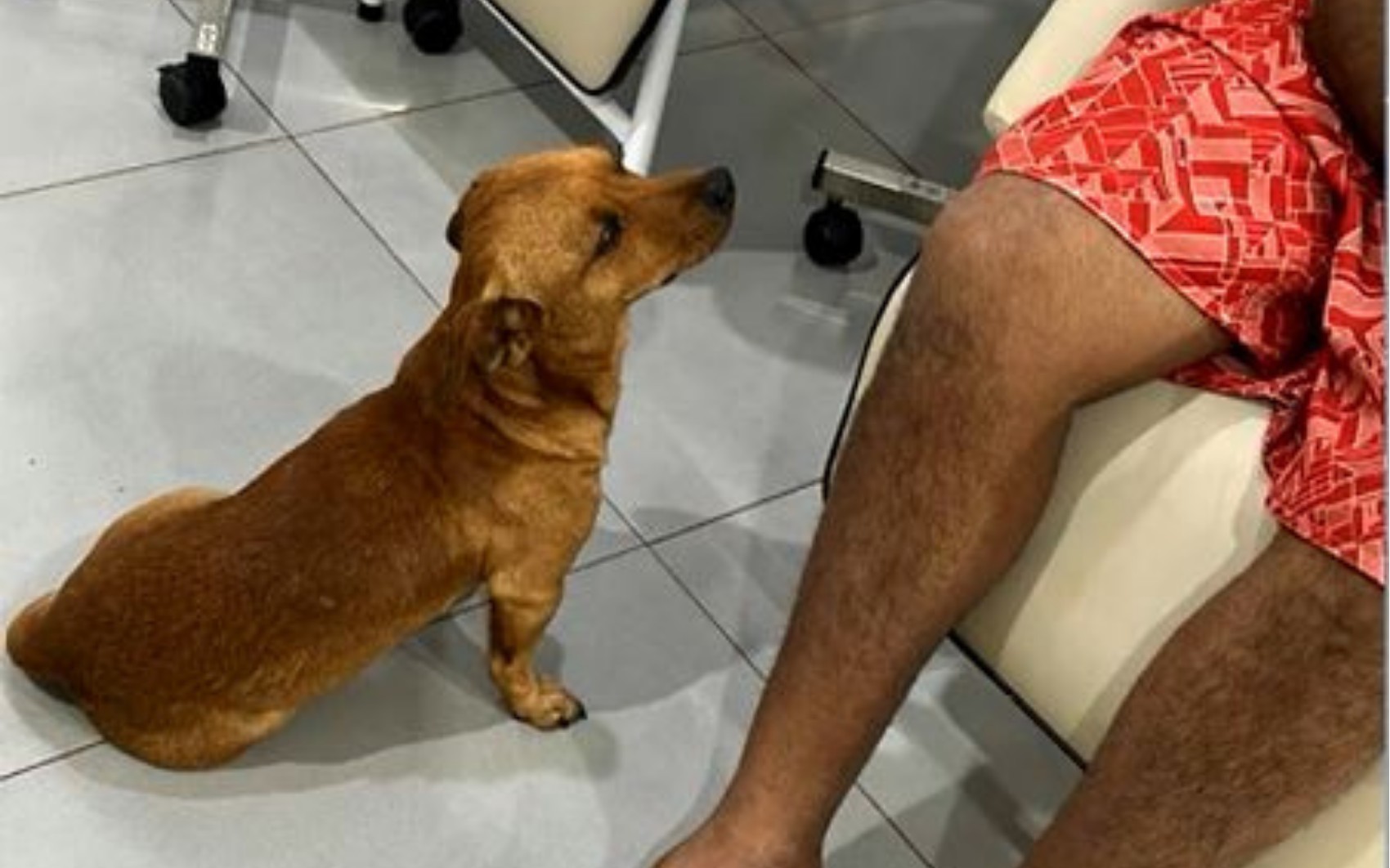
A dog affectionately known as 'Caramelo' has touched hearts online after it accompanied its owner inside an ambulance from the Mobile Emergency Care Service (Samu) in Rio Verde, Goiás. The incident occurred on Saturday, June 1st, when the owner was found collapsed on the street with his dog by his side. According to Dr. Marco Santux, the dog was calm and did not exhibit any aggressive behavior. When the medical team prepared to transport the owner to the Paulo César de Carvalho Teles Emergency Care Unit (UPA), the dog voluntarily jumped into the ambulance and lay down beside him. This heartwarming display of loyalty has resonated widely on social media, with many users emphasizing the pure bond between animals and their owners. Dr. Santux noted that while animals have occasionally accompanied their owners during medical emergencies, it is not a common occurrence. He emphasized that the Samu team prioritizes common sense and compassion in their care, recognizing that support extends beyond immediate medical attention. Given the circumstances, and with no immediate family available to care for the dog, the team decided to allow Caramelo to travel with its owner. The ambulance was subsequently sanitized to ensure the safety of future patients. The event has sparked discussions about animal loyalty and the profound connections humans share with their pets.
This event highlights the deep emotional bonds between humans and animals, often perceived as unconditional loyalty. From a systemic perspective, the Samu team's decision to allow the dog into the ambulance demonstrates a compassionate approach to patient care, prioritizing emotional well-being alongside medical treatment. This incident also underscores the societal value placed on animal companionship, reflecting a growing awareness of pets as integral family members. In the context of future care models, such events may prompt considerations for integrating animal support into emergency response protocols, balancing logistical challenges with the recognized therapeutic benefits animals can provide. The public's positive reaction suggests a societal inclination towards more empathetic and holistic care practices.
AI-generated to prompt reflection — not editorial opinion, not advice, not a statement of fact. How this works.
