LPG Supply Policy Remains in Effect Despite Easing Fears, Burdening Consumers
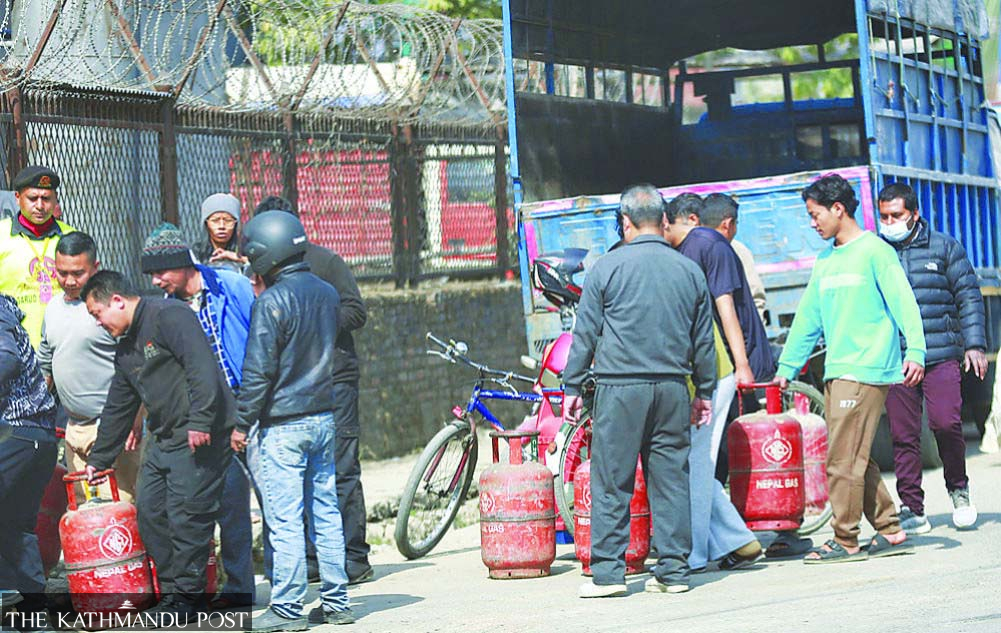
An emergency policy for Liquefied Petroleum Gas (LPG) supply, implemented during the West Asia conflict, is continuing despite easing supply fears, according to consumers, dealers, and bottling companies. This policy, which mandates that LPG tanks be only half-filled, has outlived its original purpose. Stakeholders argue that the measure now imposes additional transport costs and operational burdens on the industry. Furthermore, full gas supplies are still not consistently available to consumers. The continuation of this policy is leading to higher prices for consumers, as the added expenses are passed on. The industry is calling for a review and potential discontinuation of the half-filled policy, citing its current ineffectiveness and negative economic impact.
The persistence of the half-filled LPG policy, even as supply concerns diminish, suggests a potential disconnect between the policy's original intent and its current operational reality. While initially conceived as a crisis response, its continued application may reflect bureaucratic inertia or the emergence of new, unstated benefits for certain stakeholders. The added costs borne by consumers and the industry highlight the economic trade-offs inherent in emergency measures, which can become inefficient or counterproductive once the immediate crisis subsides. This situation prompts consideration of the governance mechanisms for emergency policies, ensuring they are regularly reviewed for continued relevance and economic viability, particularly in light of evolving geopolitical and market conditions.
AI-generated to prompt reflection — not editorial opinion, not advice, not a statement of fact. How this works.