Lucélia Police Investigate Suspected Animal Poisonings
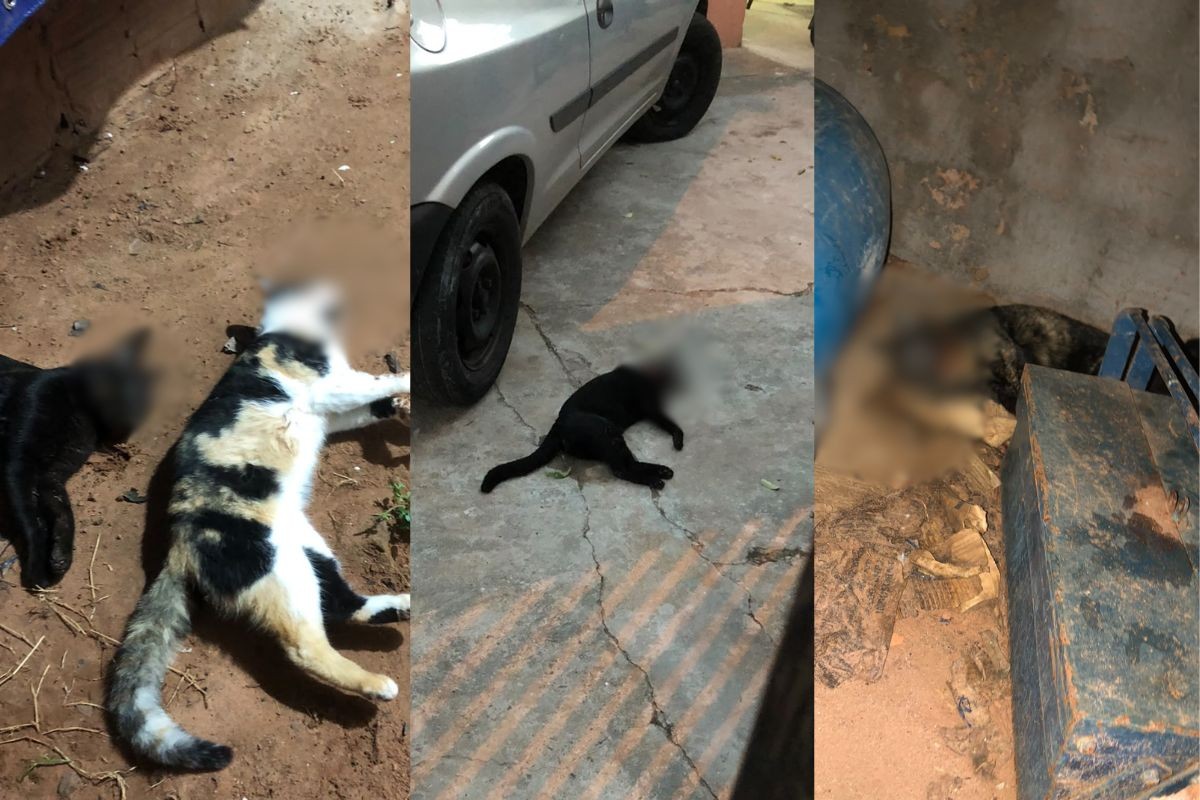
The Civil Police in Lucélia, São Paulo, Brazil, are investigating suspected cases of animal cruelty following the discovery of multiple dead pets in June. Authorities announced the investigation on Monday, June 13th. The deceased animals, identified as stray dogs and cats without owners, reportedly showed signs consistent with poisoning. According to police, the animals appeared healthy one day and were found dead the next, all exhibiting symptoms of poisoning. An official order has been issued to thoroughly investigate these incidents. As of the latest update, no suspects have been identified, and the exact number of affected animals remains unconfirmed. Animal protection advocate Daniela D'Ambros expressed concern, noting that in one instance, several cats were poisoned. Some of these animals were under the care of a temporary foster home, having been rescued from the streets. One case involved a mixed-breed dog that exhibited vomiting and lethargy before dying on Sunday evening, June 12th. This animal has been preserved for a future necropsy and forensic examination. A police report for this incident was filed in person at the Adamantina police station, while another case was reported electronically to the Specialized Animal Protection Unit (DEPA).
The investigation into the suspected poisoning of stray animals in Lucélia highlights a critical public health and animal welfare issue. The incidents point to a potential breakdown in community oversight or a deliberate act of cruelty, underscoring the need for robust animal control and reporting mechanisms. From a societal perspective, such events can reflect underlying tensions or disregard for vulnerable populations, including animals. The police's proactive investigation, including preserving a victim for necropsy, demonstrates a commitment to due process and evidence gathering. Moving forward, understanding the root causes—whether individual malice, lack of resources for animal management, or broader societal neglect—will be crucial for implementing effective preventative strategies and fostering a more compassionate community environment.
AI-generated to prompt reflection — not editorial opinion, not advice, not a statement of fact. How this works.