Luiz Carlos Barreto, Brazilian Cinema Pioneer and Photographer, Dies at 98
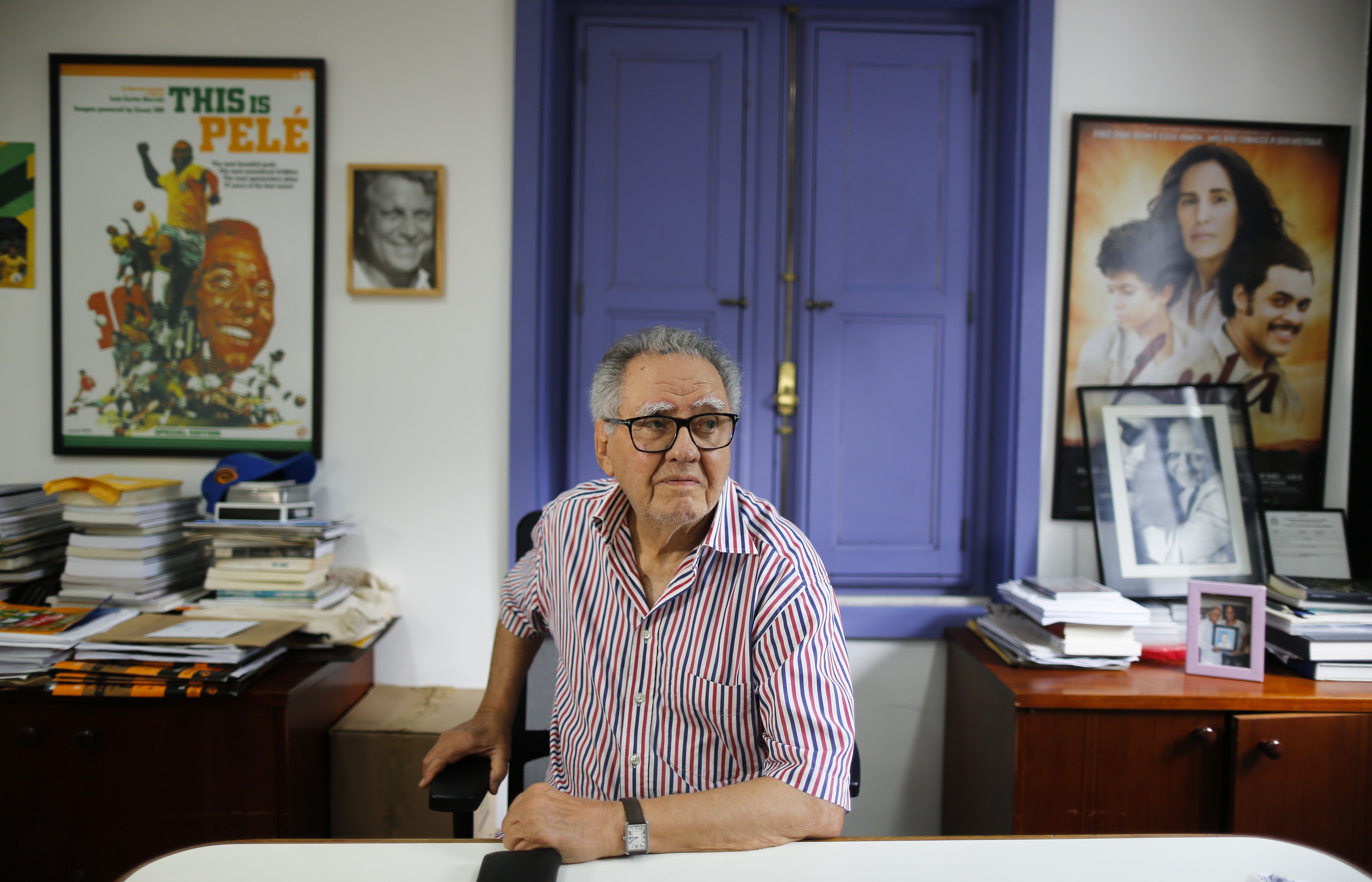
Luiz Carlos Barreto, a towering figure in Brazilian cinema, passed away at the age of 98 in Rio de Janeiro on Wednesday, March 22nd. Born in Sobral, Ceará, Barreto's multifaceted career spanned journalism, photography, and filmmaking. Before becoming a prominent producer, he worked as a journalist and photographed global icons such as Marilyn Monroe, Frank Sinatra, and Fidel Castro. He also had a brief amateur football career with Flamengo and was once called up to the national team for the 1948 London Olympics, though he ultimately did not participate due to funding issues.
Barreto was a key figure in the Cinema Novo movement, known for its realism and social critique during Brazil's military dictatorship. His early career included writing for the then-illegal Communist Party newspaper and working as a reporter and photographer for 'O Cruzeiro' magazine, even serving as a European correspondent. His encounter with Glauber Rocha during the filming of 'Barravento' profoundly influenced his path, leading him to contribute his distinctive cinematography to seminal films like Nelson Pereira dos Santos's 'Vidas Secas' (1963) and Glauber Rocha's 'Terra em Transe' (1967).
Alongside his wife of 71 years, Lucy Barreto, he co-founded LC Barreto, one of Brazil's most significant film production companies, responsible for over 150 films. Their production company championed creative freedom, even during the dictatorship, and brought Brazilian cinema to international recognition with hits like 'Bye Bye Brasil,' 'O Beijo no Asfalto,' and the massive success 'Dona Flor and Her Two Husbands,' which attracted over 10 million viewers and was screened in 80 countries. The Barreto family also earned two Oscar nominations for 'O Que É Isso, Companheiro?' and 'O Quatrilho.' Barreto, affectionately known as 'Barretão,' had been facing health issues since a fall in Ceará in 2024 and was hospitalized for a lung infection. He is remembered for his dedication to strengthening Brazilian cinema and leaving a lasting legacy.
Luiz Carlos Barreto's passing marks the end of an era for Brazilian cinema, highlighting the profound impact of individual visionaries on national cultural output. His career trajectory, from photojournalist capturing global figures to a driving force behind Cinema Novo and a prolific producer, demonstrates the interconnectedness of artistic disciplines and the power of creative entrepreneurship. Barreto's success, particularly through LC Barreto, underscores the resilience of independent production in navigating challenging political climates and market dynamics. His legacy serves as a case study in how sustained artistic commitment, coupled with strategic production, can elevate a national cinema's profile and foster a distinct cultural identity on the global stage, offering valuable insights for future generations of filmmakers and producers navigating the evolving media landscape.
AI-generated to prompt reflection — not editorial opinion, not advice, not a statement of fact. How this works.