Luiz Carlos Barreto, influential Brazilian cinema producer, dies at 98
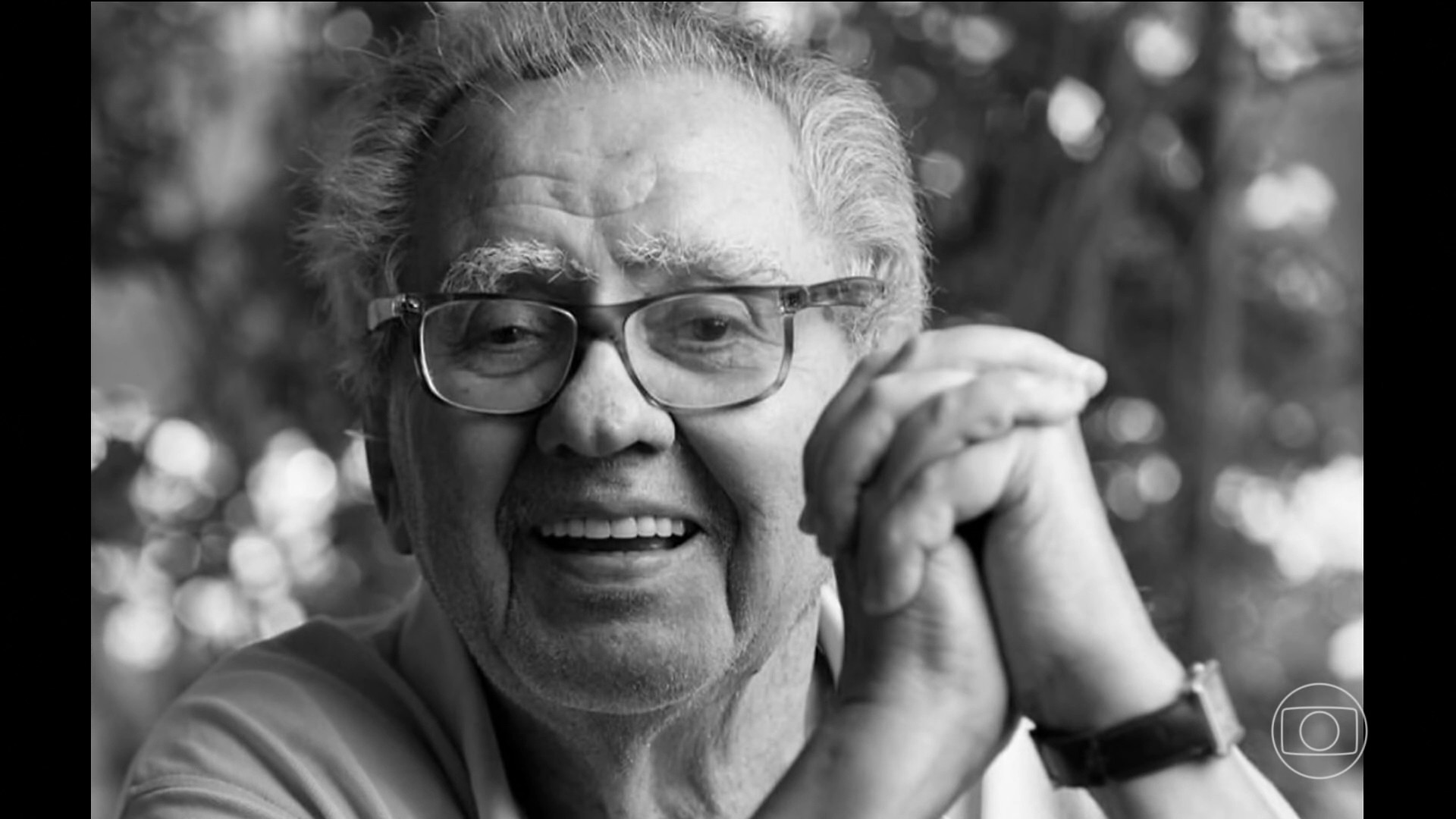
Luiz Carlos Barreto, a towering figure in Brazilian cinema, passed away on Wednesday at the age of 98. Known affectionately as Barretão, he was a photographer, screenwriter, and producer whose career spanned over 70 productions and crucial moments in national audiovisual history, from the Cinema Novo movement to the resurgence of Brazilian film in the 1990s. His death has prompted widespread tributes from artists and professionals who collaborated with him over the decades.
Barreto's career began in photography for magazines and newspapers before he moved into filmmaking. He was instrumental in the Cinema Novo era, contributing his distinctive photographic eye to films like "Vidas Secas" (1963) and Glauber Rocha's "Terra em Transe" (1967). As a producer, he championed a model focused on financing, distribution, and audience engagement, aiming to solidify Brazilian cinema as an industry. He co-founded Difilm and later, with his wife Lucy Barreto, established L.C. Barreto Produções, a partnership characterized by a blend of creativity and rigor. Together, they produced classics such as "Bye Bye Brasil" (1980) and the box office hit "Dona Flor and Her Two Husbands" (1976), which attracted over 11 million viewers.
In the early 1990s, following the dissolution of the state-run Embrafilme, Barreto was a vocal advocate for new funding mechanisms, including incentive laws, grants, and co-productions. This advocacy was key to the "retomada" (resurgence) of Brazilian cinema, a period that saw renewed vitality in film production. During this time, two Barreto family productions, "O Quatrilho" (1995) and "O Que É Isso, Companheiro?" (1997), received Oscar nominations. President Lula declared three days of official mourning in his honor, recognizing Barreto's profound and lasting impact on the Brazilian film industry.
The passing of Luiz Carlos Barreto marks the end of an era for Brazilian cinema, highlighting the critical role of producers in shaping a national film industry. Barreto's career trajectory, from the artistic experimentation of Cinema Novo to advocating for industrial consolidation and navigating post-Embrafilme funding landscapes, illustrates the complex interplay between artistic vision and economic sustainability. His emphasis on financing, distribution, and audience capture underscores a pragmatic approach to ensuring cultural production can thrive. The success of productions like "Dona Flor and Her Two Husbands" and Oscar-nominated films demonstrates the potential for Brazilian cinema to achieve both critical acclaim and commercial viability. Future endeavors in the sector will likely continue to grapple with balancing artistic integrity against the need for robust financial models, especially in an evolving global media environment influenced by streaming platforms and international co-production opportunities.
AI-generated to prompt reflection — not editorial opinion, not advice, not a statement of fact. How this works.