Luiz Carlos Barreto, influential Brazilian filmmaker, dies at 98
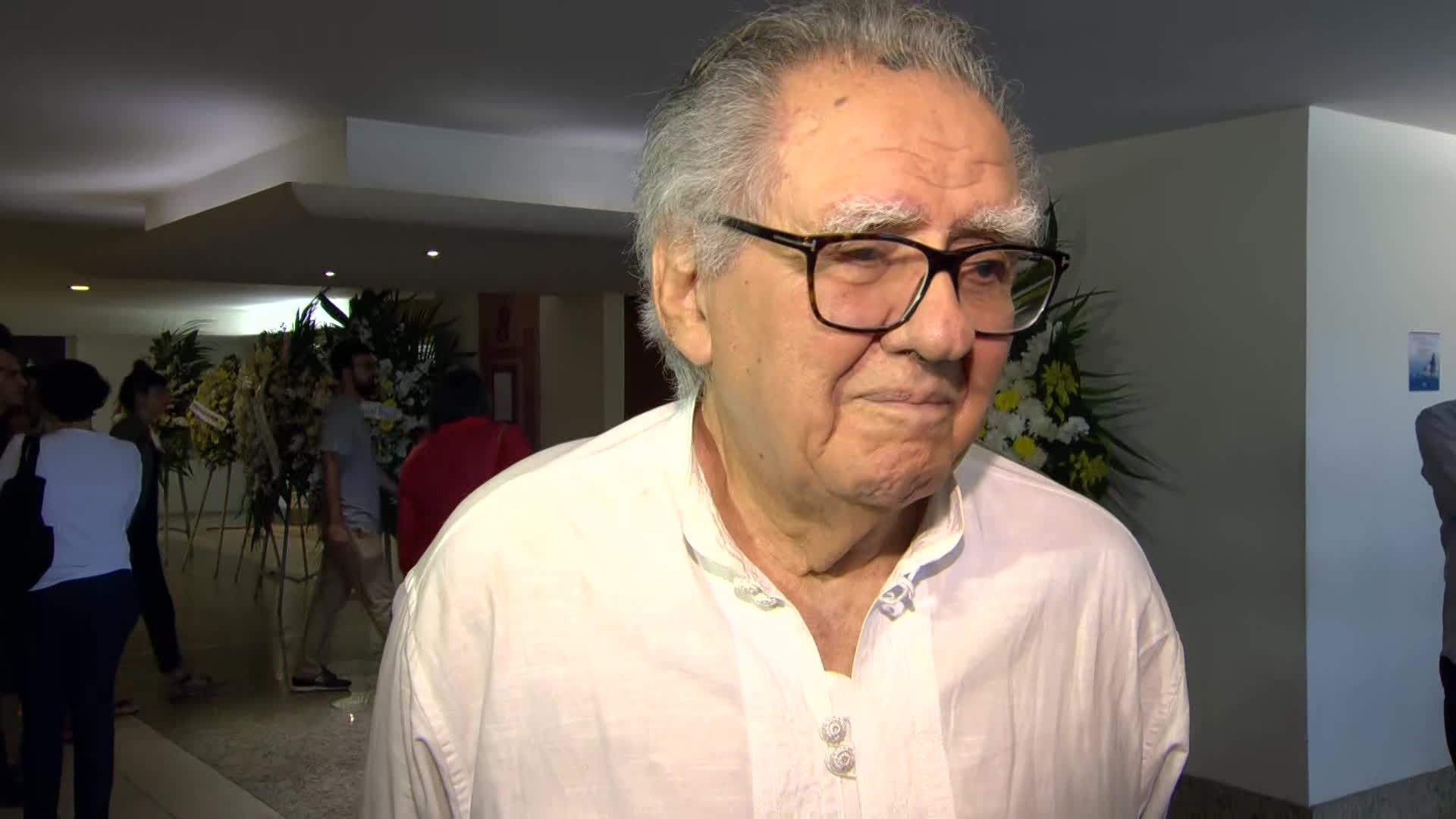
Luiz Carlos Barreto, a towering figure in Brazilian cinema, passed away on Wednesday, May 22nd, at the age of 98 in Rio de Janeiro. Known affectionately as "Barretão," he dedicated over six decades to the audiovisual industry, leaving an indelible mark on its history. His extensive career included directing and producing critically acclaimed and commercially successful films such as "Dona Flor and Her Two Husbands," "O Quatrilho," and "Four Days in September." Barreto firmly believed that "cinema is a useful thing, not a futile thing," a philosophy that guided his impactful work. He was hospitalized at Hospital Copa Star in Copacabana, Rio de Janeiro, at the time of his passing, with the cause of death not immediately disclosed.
Born in Ceará and embracing Rio de Janeiro as his home, Barreto began his career in journalism as a photographer for "O Cruzeiro" magazine. This early experience honed his visual sensibility and his deep connection to Brazilian narratives. His work as a photojournalist even took him to Europe as a correspondent, where he captured images of notable figures like Frank Sinatra, Fidel Castro, and Marilyn Monroe. Barreto transitioned to filmmaking in the 1960s, contributing to seminal works of the Cinema Novo movement, including Nelson Pereira dos Santos' "Vidas Secas" and Glauber Rocha's "Terra em Transe."
However, it was in film production that Barreto truly excelled, demonstrating a remarkable talent for assembling creative teams, securing funding, and bringing ambitious projects to fruition. His production credits include landmark films such as Joaquim Pedro de Andrade's "Garrincha, Alegria do Povo," Cacá Diegues' "Bye Bye Brasil," and an adaptation of Graciliano Ramos' "Memórias do Cárcere." His most significant box-office triumph was "Dona Flor and Her Two Husbands," starring Sônia Braga, which held the record for the most-watched Brazilian film for over three decades. Another popular success was "Menino do Rio," which resonated with a young audience and helped shape a new direction for youth-oriented cinema.
The passing of Luiz Carlos Barreto marks the end of an era for Brazilian cinema, highlighting the critical role of producers in nurturing artistic vision and achieving broad public engagement. Barreto's career, spanning over six decades and encompassing both journalistic photography and influential film production, demonstrates the interconnectedness of visual storytelling mediums. His success in navigating the complex landscape of film financing and talent management underscores the systemic challenges and opportunities within the cultural industries. As the industry evolves with new technologies and distribution models, Barreto's legacy offers a valuable case study in building sustainable creative enterprises that can achieve both artistic merit and widespread appeal, serving as a reminder of the enduring power of compelling narratives rooted in national identity.
AI-generated to prompt reflection — not editorial opinion, not advice, not a statement of fact. How this works.