Luka Modrić: From War's Rubble to Football's Maestro
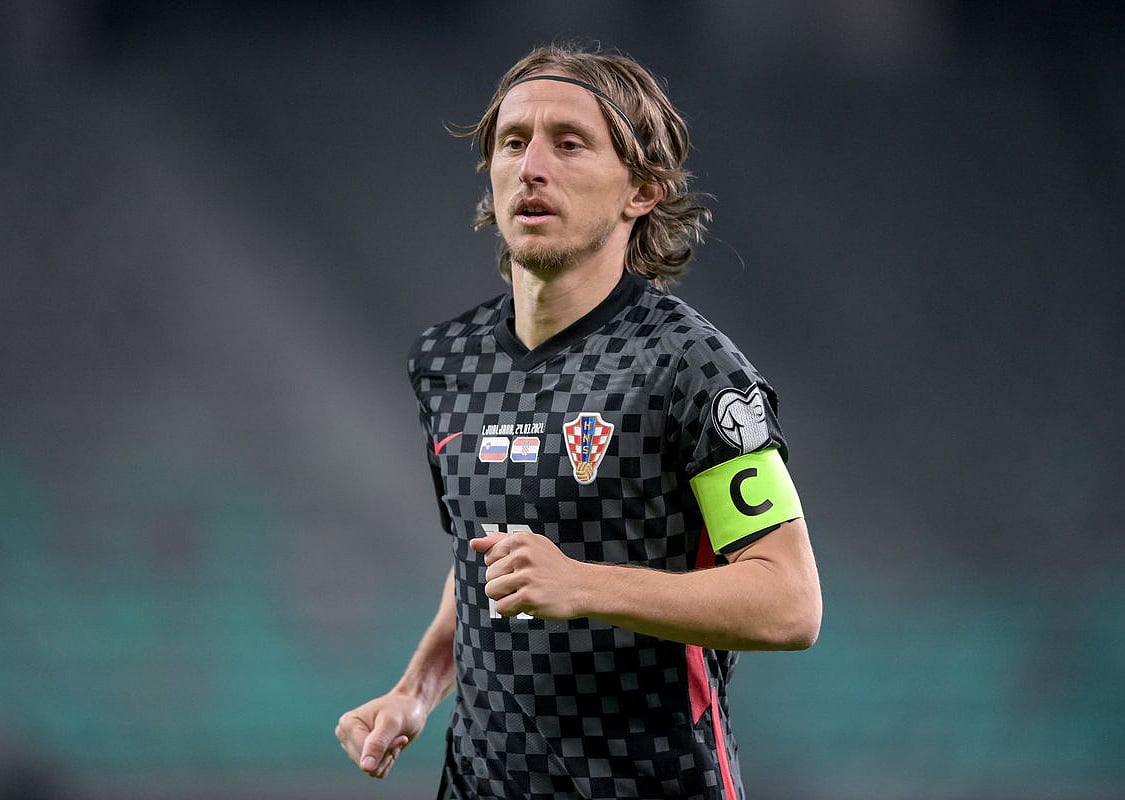
Luka Modrić's journey began amidst the devastation of war, where Serbian military forces burned down all homes in his village of Zaton. To survive, the Modrić family fled and sought refuge as refugees in the city of Zadar. They lived in a small room in the Hotel Kolovare, a stark contrast to the grand stadiums he would later command. This early trauma profoundly shaped his life and career. Despite the hardships, Modrić found solace and an escape in football. His talent quickly became apparent, even in the challenging environment of a refugee camp. He honed his skills on makeshift pitches, dreaming of a future beyond the conflict. This resilience and determination propelled him through the ranks of youth academies. Ultimately, he rose to become one of the most celebrated midfielders in the world. His story is a testament to the power of perseverance against overwhelming odds. Modrić's career has been marked by incredible success, including multiple Champions League titles and a Ballon d'Or award. He is now seen as a symbol of hope and inspiration, proving that even from the most difficult circumstances, greatness can emerge.
Luka Modrić's early life, marked by displacement due to conflict in Zaton, illustrates the profound impact of geopolitical instability on individuals, particularly children. The narrative highlights how sporting talent can emerge and flourish even under extreme duress, serving as a potential coping mechanism and pathway to opportunity. This case underscores the systemic importance of providing safe environments and access to developmental activities, such as sports, for young people affected by conflict. Looking forward, fostering such opportunities globally can mitigate the long-term social and psychological consequences of war, transforming potential adversity into resilience and achievement.
AI-generated to prompt reflection — not editorial opinion, not advice, not a statement of fact. How this works.