Luka Modric: From War Refugee to Croatia's Greatest Captain
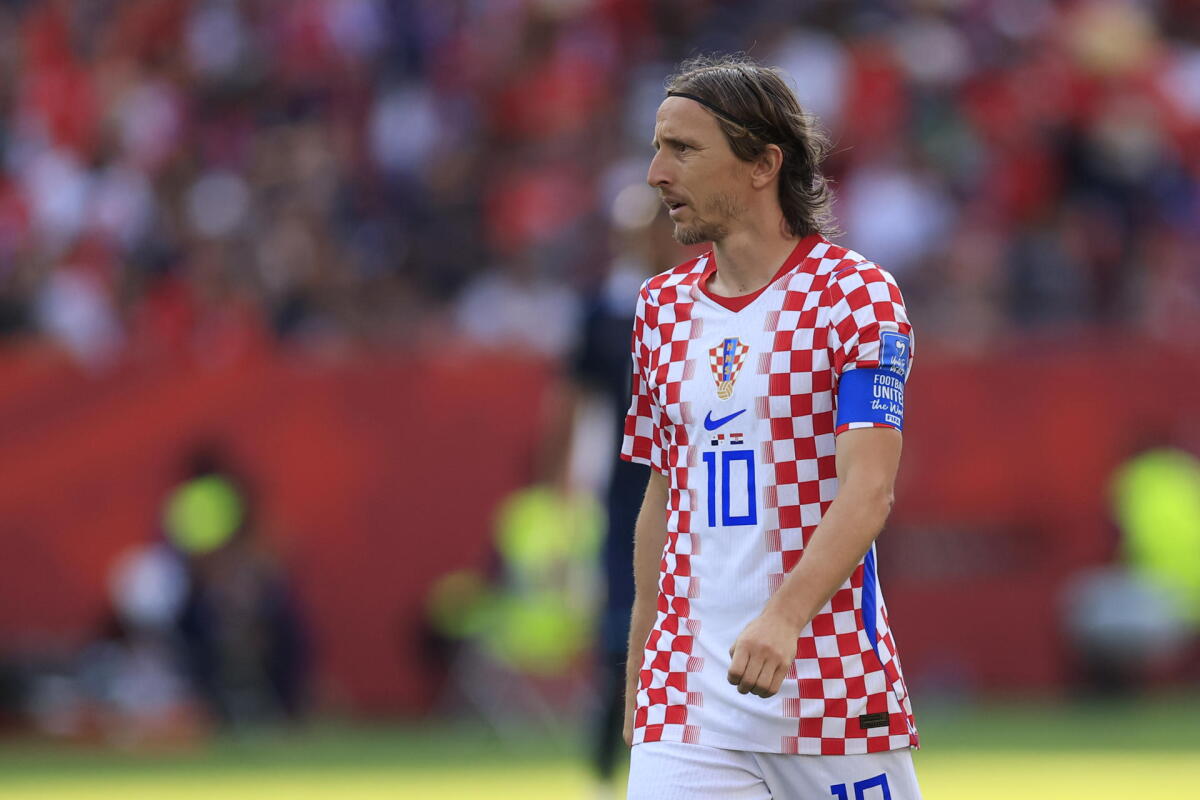
Luka Modric has played his final World Cup match, marking the end of an era for one of football's all-time great midfielders. Modric's journey began as a child displaced by war in Croatia, a stark contrast to his later achievements on the global stage. He rose through the ranks to become the captain of the Croatian national team, leading them to unprecedented success. His career is highlighted by his instrumental role in Croatia's historic run to the final of the 2018 FIFA World Cup, where they ultimately finished as runners-up. Modric also guided Croatia to a third-place finish in the 2022 World Cup, solidifying his legacy. Throughout his illustrious career, he has been recognized with numerous accolades, including the prestigious Ballon d'Or in 2018, acknowledging his individual brilliance. His leadership and skill have made him a pivotal figure in Croatian football history, inspiring a generation of players and fans. Modric's departure from the World Cup stage signifies the conclusion of a remarkable chapter for both the player and his nation's footballing narrative.
Luka Modric's career trajectory from a war-displaced child to captain of a historically successful national team underscores the profound impact of personal resilience and opportunity. His journey highlights how geopolitical instability can shape individual destinies, while also demonstrating the power of sport as a vehicle for national pride and individual achievement. Looking ahead, Modric's legacy prompts consideration of systemic support for young athletes in conflict-affected regions and the long-term development strategies that enable sustained national team competitiveness. The narrative also invites reflection on the evolving role of veteran players in team dynamics and the transition challenges faced by iconic figures as they conclude their international careers.
AI-generated to prompt reflection — not editorial opinion, not advice, not a statement of fact. How this works.