Lula Allies Dismiss PF Investigations Against Lulinha as Election Tactic
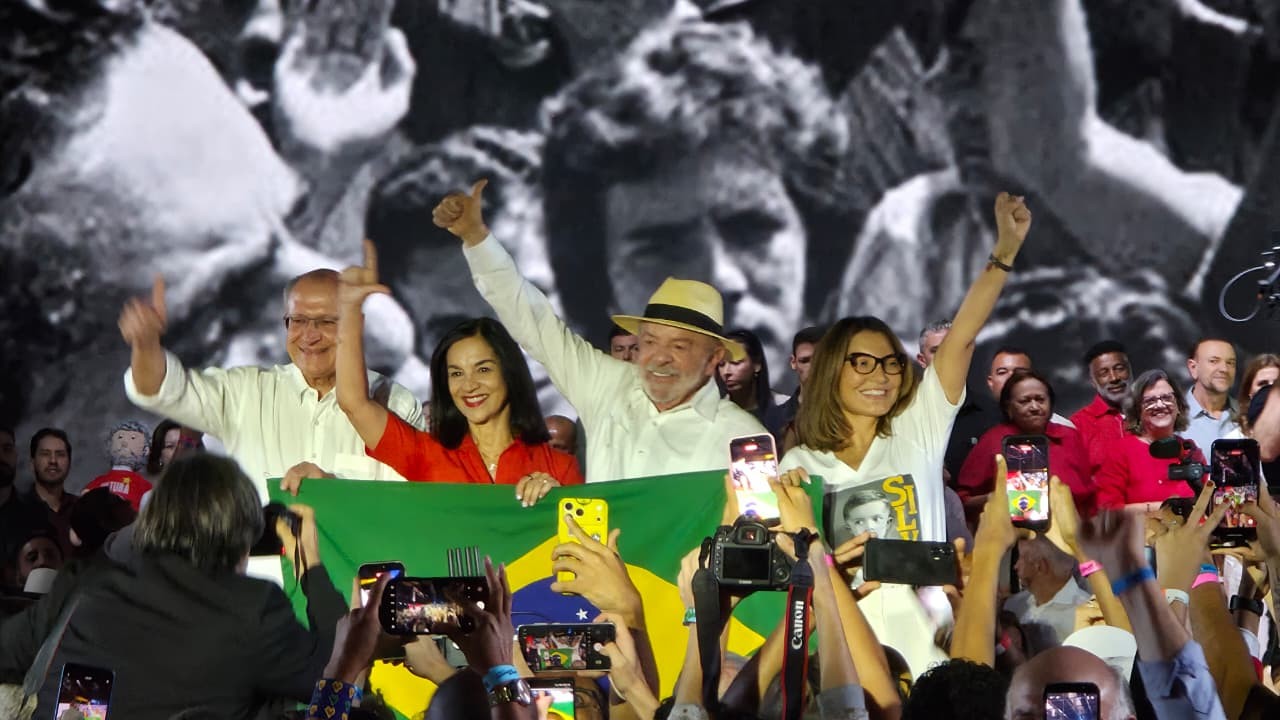
Allies of presidential candidate Luiz Inácio Lula da Silva, from the Workers' Party (PT) and allied parties, have downplayed the potential electoral impact of ongoing Federal Police (PF) investigations into Fábio Luís Lula da Silva, known as Lulinha. The PF has opened two inquiries to investigate Lulinha for alleged influence peddling related to the INSS scandal, which could constitute corruption. Federal Deputy Reginaldo Lopes (PT-MG) dismissed the investigations as a recycled electoral ploy, stating that Lulinha has been investigated "before he was born." He suggested that the corruption narrative should be a concern for the opposing campaign of Flávio Bolsonaro (PL), accusing the Bolsonaro family of involvement in a money laundering scheme that allegedly diverted R$130 million through Banco Master. PT insiders reportedly believe there is no definitive evidence of Lulinha committing any corrupt acts. Federal Deputy Orlando Silva (PCdoB-SP), a member of the CPMI of INSS, stated that while rival campaigns will exploit any investigations against PT leaders, he has seen no consistent evidence implicating Lulinha, calling the matter "straw fire." Silva anticipates a complex and challenging election, warning against underestimating the opposition's support, particularly in the Southeast and South. Federal Deputy Talíria Petrone (PSOL-RJ) believes these police investigations will not affect Lula's campaign, emphasizing Lula's commitment to allowing any necessary investigations while expressing confidence in the Brazilian people's support for democracy.
This situation highlights the strategic communication challenges faced by political campaigns when confronted with legal investigations. The framing of these inquiries as politically motivated "election inventions" or "straw fire" by Lula's allies aims to neutralize their impact on public perception. This approach contrasts with the potential for such investigations, regardless of their ultimate outcome, to influence voter sentiment by raising questions about integrity. The analysis of these events requires considering the interplay between legal processes, media narratives, and electoral dynamics, particularly in a polarized political environment. Future electoral cycles may see increased scrutiny of candidates' associations and potential conflicts of interest, driven by both public demand for transparency and the evolving capabilities of investigative bodies.
AI-generated to prompt reflection — not editorial opinion, not advice, not a statement of fact. How this works.