Lula Allies Prefer Bolsonaro Remain Under House Arrest, Not Face Revocation
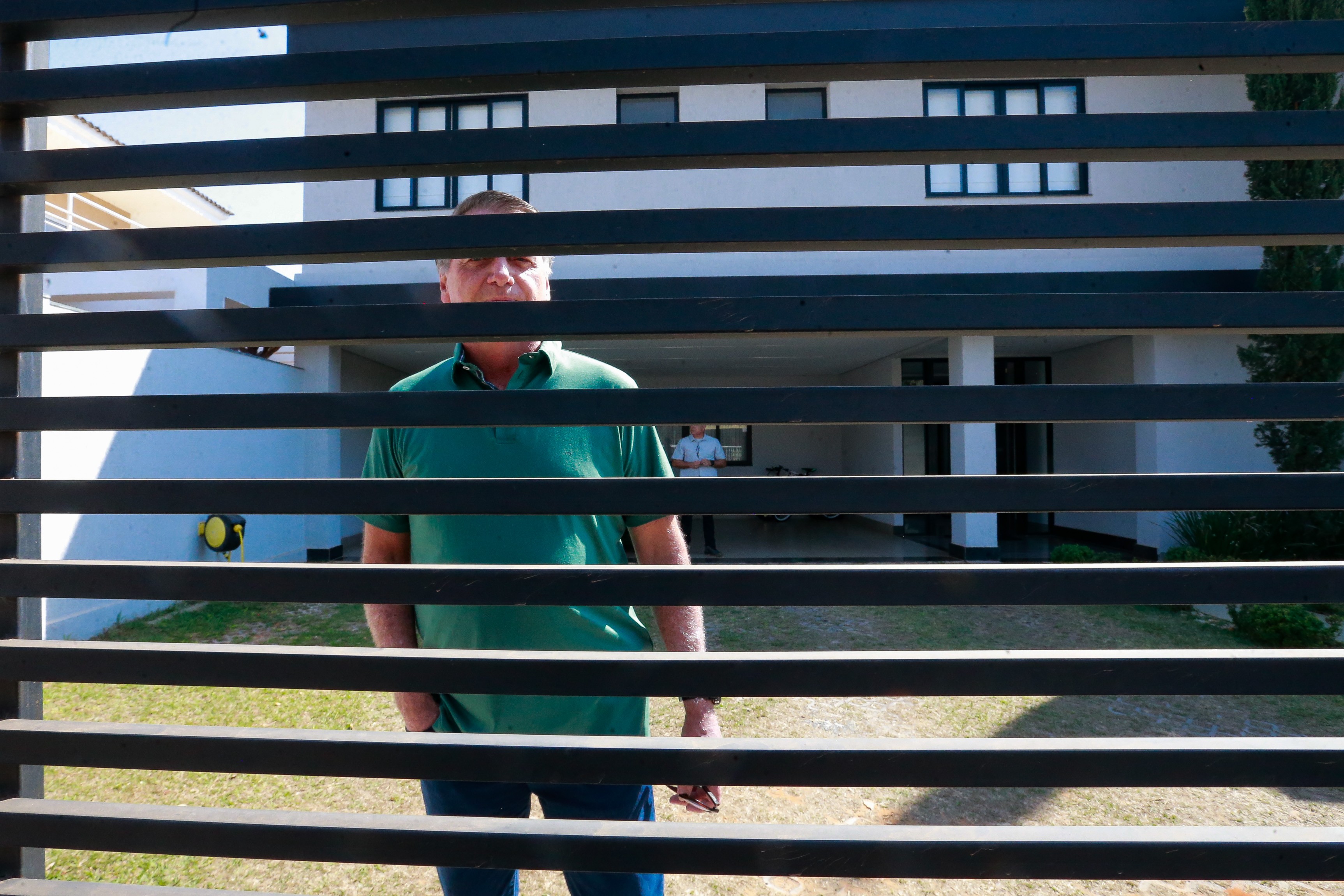
Allies of Brazilian President Luiz Inácio Lula da Silva are reportedly pleased with the decision by Supreme Court Minister Alexandre de Moraes to prohibit Senator Flávio Bolsonaro from visiting his father, former President Jair Bolsonaro, who is under house arrest. The Lula allies hope that Minister Moraes will not revoke Jair Bolsonaro's house arrest order. They believe that Bolsonaro's supporters are already leveraging the visit restriction for political gain, but would have significantly more ammunition if the house arrest itself were lifted. Such a move, they fear, would provide the opposition with ample material to exploit during the upcoming election campaign, potentially exacerbating concerns about Bolsonaro's health. The expectation within Lula's Workers' Party (PT) is that Moraes will maintain the restriction on Flávio Bolsonaro's visits, as the senator allegedly violated a prior court order by publishing a letter from his father. For Jair Bolsonaro, the PT hopes for at most a warning. Moraes' decision to block Flávio's visits followed the senator's dissemination of a letter from the former president endorsing his candidacy. This action has led to renewed accusations from Bolsonaro's allies that Moraes is engaging in political persecution, drawing parallels to Lula's activities while imprisoned in 2018, when he reportedly issued statements and directed campaign strategies for Fernando Haddad from prison. Legal experts, however, point out that Moraes' decision is technically sound, as Jair Bolsonaro is currently under house arrest with his political rights suspended, and was prohibited from using social media or having others post on his behalf. Lula, conversely, was not subject to a final conviction at the time he was issuing statements. Flávio Bolsonaro intends to appeal Moraes' ruling, arguing it is unconstitutional and silences the former president during the electoral process, a situation they contrast with Lula's case in 2018.
The situation highlights the complex interplay between legal proceedings and political maneuvering in Brazil's electoral landscape. While Minister Moraes' actions are framed by legal experts as technically justified due to Bolsonaro's suspended political rights and prior court orders, the perception of political persecution by Bolsonaro's allies underscores the deep partisan divisions. The Lula administration's apparent preference for maintaining Bolsonaro's house arrest, rather than risking a politically charged revocation, suggests a strategic calculation to manage opposition narratives. This dynamic raises questions about the potential for legal decisions to be perceived through a political lens, and the challenges of maintaining judicial impartiality amidst heightened electoral competition. Looking ahead, the continued use of legal instruments in political contests could shape public trust in institutions and influence the integrity of future democratic processes, particularly as digital communication remains a potent tool for political influence.
AI-generated to prompt reflection — not editorial opinion, not advice, not a statement of fact. How this works.