Lula: Brazil Won't Fight US or China, Will Compete Through Science Investment
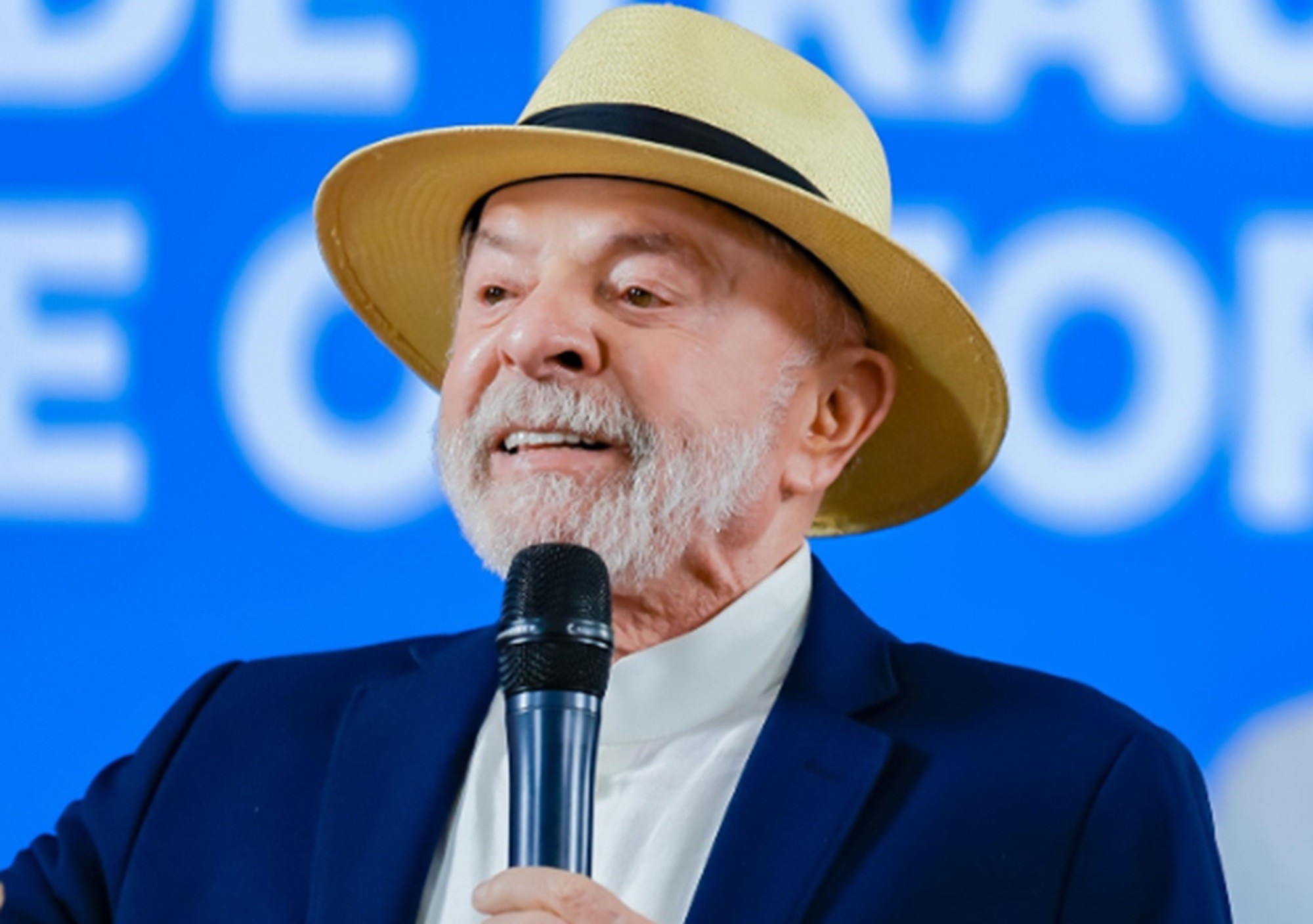
Brazilian President Luiz Inácio Lula da Silva stated on Tuesday, August 28th, that he is not "crazy" enough to engage in conflict with the United States or China. Speaking at the 78th Annual Meeting of the Brazilian Society for the Advancement of Science (SBPC) in Rio de Janeiro, Lula emphasized that Brazil lacks the military and financial power, as well as the scientific and technological knowledge, of these global powers. Instead of confrontation, he advocates for Brazil to compete by investing more in education, research, and scientific development, particularly in areas like artificial intelligence. Lula highlighted that the current global competition in AI is primarily between the US and China, and Brazil must actively participate rather than be a passive observer. He stressed the importance of developing AI that serves humanity and exploring critical minerals and rare earth elements, which are vital for the global energy transition and advanced technologies. The president also called for a strategic plan to direct young Brazilians into crucial scientific fields to enhance national competitiveness. Lula recalled that Brazil rejected a US invitation earlier this year to join an alliance for controlling the production and refining of critical minerals and rare earth elements, citing concerns about national autonomy. Brazil intends to pursue agreements on these resources with other nations. Legislation is progressing in Brazil to establish a National Policy for Critical and Strategic Minerals, including a R$5 billion tax credit fund to stimulate domestic processing and industry development, with the bill currently under Senate review.
President Lula's remarks frame Brazil's engagement with global technological competition not as a geopolitical confrontation, but as an opportunity for strategic development through scientific advancement. By positioning Brazil to compete via investment in research and education rather than military might, the administration seeks to carve out a distinct national interest. This approach acknowledges the power dynamics of AI and critical mineral resources, which are increasingly central to economic and geopolitical influence in the coming decade. The strategy implicitly navigates the complex trade-offs between aligning with major powers like the US and China and asserting national sovereignty in resource management and technological development. The focus on domestic industry development, as evidenced by proposed legislation, suggests a long-term vision to build capacity and reduce reliance on foreign control over essential materials and technologies, fostering a more independent trajectory in the evolving global landscape.
AI-generated to prompt reflection — not editorial opinion, not advice, not a statement of fact. How this works.