Lula: China's rare earth obsession, Trump's envy, and Brazil's untapped potential
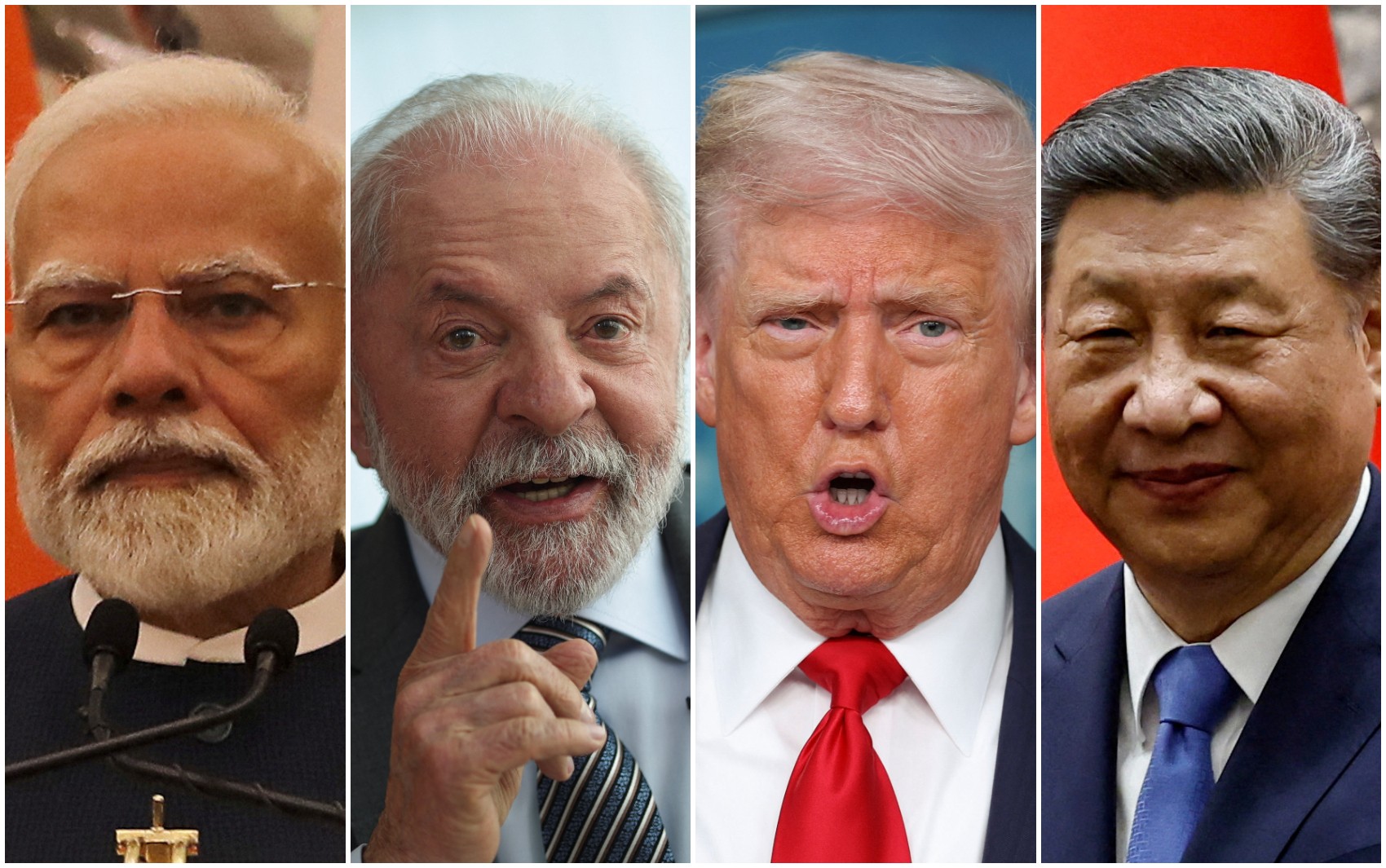
Brazilian President Luiz Inácio Lula da Silva stated on Friday, April 10th, that China is "obsessed" with monopolizing knowledge of critical minerals and rare earth elements. He also commented that U.S. President Donald Trump exhibits "envy" towards China's position. These remarks were made during a meeting with experts and ministers to discuss Brazil's mineral sector. Rare earths and critical minerals are essential components for the global energy transition and the manufacturing of advanced technologies, including electric vehicles, wind turbines, consumer electronics, and defense equipment. The conversation around mineral sovereignty has become increasingly prominent in international geopolitics, fueled by trade and technological competition between major powers like Beijing and Washington. President Lula expressed surprise at the depth of knowledge present within Brazil on this subject, stating he previously believed the country was "almost illiterate" in this area. However, he now recognizes Brazil possesses "intellectual capital and an institutional structure far superior to what I initially imagined." He was astonished by the expertise gathered, noting that much of the knowledge on critical minerals and rare earths seemed exclusively associated with China's perceived obsession and Trump's desire to acquire that knowledge. Despite Brazil's existing infrastructure and technical expertise, Lula identified the primary obstacle to achieving a leading global position in the rare earth market not as a lack of resources or scientific capability, but as a deficiency in strategic direction. He concluded that what is missing is a clear political and governmental decision outlining the nation's desired future and its proposals for Brazilian society.
The geopolitical landscape surrounding critical minerals and rare earths is intensifying, driven by their essential role in advanced technologies and the global energy transition. President Lula's remarks highlight the strategic importance nations place on controlling these resources and the associated knowledge. China's dominant position in rare earth processing creates dependencies, prompting other countries to seek diversification and greater self-sufficiency. The U.S. interest, as alluded to by Lula, reflects a broader concern among major economies about supply chain security and technological competitiveness. Brazil, with its significant mineral wealth and intellectual capital, faces a critical juncture. The challenge lies in translating potential into strategic advantage through decisive government policy and investment, balancing resource development with national interests and global market dynamics. The next decade will likely see increased competition and collaboration in this sector as nations navigate the complexities of securing future technological and energy needs.
AI-generated to prompt reflection — not editorial opinion, not advice, not a statement of fact. How this works.