Lula criticizes Trump's proposal to charge for passage through Strait of Hormuz
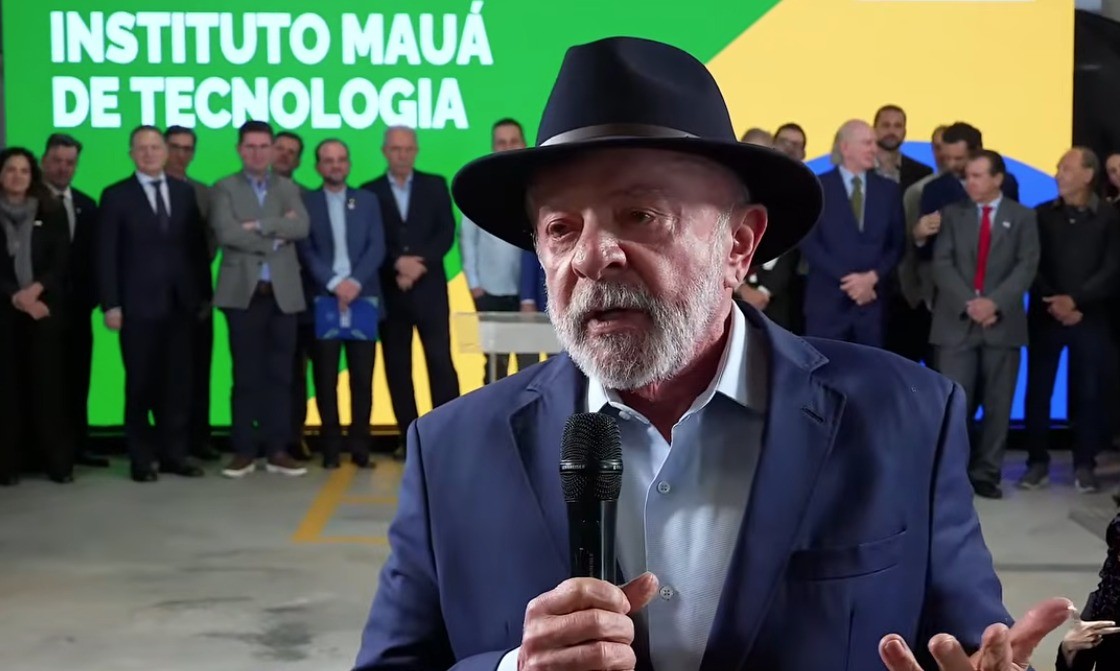
Brazilian President Luiz Inácio Lula da Silva criticized former U.S. President Donald Trump's suggestion that the United States should charge a 20% tax on cargo passing through the Strait of Hormuz if it takes control of the waterway. Lula stated on Monday, May 13th, that such an action would constitute 'piracy.' Trump had previously announced his intention for the U.S. to become the 'guardians of the strait' and be 'reimbursed' for ensuring its passage. Speaking during a visit to laboratories at the Mauá Institute of Technology in São Paulo, Lula reacted to Trump's statements, which were made in an interview with Fox News following renewed conflicts with Iran. Lula argued that charging for passage is akin to piracy, a practice that the U.S. has historically fought against. He emphasized that ensuring the security of such a vital shipping lane is a responsibility, not an opportunity for financial gain, especially when the U.S. is perceived as having initiated the conflict. The Brazilian president deemed it 'abnormal' for anyone to seek profit from a crisis, calling the idea of charging ships for passage through a waterway secured by the U.S. as 'not common, normal, or democratic.' In contrast, Lula affirmed Brazil's commitment to fair pricing for its national biodiesel production, stating that foreign buyers will only pay the just price without additional levies.
This exchange highlights differing perspectives on international security and economic responsibility. While Trump's proposal frames U.S. involvement in securing the Strait of Hormuz as a service warranting compensation, Lula frames it as a geopolitical responsibility that should not be monetized, particularly in the context of escalating international tensions. The core tension lies in whether security provision in critical global chokepoints should be treated as a public good or a revenue-generating enterprise. Future geopolitical stability may depend on establishing clear international norms and governance structures for managing such chokepoints, moving beyond unilateral claims of guardianship and associated financial demands, to ensure equitable access and prevent the weaponization of trade routes.
AI-generated to prompt reflection — not editorial opinion, not advice, not a statement of fact. How this works.