Lula da Silva Calls US Tariffs on Brazil a Strategic Mistake
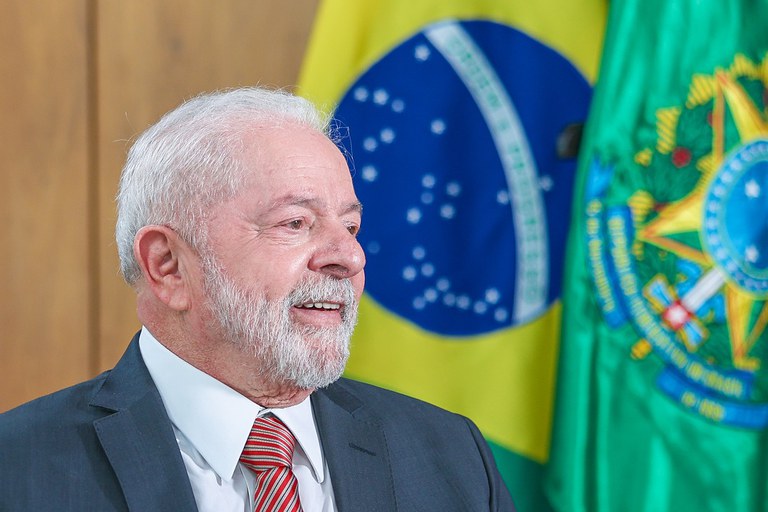
Brazilian President Luiz Inácio Lula da Silva has characterized the United States' imposition of tariffs on Brazilian goods as a strategic error. The statement from President da Silva directly addresses the recent trade policy implemented by the US administration. He articulated his concerns regarding the negative implications of these tariffs on bilateral trade relations between the two nations. The Brazilian government believes that such protectionist measures are counterproductive and do not align with the principles of free and fair trade. President da Silva emphasized that Brazil is a reliable trading partner and that these tariffs could disrupt established supply chains. He suggested that alternative approaches should be explored to address any trade imbalances or concerns. The leader of Brazil expressed hope for a resolution that would benefit both countries and foster stronger economic cooperation. This stance highlights a potential point of friction in the economic relationship between Brazil and the United States.
The imposition of tariffs by the United States on Brazilian imports represents a departure from established trade liberalization trends. From an economic governance perspective, such actions can be analyzed through the lens of national industrial policy versus international trade agreements. The strategic rationale behind tariffs often involves protecting domestic industries, but this can lead to retaliatory measures and broader geopolitical economic instability. In the context of the evolving global economy, particularly with the rise of AI and digital trade, protectionist policies may hinder innovation and competitiveness by limiting access to global markets and resources. President da Silva's characterization of the tariffs as a 'strategic mistake' suggests a concern that these measures could undermine long-term economic growth and diplomatic relations, potentially creating friction that could be resolved through multilateral dialogue and adherence to established trade dispute resolution mechanisms.
AI-generated to prompt reflection — not editorial opinion, not advice, not a statement of fact. How this works.