Lula favored for 2026 re-election, Flávio Bolsonaro's chances decline, poll finds
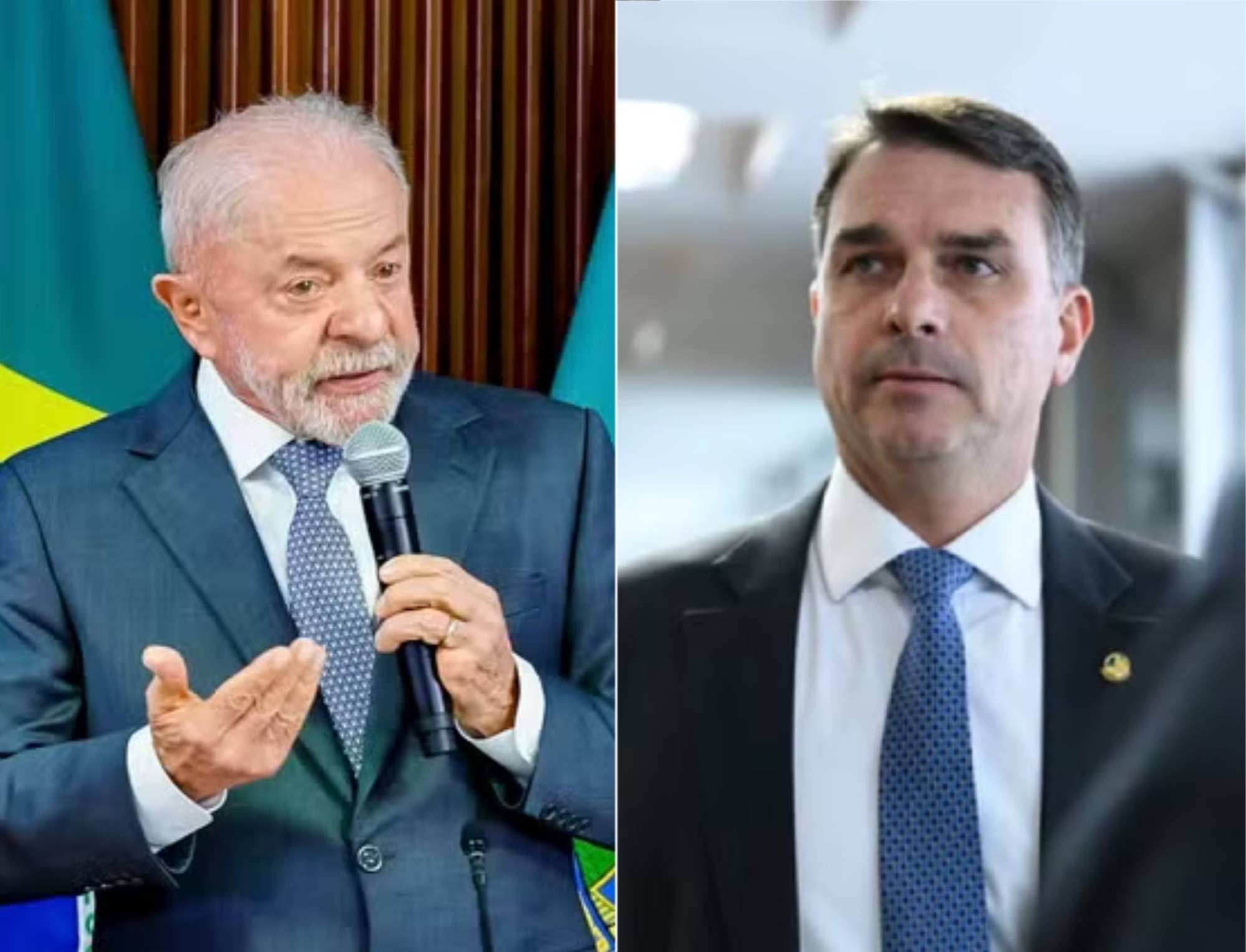
A recent Genial/Quaest poll conducted in July indicates that a majority of Brazilians believe President Luiz Inácio Lula da Silva (PT) will be re-elected in 2026. Currently, 55% of respondents expect Lula to win the presidential race, an increase from 49% in April. In contrast, the percentage of voters who anticipate a victory for Senator Flávio Bolsonaro (PL) has dropped significantly. His support fell from 32% in April to 25% in July, a decrease of 7 percentage points. The poll surveyed 2,004 Brazilians aged 16 and over between July 10-13, with a margin of error of two percentage points and a 95% confidence level. The decline in support for Flávio Bolsonaro has been observed since May, following revelations of conversations where he allegedly requested funds from a former banker, Daniel Vorcaro, to finance a film about former President Jair Bolsonaro. This film's subject matter and the associated financial dealings have been linked to Vorcaro's arrest for billion-dollar fraud. The survey also revealed shifts in perceptions among specific demographic groups. Among evangelical voters, belief in Lula's re-election rose from 37% in April to 45% in July, while belief in Bolsonaro's victory decreased from 43% to 36%. Higher-income voters also showed a shift, with support for Lula increasing from 43% to 51%, while Bolsonaro's perceived chances dropped from 42% to 30%. In the Southern region, Lula's perceived victory share rose from 33% to 50%, whereas Bolsonaro's support fell from 37% to 29%. Notably, among right-wing voters who do not identify as Bolsonaro supporters, belief in Flávio Bolsonaro's victory plummeted by 21 percentage points, from 67% in April to 46% in July, while support for Lula's re-election increased from 19% to 31% in this group.
This poll data suggests a notable shift in Brazilian political sentiment, with incumbent President Lula da Silva's re-election prospects strengthening while Senator Flávio Bolsonaro's appear to be waning. The observed decline in Bolsonaro's perceived electability, particularly among non-Bolsonarista right-wing voters and higher-income demographics, may be influenced by recent public scrutiny regarding financial dealings. Future political narratives will likely focus on how candidates navigate public trust and economic performance. The increasing polarization within specific voter segments, such as evangelicals and those in the South, indicates evolving electoral dynamics that could shape upcoming political strategies and campaign messaging, highlighting the importance of targeted outreach and issue framing in a complex political landscape.
AI-generated to prompt reflection — not editorial opinion, not advice, not a statement of fact. How this works.