Lula Government Sought Neutrality from PP-União Brasil Federation
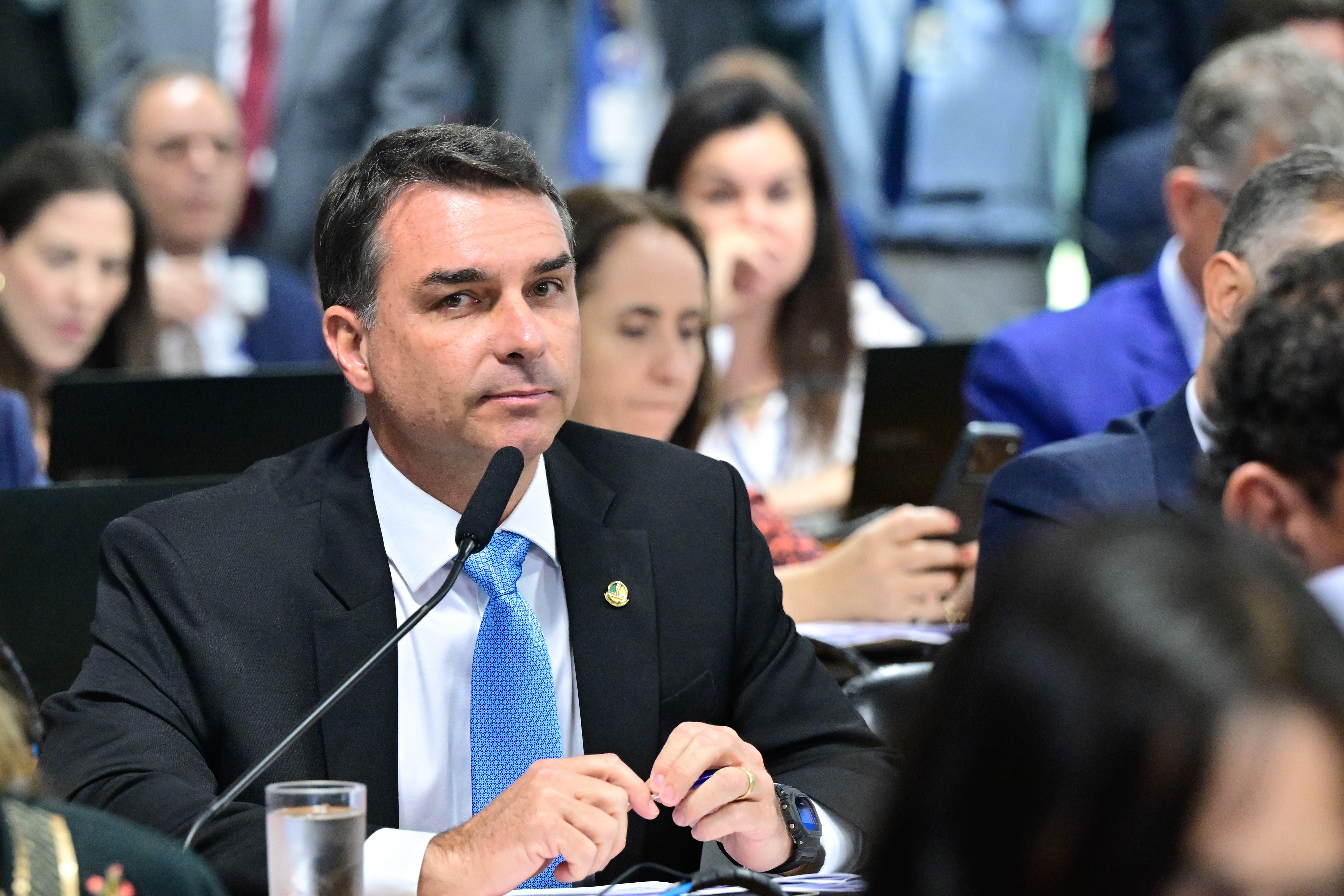
The government of President Lula actively worked to persuade the União Progressista federation, comprising the PP and União Brasil parties, to remain neutral in the presidential election, particularly avoiding an alliance with Flávio Bolsonaro. This diplomatic effort was led by Minister of Political Coordination José Guimarães and PT President Edinho Silva, with President Lula himself also engaging party leaders. Guimarães, known for his connections within the Centrão bloc, directly approached PP leader Doutor Luizinho and União Brasil leader Pedro Lucas Fernandes. Edinho Silva focused on discussions with the respective party presidents. The objective was to prevent the federation from endorsing Flávio Bolsonaro, which would have granted him significant advantages in campaign funding and media time. The federation's neutrality was also framed as beneficial for reinforcing regional political platforms supporting President Lula, especially in the Northeast. Maintaining independence allowed the PP and União Brasil to allocate their electoral funds to state-level contests, particularly for the Chamber of Deputies, where the PP holds considerable influence. This strategic move indirectly benefited Lula's campaign by redistributing broadcast time. The União-PP federation possesses the largest share of radio and TV time among political parties. By not backing a specific candidate, this media allocation is reconfigured, proportionally increasing the PT's share of electoral programming, while Flávio Bolsonaro loses valuable TV time.
The Lula administration's successful negotiation for the PP-União Brasil federation's neutrality highlights the complex interplay of political alliances and resource allocation in Brazilian elections. By securing this neutrality, the government effectively mitigated a potential boost to a rival candidate's campaign, particularly concerning media time and electoral funds. This maneuver demonstrates a sophisticated understanding of incentive structures, where maintaining independence allows smaller parties or federations to optimize their resources for regional influence and legislative power, rather than being subsumed by a national coalition. The outcome underscores the strategic importance of media access and financial resources in electoral campaigns, and how their redistribution can significantly impact a candidate's visibility and prospects. Looking ahead, such strategic negotiations will likely continue to shape the electoral landscape, emphasizing the need for transparent campaign finance regulations and equitable media access to foster a more balanced democratic process.
AI-generated to prompt reflection — not editorial opinion, not advice, not a statement of fact. How this works.