Lula highlights Transnordestina railway's potential to expand to other states
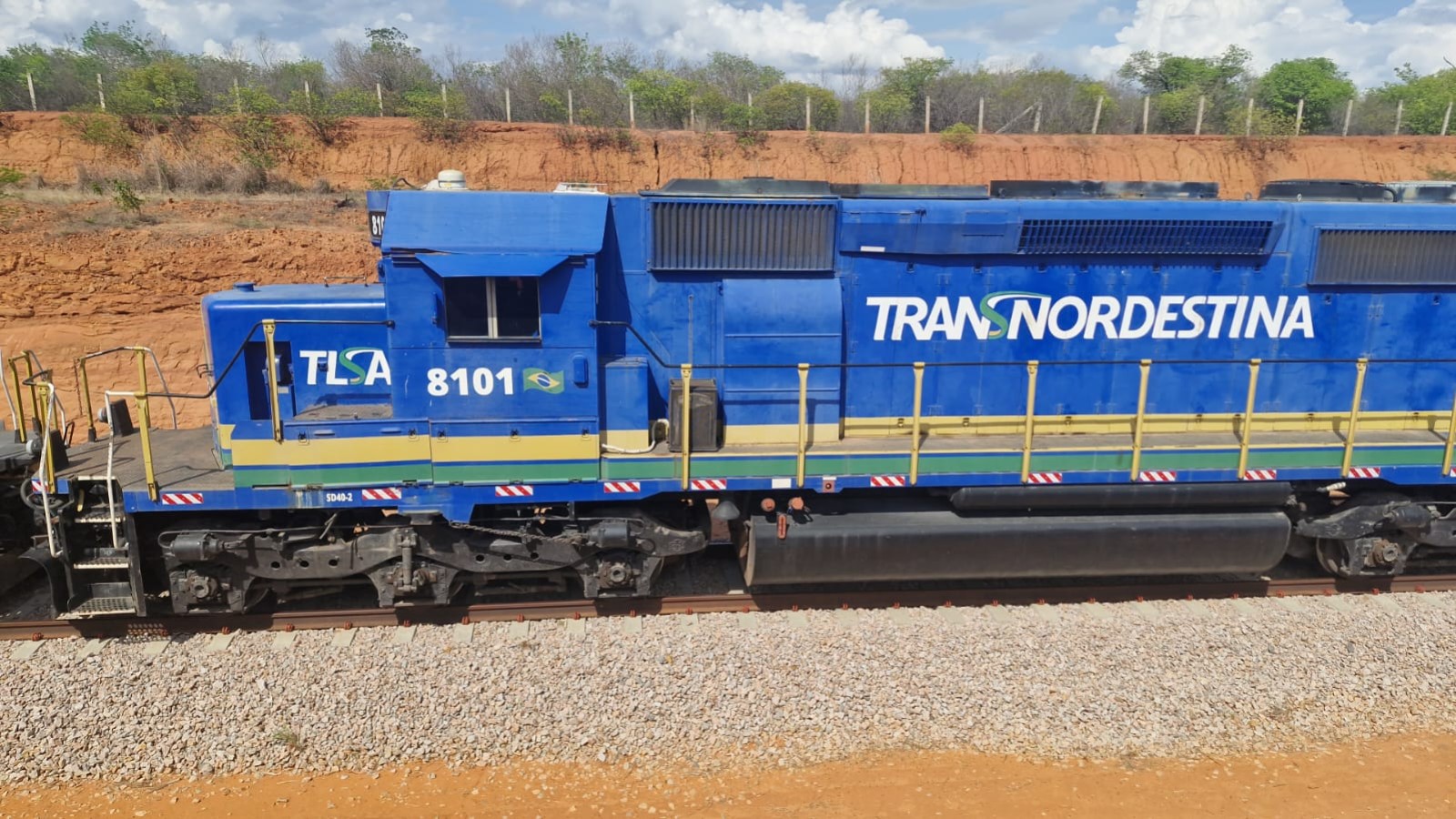
President Luiz Inácio Lula da Silva announced that other Brazilian states have expressed interest in the Transnordestina railway project. During a visit to ongoing construction in Quixeramobim, Ceará, Lula stated that successful completion of the railway could lead to its expansion to neighboring states. He specifically mentioned that Rio Grande do Norte, Paraíba, and Alagoas have shown interest in extending the project to their regions. The President also attended the inauguration of two new sections of the railway, totaling 102 kilometers, connecting Quixeramobim to Iguatu in Ceará. This marks the third visit by Lula to Ceará in his current term to inspect or inaugurate parts of the Transnordestina. The railway, initially launched 20 years ago, aims to connect Eliseu Martins in Piauí to the Port of Pecém in Ceará, also traversing western Pernambuco. The project, originally slated for completion in 2010, has faced significant delays and cost overruns. The federal government plans to invest an additional R$600 million in the Ceará section this year. CSN, the parent company of Transnordestina Logística (TLSA), has committed to delivering another 120 kilometers of track by 2026. The project is now projected to be completed in phases, with Phase 1 (Piauí to Ceará) expected by December 2027, and Phase 2 (within Piauí) by the second half of 2028. Phase 3 (in Pernambuco) remains without a completion forecast, as TLSA relinquished its concession for this segment. The total length of the railway has been reduced from an initial 1,753 kilometers to approximately 1,206 kilometers, and the estimated cost has risen from R$4.5 billion to R$15 billion.
The Transnordestina railway project exemplifies the challenges of large-scale infrastructure development in Brazil, marked by significant delays and cost escalations over two decades. The current administration's renewed focus and investment, coupled with interest from other states, suggest a strategic effort to leverage the railway for broader regional economic integration. However, the project's history highlights systemic issues in long-term planning, execution, and inter-state coordination. The reduction in planned track length and the abandonment of a major segment indicate potential shifts in economic priorities or feasibility assessments. Future success will likely depend on robust governance, transparent financial management, and sustained political will to overcome historical hurdles and adapt to evolving regional development needs.
AI-generated to prompt reflection — not editorial opinion, not advice, not a statement of fact. How this works.