Lula laments Alvorada Palace's impracticality for daily living
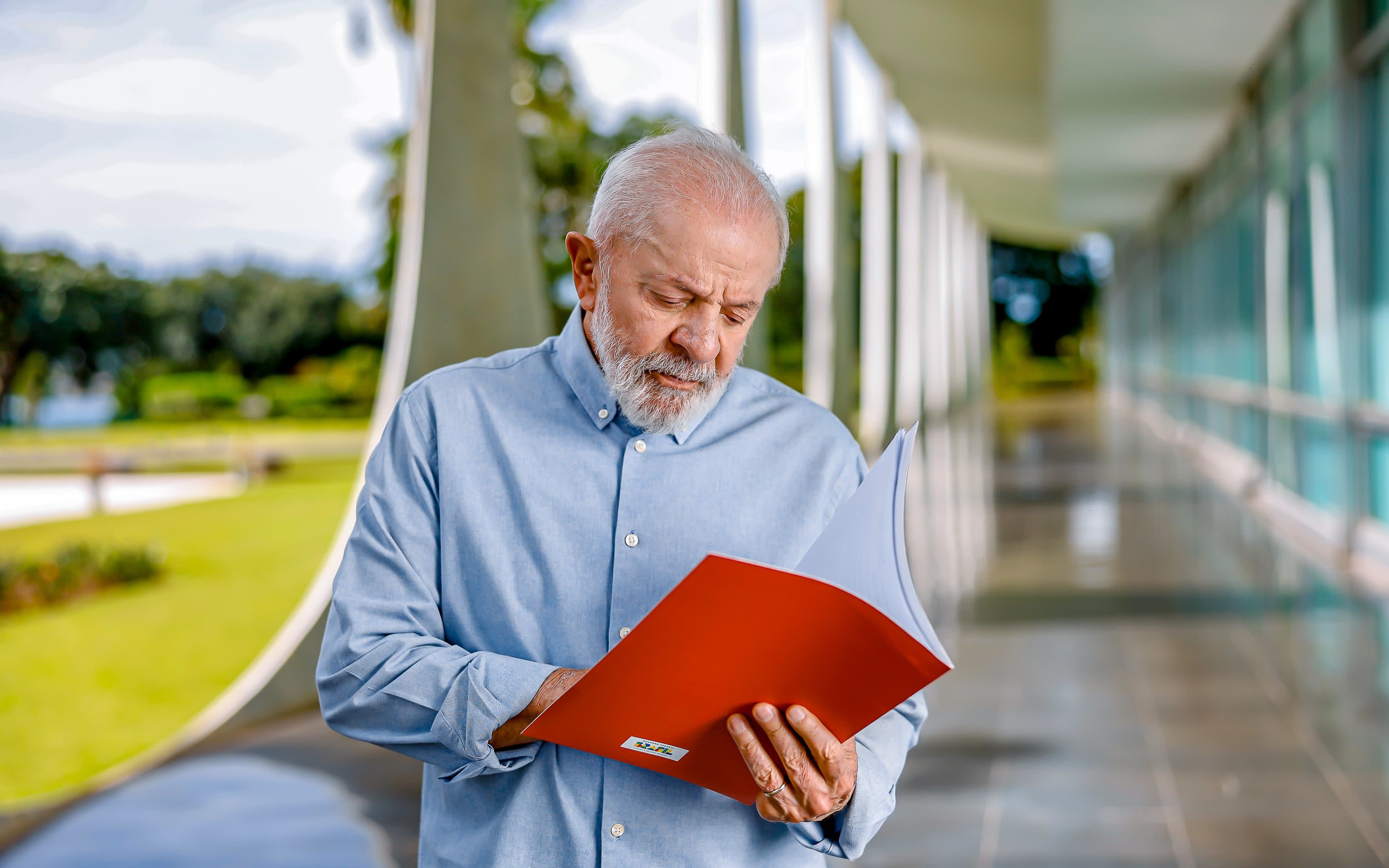
During an interview on Thursday, May 30th, Brazilian President Luiz Inácio Lula da Silva commented on the vastness of the Palácio da Alvorada, the official presidential residence, describing its separate environments as "distant from each other." He stated that while the palace is beautiful for photographs, its size makes daily living "inhumane," particularly for presidents who are older and have grown children. Lula explained that the eight rooms are spread out, with the kitchen on one end and bedrooms on the other, leading to practical issues like coffee arriving cold and beer arriving warm. He also noted that fetching snacks from a distant area would be tiring. The president made these remarks during an interview for the podcast "Inteligência Ltda." The interview also touched upon his son, Fábio Luís Lula da Silva, known as Lulinha. This same Thursday, Supreme Federal Court (STF) Minister André Mendonça authorized an inquiry into allegations that Lulinha engaged in influence peddling and corruption while attempting to benefit lobbyist Antônio Carlos Camilo Antunes in dealings with the Ministry of Health. President Lula asserted that if his son is investigated, he will not hide and will be treated like any other citizen, without privilege. He emphasized that he would never ask a judge to avoid doing their job and that his son knows the consequences of wrongdoing, referencing his own past experiences with public accusations and the toll it took on his wife. Lula stated that his son has no right to err and, if judged, will have to prove his innocence and face the consequences if found guilty. The president also reiterated his stance on former US President Donald Trump and potential interference in Brazilian elections, expressing confidence that lies will not prevail in Brazil and that he is not concerned about US interference, recalling a positive relationship with Trump during a White House meeting.
President Lula's candid remarks about the Palácio da Alvorada highlight a recurring tension between the symbolic grandeur of official residences and their functional suitability for modern executive leadership. The logistical challenges described, such as food and beverages arriving at suboptimal temperatures due to vast distances, underscore how architectural design can inadvertently impede operational efficiency and personal comfort. This situation invites consideration of how governmental infrastructure is designed and maintained, prompting questions about resource allocation and the prioritization of aesthetics over practicality in state buildings. Furthermore, the president's firm stance on his son's potential legal proceedings, emphasizing equal treatment under the law and personal accountability, reflects a commitment to upholding judicial integrity. This position, while personally resonant given his own history, also serves to reinforce public trust in the impartiality of the legal system, regardless of familial connections. The juxtaposition of these personal and functional observations within the same interview offers a nuanced view of presidential life, balancing the demands of public duty with the realities of personal experience.
AI-generated to prompt reflection — not editorial opinion, not advice, not a statement of fact. How this works.