Lula's Paraguay War Comment Sparks Diplomatic Crisis and Historical Debate
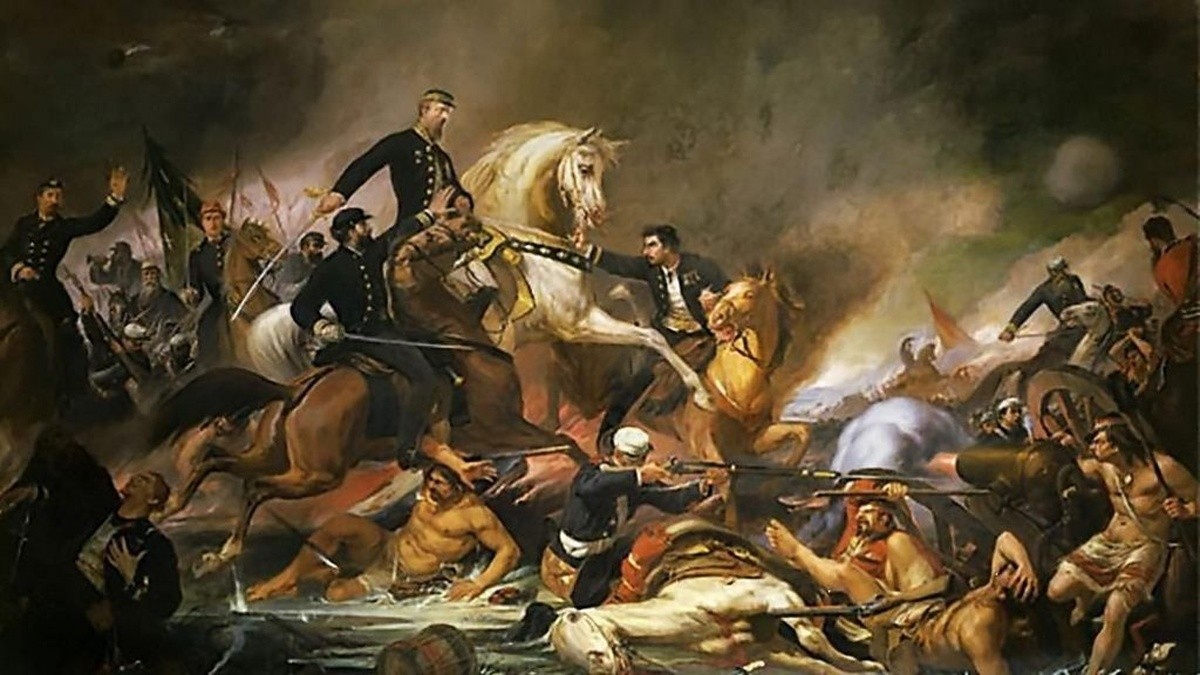
Brazilian President Luiz Inácio Lula da Silva's recent statement that "one fine day Paraguay decided to invade Brazil" has ignited a diplomatic crisis between Brazil and Paraguay. The comment, made during an event in São Paulo on Friday, May 24th, was interpreted by Paraguayan authorities as a simplistic portrayal of the causes of the War of the Triple Alliance. In response, Paraguay's government summoned the Brazilian ambassador to Asunción on Thursday, May 30th, for explanations, and the Paraguayan Congress passed resolutions of repudiation. This incident has revived a sensitive historical debate about the war's origins and conduct, which concluded over 160 years ago. The War of the Triple Alliance, from December 1864 to March 1870, pitted Paraguay against Brazil, Argentina, and Uruguay. The conflict was devastating for Paraguay, with estimates suggesting its population, initially around 400,000, was reduced to less than 190,000, with a significant loss of its male population. For decades, a popular narrative in Brazil, particularly during the military dictatorship, suggested that Great Britain financed and instigated the war to prevent Paraguay's industrial development and maintain regional influence. However, historians like Francisco Doratioto challenge this view, citing a lack of documentary evidence to support British involvement. Doratioto and other scholars, including the late Ricardo Salles and Moniz Bandeira, have conducted extensive research, utilizing documents from all involved nations, to present a more nuanced understanding of the conflict's causes. Doratioto specifically critiques the work of journalist Júlio José Chiavenato, whose 1979 book "Genocídio Americano: A Guerra do Paraguai" popularized the anti-imperialist interpretation, suggesting it contained methodological errors and was driven by emotion rather than rigorous historical analysis. He also debunks specific claims, such as Marshal Caxias ordering cholera-infected bodies to be thrown into the Paraguay River to contaminate enemy troops, pointing out geographical impossibilities and standard military practices of the time.
President Lula's remarks, while seemingly a casual historical allusion, have inadvertently highlighted the enduring sensitivity surrounding the War of the Paraguay and the differing national interpretations of its origins and consequences. The incident underscores how historical narratives, particularly those shaped during periods of political upheaval like Brazil's military dictatorship, can become entrenched and influence contemporary diplomatic relations. The debate between a simplified, potentially nationalistic interpretation and a more complex, evidence-based historical account reflects broader challenges in reconciling national identity with objective historical scholarship. As nations navigate their pasts, the imperative is to foster an understanding that acknowledges the multifaceted causes and devastating human costs of such conflicts, moving beyond narratives that may serve political agendas to embrace a more complete and universally accepted historical record. This process is crucial for building trust and fostering genuine reconciliation in the present day.
AI-generated to prompt reflection — not editorial opinion, not advice, not a statement of fact. How this works.