Lula's Past Prison Communications vs. Bolsonaro's Current Restrictions: A Legal Distinction
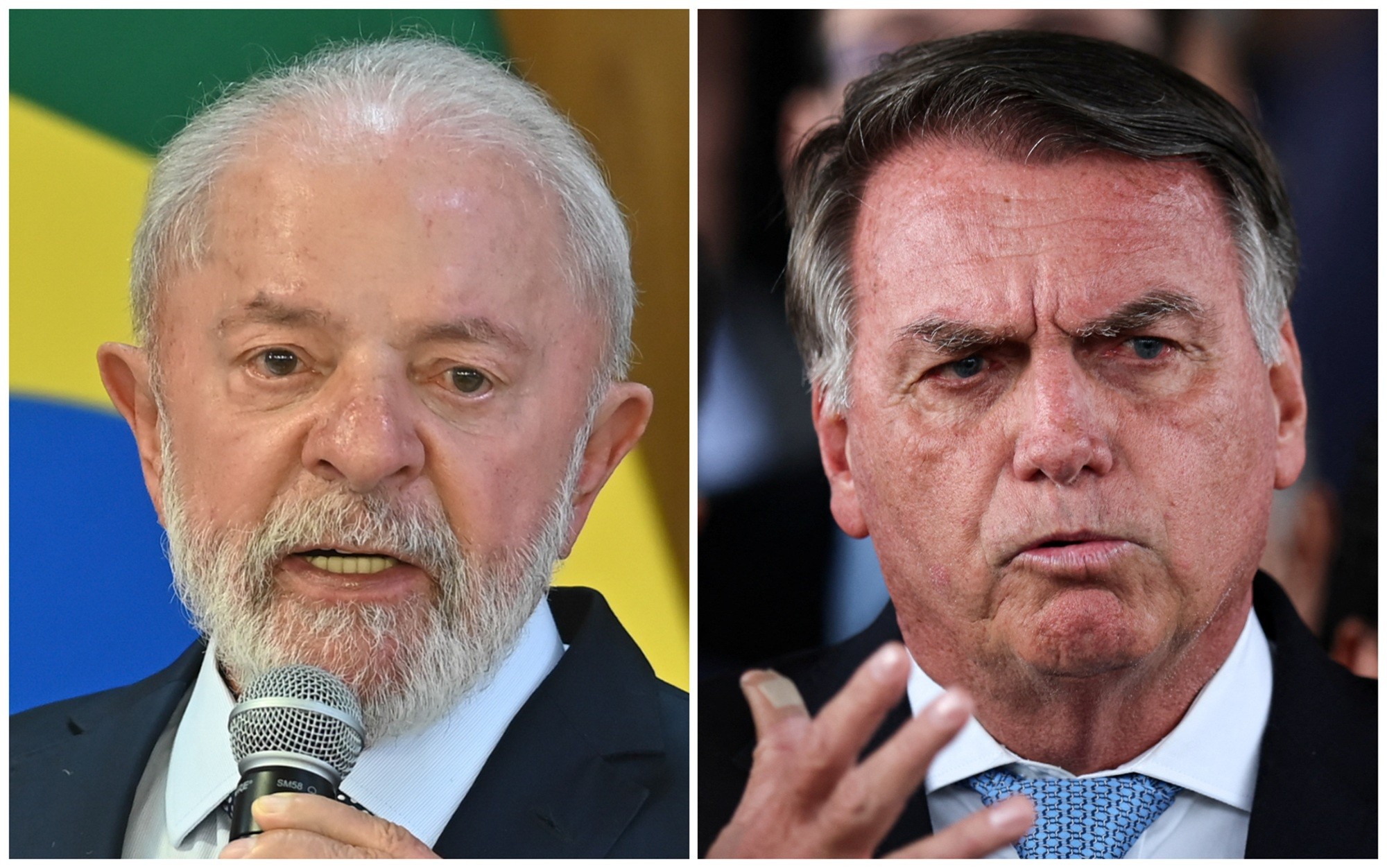
A recent decision by Supreme Federal Court (STF) Minister Alexandre de Moraes, prohibiting Senator Flávio Bolsonaro from visiting his father, former President Jair Bolsonaro, has sparked comparisons to the period when President Luiz Inácio Lula da Silva was imprisoned from 2018 to 2019. Allies of Bolsonaro have claimed he is receiving different treatment than Lula, who, while detained in Curitiba, received visitors and disseminated letters. However, Lula's former defense lawyer, Manoel Caetano Ferreira, asserts that the situations are legally distinct. Ferreira explained that Lula was not subject to a judicial order restricting his communication with the outside world, and that imprisonment itself does not inherently revoke a person's right to communicate. He stated that Bolsonaro's case involves the alleged violation of precautionary measures. Both Lula and Bolsonaro issued politically charged letters while deprived of liberty. In September 2018, Lula announced Fernando Haddad as his presidential replacement and urged votes for him. In July 2026, Bolsonaro wrote a letter supporting his son Flávio's presidential candidacy and encouraging supporters to rally behind him. This letter was read by Flávio during a social media broadcast, after which Moraes prohibited Flávio from visiting his father. Ferreira emphasized that the key difference lies not in the letters' content but in the individuals' legal standing. Bolsonaro faces accusations of obstruction of justice, coercion, and attempted bribery, leading the Federal Police to request precautionary measures, which were subsequently approved. These measures prohibit Bolsonaro from using social media, directly or indirectly, to prevent the repetition of alleged criminal conduct during the ongoing legal proceedings. The restrictions imposed on Bolsonaro include wearing an electronic ankle monitor, home confinement during weekdays and full-time on weekends and holidays, and prohibitions on contacting foreign embassies, consulates, ambassadors, foreign authorities, other investigated individuals, and defendants in related cases. Searches of Bolsonaro's properties for electronic devices and documents were also authorized.
The differing legal frameworks surrounding Lula's past imprisonment and Jair Bolsonaro's current house arrest highlight how judicial restrictions can evolve. While imprisonment generally permits communication, specific judicial orders can curtail it, particularly when linked to ongoing investigations into alleged obstruction of justice. The comparison of public statements made from detention underscores the importance of the specific legal context and the nature of imposed measures. Future legal interpretations may further refine the balance between an individual's right to communicate and the state's interest in ensuring the integrity of judicial processes, especially in high-profile cases involving former heads of state. This situation prompts reflection on how digital communication channels are managed within legal constraints.
AI-generated to prompt reflection — not editorial opinion, not advice, not a statement of fact. How this works.