Lula's Political Journey: From Migrant to Potential 16-Year Brazilian President
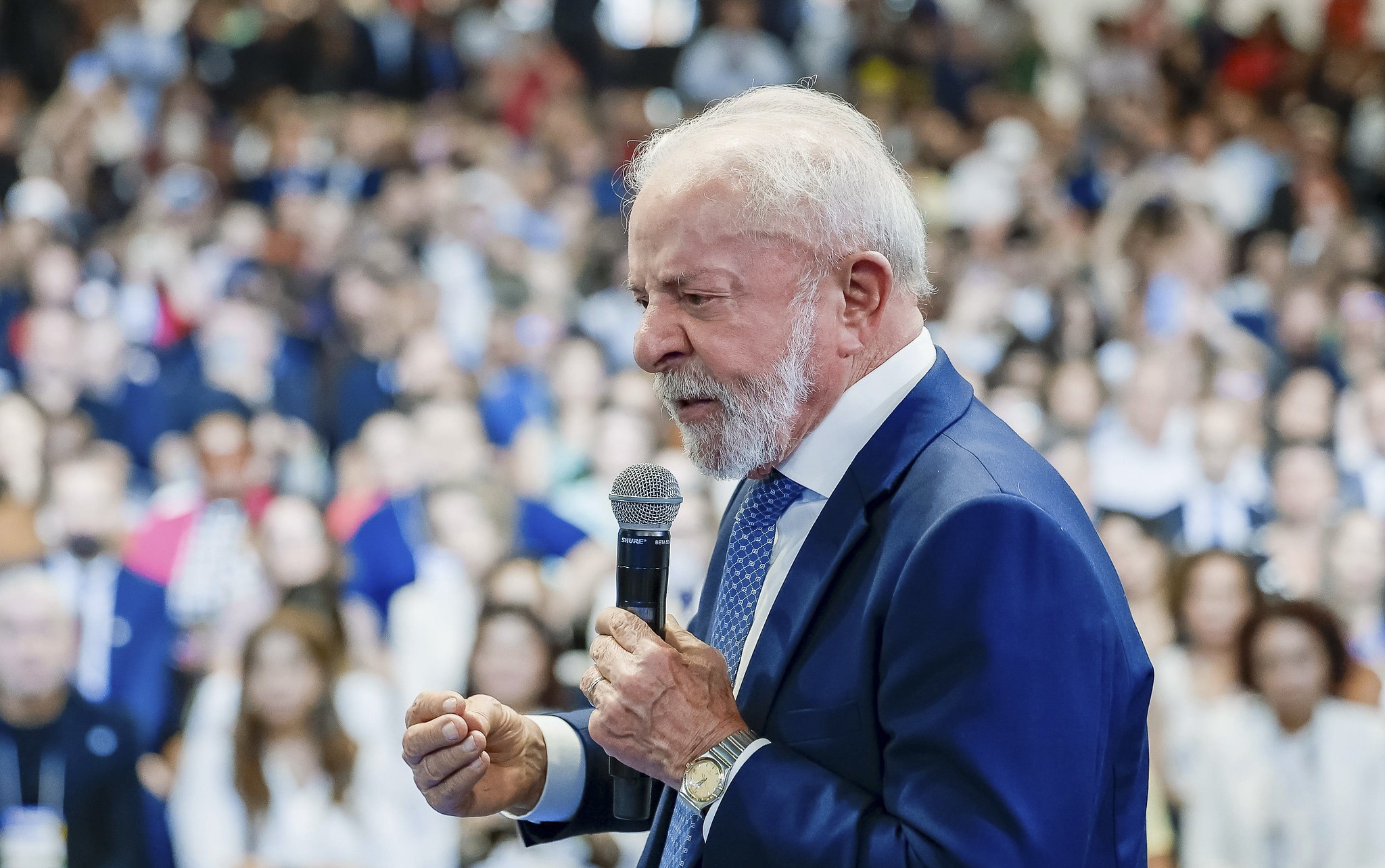
Luiz Inácio Lula da Silva, an 81-year-old political figure and founder of the Workers' Party (PT), has been officially nominated for his fourth presidential term in Brazil. Born in Garanhuns, Pernambuco, in 1945, Lula migrated to São Paulo with his mother and siblings at age seven. He worked various jobs before becoming a mechanic and entering the metalworking industry, which led him to trade union activism. Lula's political career began in earnest with his leadership of major strikes in the late 1970s, advocating for workers' rights and the country's return to democracy. This activism culminated in the founding of the PT in 1980. He has been elected president three times previously: in 2002, 2006, and 2022. If re-elected, he would serve a total of 16 years, second only to Getúlio Vargas's 18 years in office. His current vice president, Geraldo Alckmin, has been confirmed to run again on Lula's ticket. Lula's personal life includes his marriage to sociologist Janja da Silva and five children from previous marriages. He has faced significant health challenges throughout his presidencies, including hip surgery, a fall, labyrinthitis, and past treatments for laryngeal cancer and scalp lesions. His third term saw the re-establishment of ministries like Culture and the creation of new ones, alongside navigating crises such as INSS fraud and investigations into his son's alleged influence peddling. Economically, his government has seen the approval of tax reform, an increase in income tax exemptions, and the country's exit from the Hunger Map, alongside expanded housing and income transfer programs. Lula also contended with international conflicts and U.S. trade policies, facing criticism for public spending and remarks about the Central Bank. His administration has also experienced legislative setbacks, including defeats in Congress and the rejection of a Supreme Court nominee.
Luiz Inácio Lula da Silva's enduring political presence highlights the complex interplay of social mobility, labor movements, and electoral strategy in Brazil. His potential to serve 16 years as president underscores the long-term impact of foundational policies and the persistent appeal of his narrative to a significant portion of the electorate. The challenges faced by his administration, including economic pressures, legislative hurdles, and public scrutiny of family members, reflect the inherent governance difficulties in managing a large, diverse nation. Looking ahead, the sustainability of social programs and economic growth will be critical factors in shaping Brazil's trajectory over the next decade, particularly as the country navigates technological shifts and global economic uncertainties. Lula's ability to foster consensus and adapt policy frameworks will be key to addressing these future challenges.
AI-generated to prompt reflection — not editorial opinion, not advice, not a statement of fact. How this works.