Lula's statement on healthcare cost falsely edited to claim he supports 'pay-to-play' system
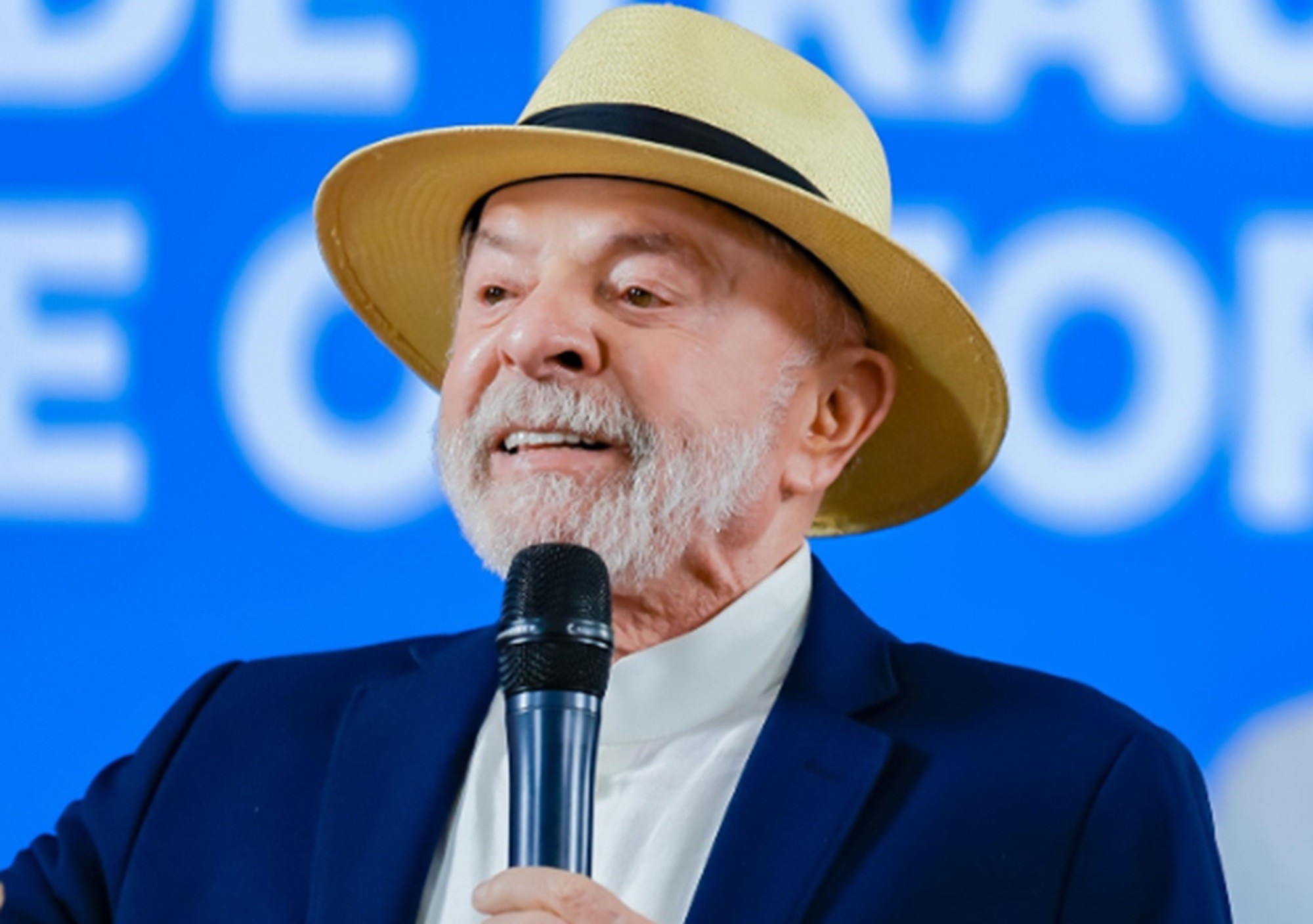
Online posts circulating since July 18 on platforms like Facebook, TikTok, and Instagram falsely claim that Brazilian President Lula stated, 'Healthcare is for those who can pay, and those who cannot should die in oblivion.' These posts utilize a video clip of Lula, but the footage has been edited and taken out of context. The original, unedited speech was delivered by President Lula on July 17 during a visit to the National Institute of Traumatology and Orthopedics (Into) in Rio de Janeiro. The full broadcast, available on the president's official YouTube channel, reveals that Lula was actually defending the Universal Health System (SUS). He shared a personal anecdote about waiting over four hours for medical attention, illustrating the disparity in how the poor and rich are treated due to the influence of money in healthcare. He then explicitly contrasted this with the creation of SUS in the 1988 Constitution, which aimed to prove the state's capability to provide universal healthcare. The edited version omits these crucial statements in defense of SUS, presenting a distorted message. The fact-checking process involved analyzing video frames and performing a reverse image search, which led to the official broadcast. The Secretariat of Social Communication of the Presidency of the Republic confirmed the content is false, stating the declaration was taken out of context to misinform the public and weaken institutions.
This incident highlights the persistent challenge of digital misinformation, particularly when manipulating political discourse. The selective editing of President Lula's remarks demonstrates a tactic to weaponize his personal experiences and policy advocacy for the SUS. By isolating a phrase and removing its context of defending universal healthcare access, the fabricated narrative aims to undermine public trust in government-provided services and sow division. Such decontextualization exploits existing societal anxieties about healthcare affordability and access, framing a champion of public health as an advocate for a privatized, inequitable system. The analysis of such events underscores the critical need for media literacy and robust fact-checking mechanisms to counter narratives designed to polarize and misinform, especially concerning foundational public services like healthcare.
AI-generated to prompt reflection — not editorial opinion, not advice, not a statement of fact. How this works.