Lululemon Faces Scrutiny in China as Brand Image Falters
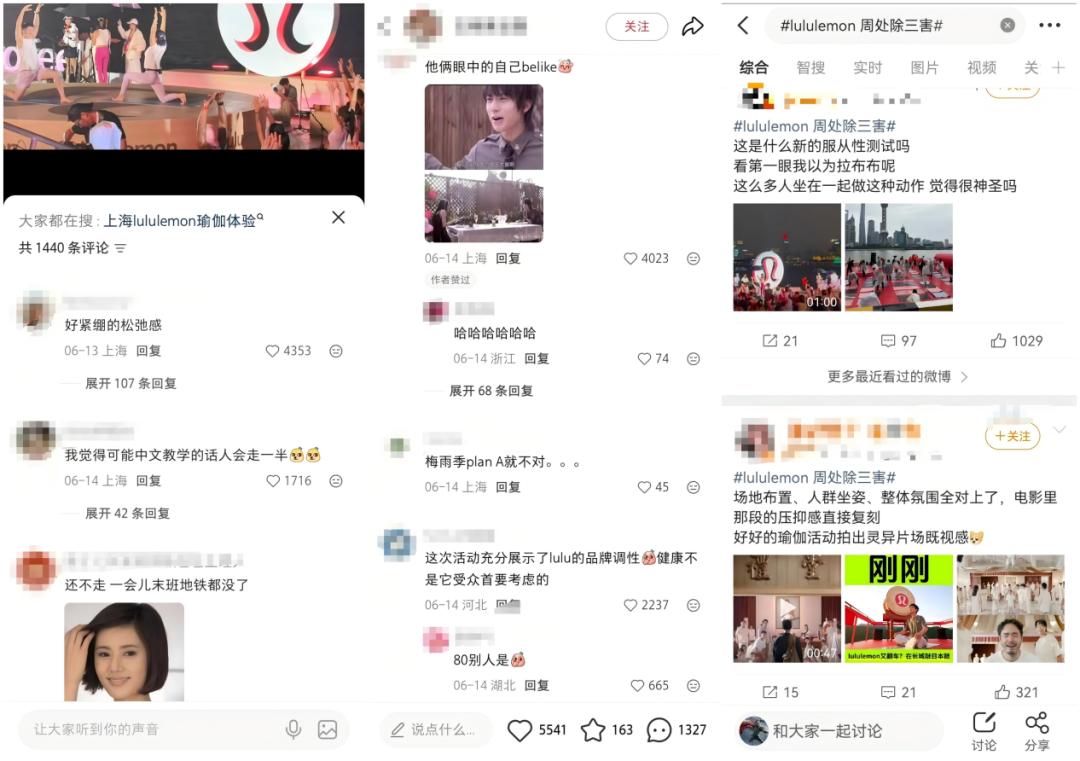
Lululemon is facing increased scrutiny in the Chinese market, with recent events sparking criticism and impacting its brand perception. An outdoor yoga event in Shanghai was criticized for continuing during heavy rain, with participants performing on slippery mats. Social media users likened the scene to cult-like behavior, a comparison that is particularly damaging given Lululemon's history of 'religious-like' community marketing. The brand refers to its store employees as 'Educators,' a concept originating from founder Chip Wilson's vision of staff as disseminators of product technology and lifestyle philosophy rather than mere salespeople. This approach has historically fostered a sense of identity and conversion among consumers, but the rain event has created a crack in consumer belief. This incident follows other controversies, including the 'Great Wall drum' incident and ongoing 'fabric-gate' issues abroad, which have contributed to a significant stock price decline. Since the start of 2026, Lululemon's stock has fallen over 43%, and 77% from its late 2023 peak.
Lululemon's current challenges in China, marked by public criticism of its community events and a broader decline in brand perception, highlight a critical shift in consumer sentiment. The brand's 'religious-like' marketing, once a powerful differentiator, now appears to be a vulnerability when perceived as out of touch with consumer well-being or safety, as seen in the Shanghai yoga event incident. This suggests a growing disconnect between Lululemon's premium positioning and the practical expectations of its evolving customer base. As the company navigates a global economic downturn, the sustainability of its high-price, high-community model is being tested. Future success may depend on Lululemon's ability to adapt its marketing and product strategies to resonate with contemporary consumer values, balancing its aspirational image with genuine utility and cultural relevance, especially in diverse markets like China and India.
AI-generated to prompt reflection — not editorial opinion, not advice, not a statement of fact. How this works.