Lumbini Province Government Restructures Ministries, Reducing Number
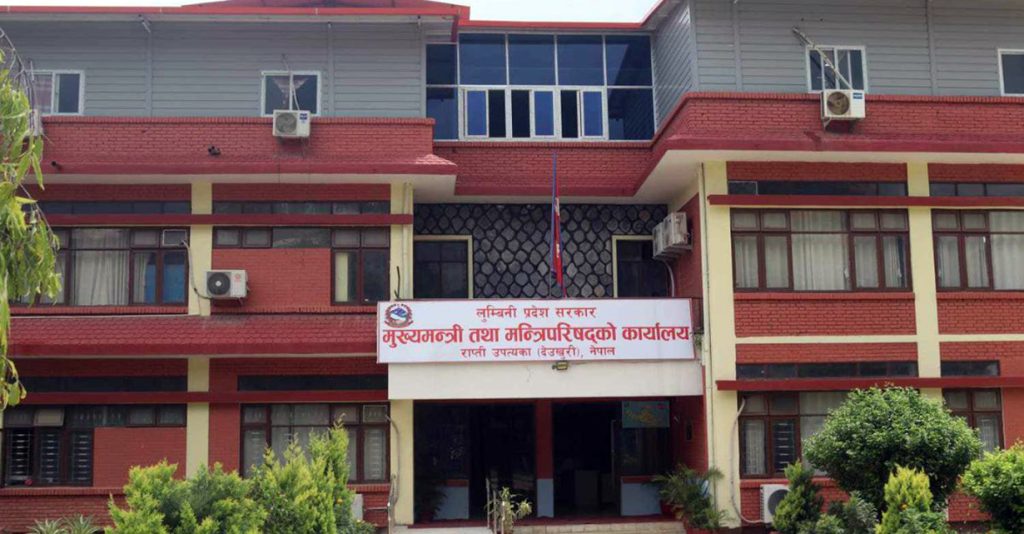
The Lumbini Province government in Nepal has restructured its ministries to enhance operational efficiency. A provincial cabinet meeting, chaired by Chief Minister Chet Narayan Acharya, approved the 'Provincial Government (Work Division) Regulations, 2083'. This regulation reduces the number of ministries to eight, excluding the Chief Minister and Council of Ministers' Office. Previously, the province operated with twelve ministries. Physical Infrastructure Development Minister Ratna Bahadur Khatri confirmed the reduction, aiming for more effective performance. The reorganization is part of an effort to streamline governance and resource allocation within the province. Further details on the specific ministries to be abolished or merged are expected to be released following the implementation of the new regulations. This move signifies a strategic shift towards a more compact and potentially more agile administrative structure in Lumbini Province.
The restructuring of ministries in Lumbini Province reflects a common governmental response to perceived inefficiencies or a desire to consolidate administrative functions. By reducing the number of ministries from twelve to eight, the government aims to streamline decision-making processes and potentially reduce operational costs. This move could lead to greater inter-ministerial coordination and a more focused approach to policy implementation. However, the success of this reorganization will depend on how effectively the remaining ministries are empowered and how well their mandates are integrated to avoid functional gaps or overlaps. The long-term impact will also be shaped by the political will to maintain this leaner structure amidst future pressures for expansion or departmentalization.
AI-generated to prompt reflection — not editorial opinion, not advice, not a statement of fact. How this works.