Lunar Eclipse on Raksha Bandhan: Will Sutak Kal Apply in India?
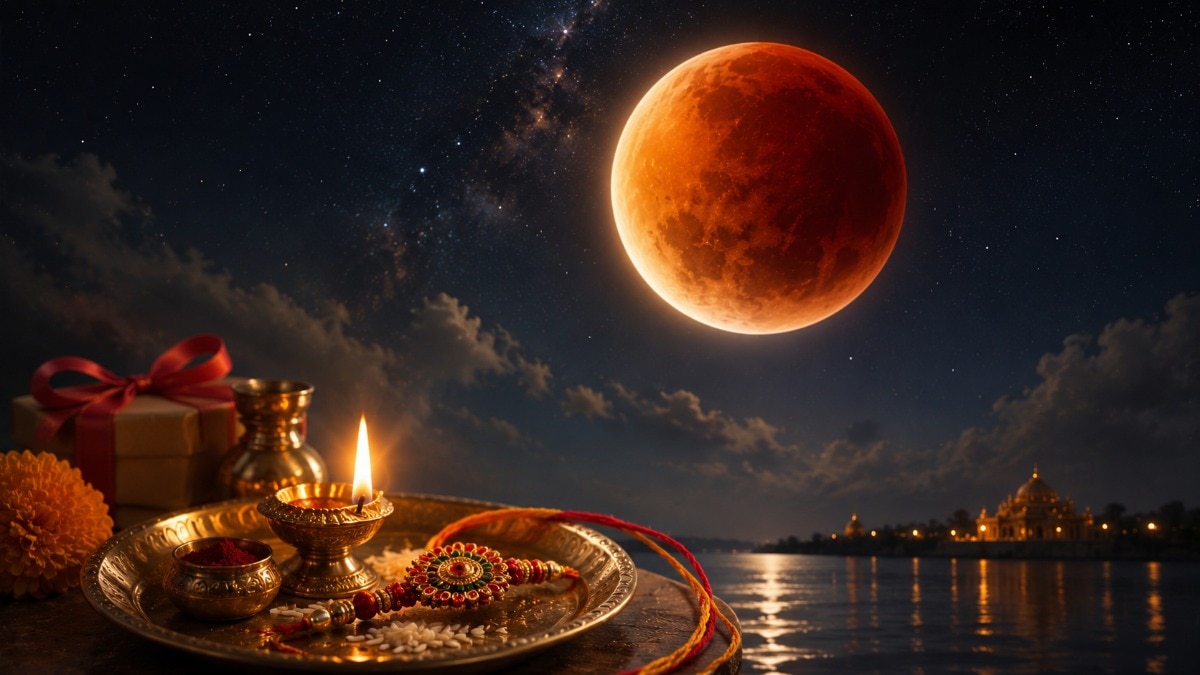
This year, on August 28th, the second lunar eclipse of the year is set to occur on the auspicious occasion of Raksha Bandhan. This eclipse, which will last for over 5 hours, has caused apprehension among siblings. The article addresses concerns about whether the Sutak Kal (inauspicious period) for this lunar eclipse will be observed in India. It also aims to provide guidance on the most auspicious time for tying Rakhi and details the rules pertaining to Bhadrakal (another inauspicious period). The timing and implications of the eclipse are of significant interest due to its occurrence on a major cultural festival.
The convergence of a significant celestial event like a lunar eclipse with a cherished cultural festival such as Raksha Bandhan highlights the intersection of astronomical phenomena and societal traditions. While astronomical events are governed by predictable physical laws, their interpretation within cultural frameworks often involves considerations of auspiciousness and inauspiciousness, such as Sutak Kal and Bhadrakal. This dynamic reflects a human tendency to seek meaning and guidance in natural occurrences, particularly when they coincide with important life events. The public's interest underscores the enduring influence of astrological beliefs and traditional calendars in shaping perceptions of time and ritual, even in a rapidly modernizing society. Understanding these cultural interpretations alongside scientific data provides a more complete picture of how societies engage with both the cosmos and their own heritage.
AI-generated to prompt reflection — not editorial opinion, not advice, not a statement of fact. How this works.