Lunar Samples Offer Clues to Earth's Ancient Biosphere, Astrobiologist Finds
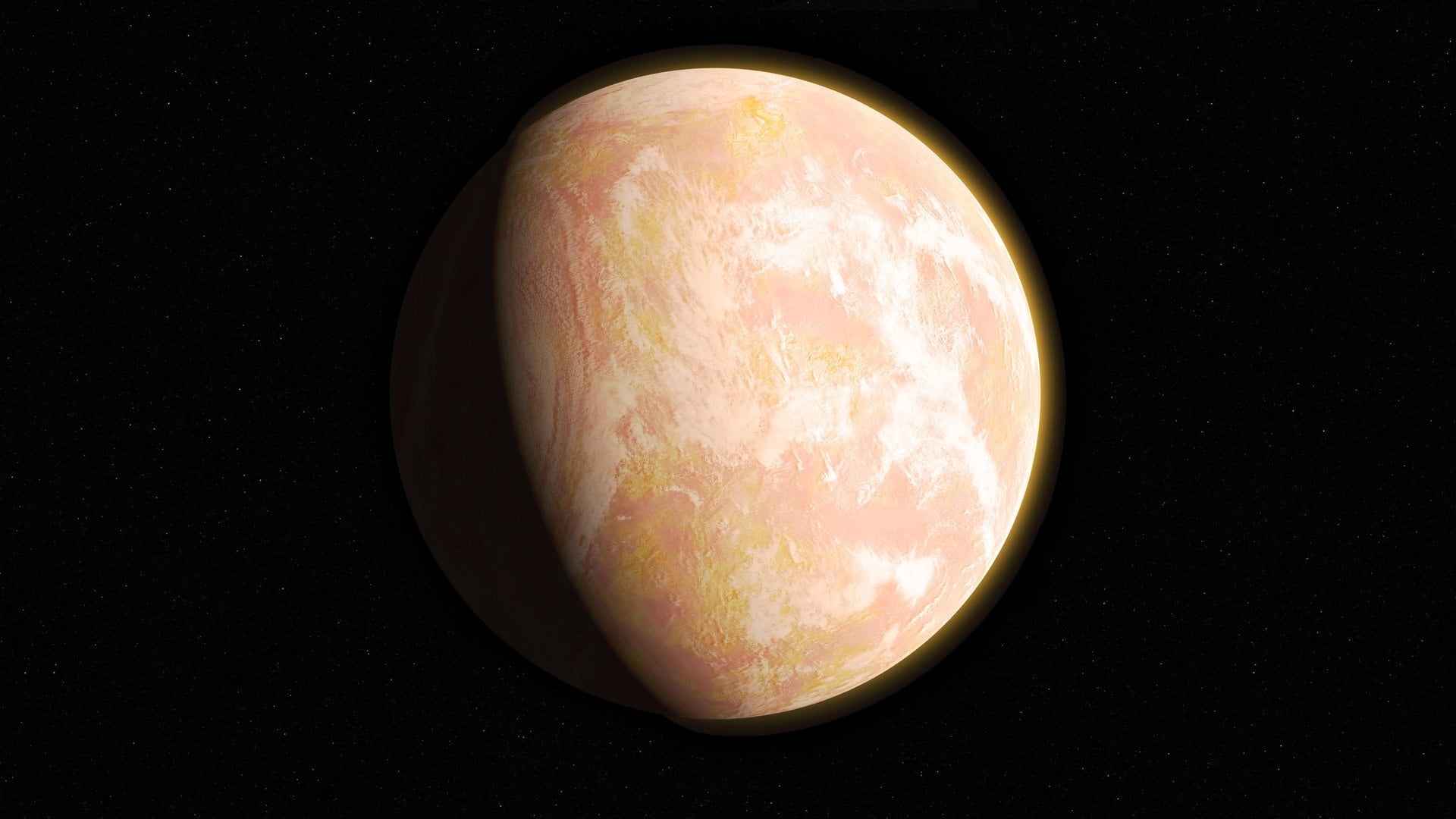
An astrobiologist based in Tokyo has developed an innovative method to study Earth's biosphere from 3.5 billion years ago. This research utilizes lunar samples, specifically those collected during the Apollo missions, as a comparative tool. By examining these extraterrestrial materials, the scientist aims to gain a clearer understanding of the conditions that supported early life on our own planet. The study focuses on the potential for ancient life to have existed in environments similar to those found on the Moon. This approach leverages the unique geological history of the Moon to infer details about Earth's primordial conditions. The findings could shed light on the origins of life and the factors necessary for its emergence. The astrobiologist's work highlights the interconnectedness of planetary science and our understanding of Earth's past. This research is expected to contribute significantly to the field of astrobiology and our search for life beyond Earth.
This research leverages the geological record of the Moon to infer conditions on early Earth, suggesting that extraterrestrial samples can serve as valuable proxies for understanding planetary evolution. By comparing lunar geology with Earth's ancient biosphere, scientists can explore universal principles of habitability and life's origins. This approach highlights the potential for space exploration to provide unique insights into terrestrial science, offering a broader perspective on the factors that enable and sustain life. The study's focus on deep time and comparative planetology aligns with the growing understanding that Earth's history is not isolated but part of a larger cosmic narrative, prompting further investigation into the conditions required for life's emergence across the galaxy.
AI-generated to prompt reflection — not editorial opinion, not advice, not a statement of fact. How this works.