Lung Cancer: Higher Rates in Men, Causes, Symptoms, and Prevention
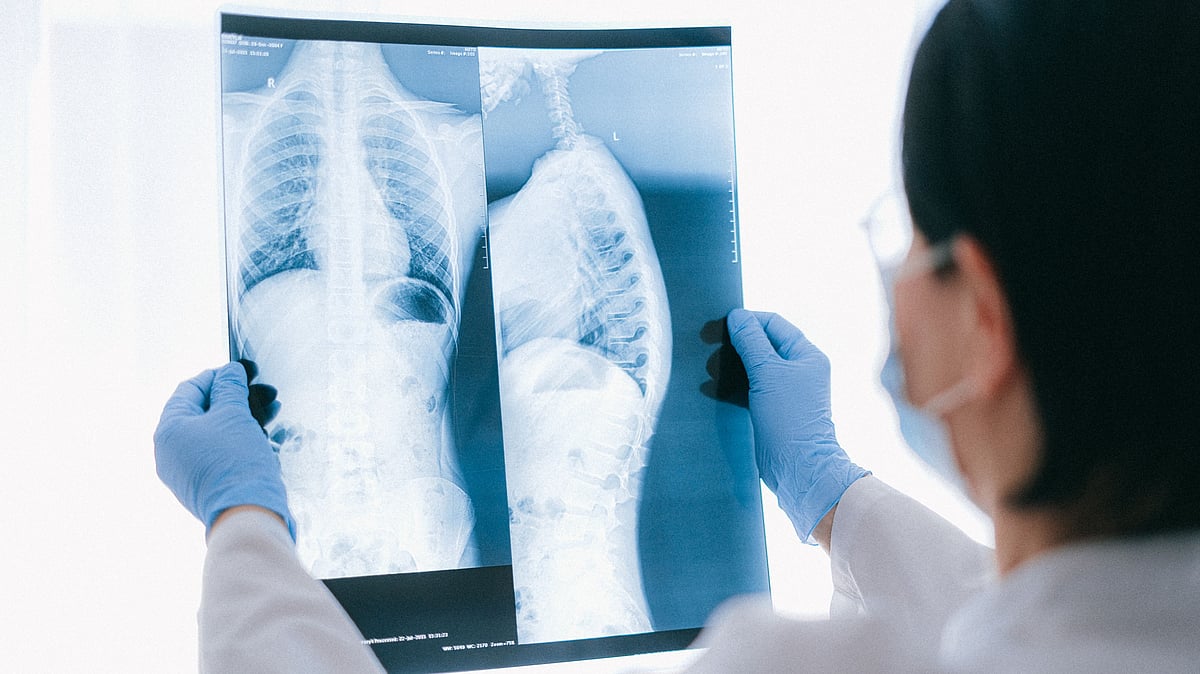
Lung cancer, characterized by the abnormal and uncontrolled growth of cells in lung tissue, is the leading cause of cancer-related deaths globally, according to the World Health Organization. It is a significant concern among male cancers, with men experiencing higher incidence and mortality rates compared to women. Annually, approximately 2.5 million new cases are diagnosed worldwide, leading to about 1.8 million deaths. In Bangladesh, surveys indicate that 17-18% of cancer patients suffer from lung cancer. The primary cause of lung cancer is smoking, including cigarettes and bidis, but individuals exposed to secondhand smoke also face increased risk. Other contributing factors include air pollution, radon gas exposure, and contact with asbestos, with genetic predisposition also playing a role. Early stages often present no symptoms, but later signs can include persistent cough, coughing up blood, shortness of breath, chest pain, frequent lung infections, unexplained weight loss, and extreme fatigue. There are two main types: non-small cell lung cancer, accounting for about 85% of cases and growing slower, and small cell lung cancer, which grows rapidly and is more common in smokers. Diagnosis involves a comprehensive medical history, physical examination, and laboratory tests like sputum analysis, X-rays, CT scans, PET scans, bronchoscopy, biopsy, and tumor marker tests. Treatments include radiation therapy, chemotherapy, targeted therapy, and biological therapy. Prevention is paramount and largely achievable by quitting smoking, avoiding secondhand smoke, staying away from air pollution and hazardous chemicals, maintaining a healthy diet, and regular exercise. The article emphasizes that about 90% of lung cancer cases are preventable, primarily through smoking cessation and prompt medical attention for any suspicious symptoms.
Lung cancer's disproportionate impact on men highlights the critical role of lifestyle factors, particularly smoking, which remains the primary preventable cause. The disease's significant global mortality underscores the need for robust public health initiatives focused on tobacco control and cessation programs. While medical advancements offer treatment options, the high incidence suggests that current prevention strategies may require enhanced reach and efficacy, especially in regions with high smoking prevalence. Future public health efforts should consider the evolving landscape of tobacco and nicotine products, including e-cigarettes, which emerging research links to increased cancer risk, necessitating updated public health guidance and regulatory frameworks. Addressing environmental factors like air pollution and occupational exposures also remains crucial for a comprehensive prevention strategy.
AI-generated to prompt reflection — not editorial opinion, not advice, not a statement of fact. How this works.