Luxury Building Construction Blocks Sea View in Maceió, Sparking Public Outcry
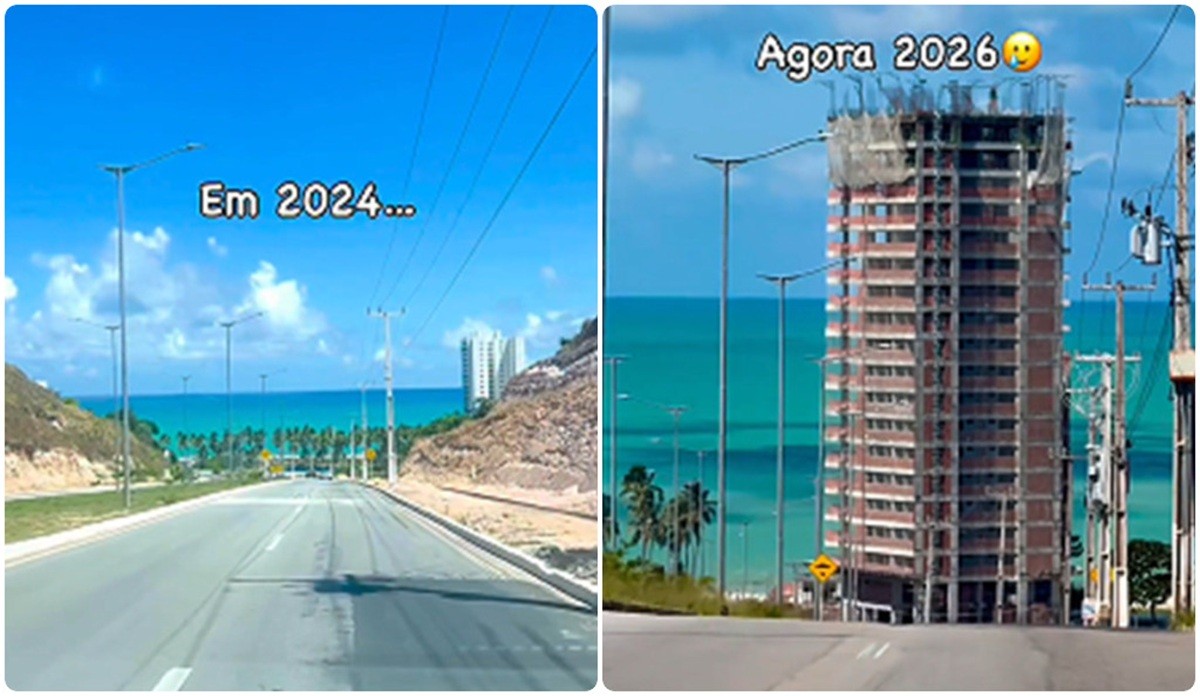
A luxury residential building under construction in Maceió, Brazil, has drawn significant public criticism for obstructing the sea view along the Rota do Mar coastal road in Guaxuma. The Rota do Mar, a nearly six-kilometer road inaugurated in April 2022, connects Guaxuma in the North Coast region to the Benedito Bentes neighborhood in the upper part of Maceió. A video circulating on social media highlights the dramatic change in the landscape, showing the sea view now blocked by the Píer Norte development. This residential complex will consist of two towers and a total of 60 apartments. According to information from the construction company, Engemat, apartment prices range from R$ 1.4 million to R$ 3.4 million, with some units listed between R$ 3.5 million and R$ 3.8 million, depending on the unit type and valuation date. The construction has ignited public debate, with social media users expressing dismay, calling the situation "sad" and "revolting," and lamenting the perceived lack of value placed on nature by developers and authorities. In response to inquiries, the Maceió City Hall stated that the building has regular licensing, granted in accordance with current urban and building legislation, and has met all legal and technical requirements. The Alagoas Environmental Institute (IMA) is reportedly investigating the situation, while Engemat has not yet responded to requests for comment.
The construction of the Píer Norte development in Maceió raises questions about the balance between urban development, private investment, and public access to natural amenities. While the project appears to have obtained the necessary permits according to municipal authorities, the public's reaction underscores a growing societal concern regarding the privatization of coastal views and the potential impact of large-scale construction on the aesthetic and experiential value of public spaces. Future urban planning and permitting processes may need to more robustly incorporate public sentiment and environmental impact assessments that consider visual access and the preservation of iconic vistas, especially in areas designated for public enjoyment. This situation highlights a common tension in rapidly developing coastal cities, where economic growth must be carefully weighed against the long-term preservation of natural beauty and public access.
AI-generated to prompt reflection — not editorial opinion, not advice, not a statement of fact. How this works.