Luxury Building Construction Resumes in São Paulo After Three-Year Embargo for Unlicensed Work
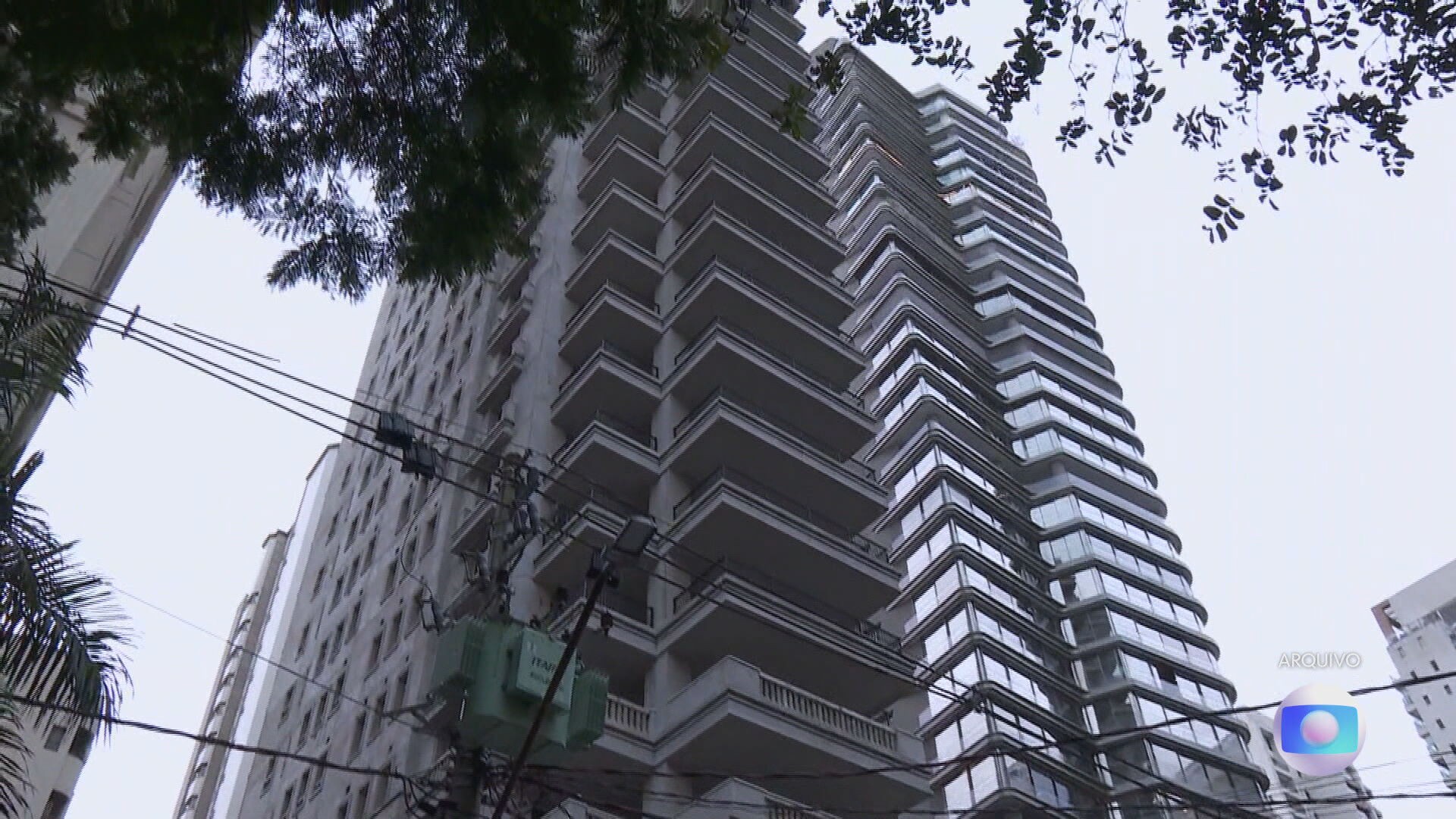
A São Paulo court has authorized the resumption of construction on a luxury building in the Itaim Bibi neighborhood, which had been under embargo for three years due to being built without proper permits. The decision by Judge Ana Carolina Gusmão de Souza Costa came after the construction company provided documentation proving the project's regularization and paid a R$ 29.4 million fine. While physical construction can restart, the sale and advertising of units remain prohibited under a previous ruling. The court requires the presentation of a Certificate of Completion or unequivocal technical confirmation from the city for full release. The 19-story building gained notoriety in 2023 when it was revealed that construction had proceeded without an execution permit in a highly valued area. The São Paulo Prefecture initially embargoed the work, imposed fines exceeding R$ 2.5 million, and sought the building's demolition, a stance publicly supported by Mayor Ricardo Nunes. The regularization process advanced after the developer addressed the primary urban planning issue: the absence of Cepacs (Certificates of Additional Construction Potential), which are necessary for buildings exceeding normal regional regulations. The municipality confirmed the company submitted proof of payment for the Onerous Grant, equivalent to 45% of the Cepac value. The Municipal Secretariat of Urbanism and Licensing issued a Certificate of Regularization and permits for renovation works after concluding that urban irregularities were resolved. Construction began years before the issue surfaced, with visible signs of the project dating back to at least 2015 and the main structure erected by March 2020. The company had admitted to not acquiring the required urbanistic titles due to high costs. In June 2023, the Prefecture and Public Prosecutor's Office requested demolition, citing construction without permits and inadequate safety inspections. A previous judge denied demolition but ordered the building remain unoccupied and sales suspended. The Prefecture investigated municipal servers, leading to one dismissal in 2024 for inadequate oversight.
This case highlights a significant gap between development timelines and regulatory compliance in high-value urban areas. The developer's strategy of proceeding with construction and later seeking regularization, coupled with substantial fines, suggests a calculated risk assessment based on the potential for project completion and market demand. The eventual regularization, despite initial defiance and significant financial penalties, indicates that market pressures and the substantial investment already made can often override initial regulatory breaches. This dynamic raises questions about the effectiveness of current enforcement mechanisms and whether they adequately deter unauthorized construction or merely impose a cost of doing business. Future urban development policies may need to consider more robust pre-construction oversight and potentially tiered penalties that more directly address the irreversible nature of completed structures, balancing economic development with public safety and urban planning integrity.
AI-generated to prompt reflection — not editorial opinion, not advice, not a statement of fact. How this works.