Luxury Car Crashes in São Paulo Leave Families Without Compensation
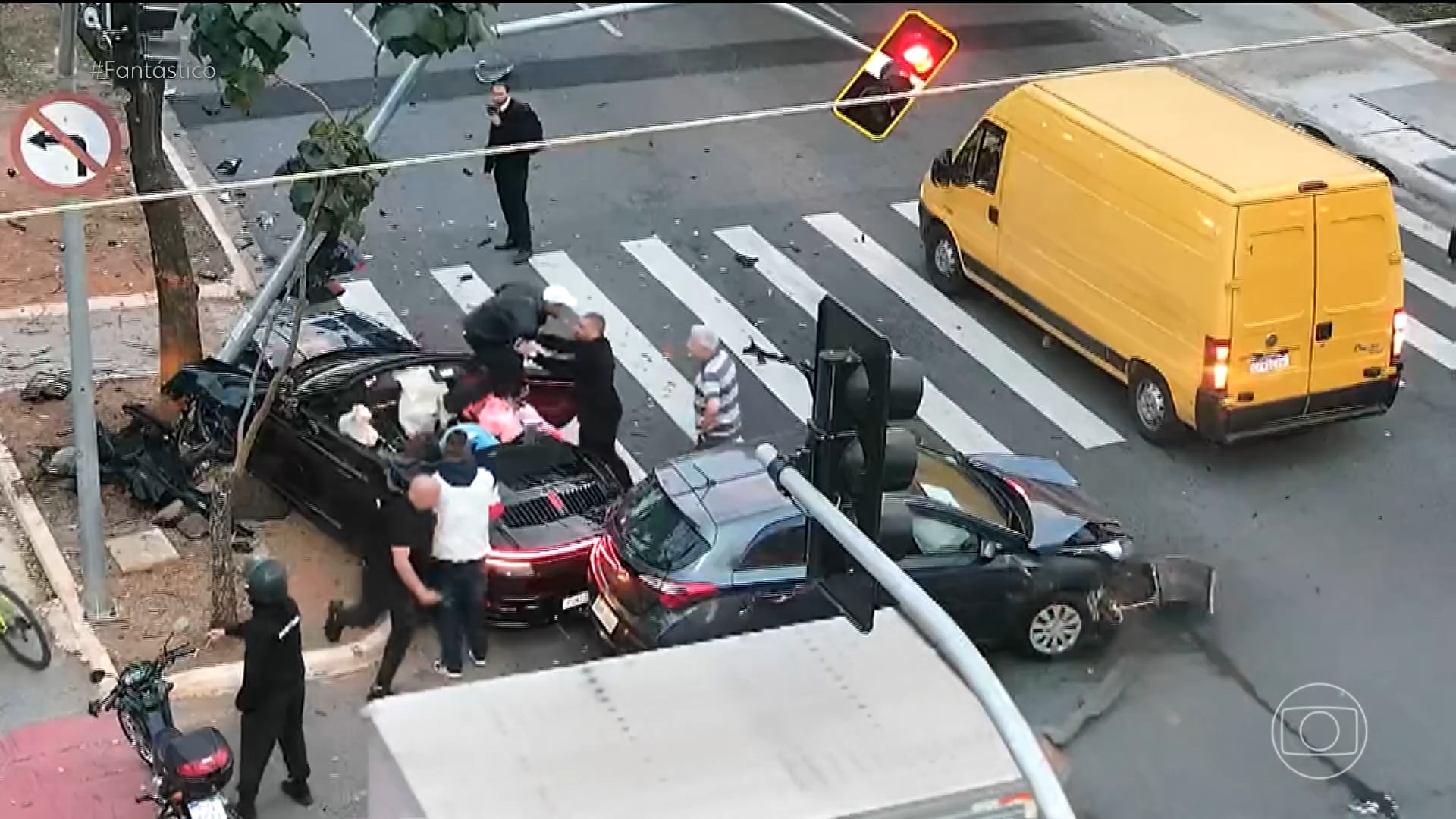
In São Paulo, Brazil, several tragic traffic accidents involving luxury vehicles have left victims' families struggling to receive due compensation. A military police officer, Fábio Pereira de Souza, aged 50, was killed after being hit by a speeding car. The driver, 22-year-old Bruno Yasuo Shimizu, was charged with qualified homicide. Shimizu has a prior history of causing a fatal accident at age 16. In a separate incident, Diego da Silva, a garbage collector, was killed by an allegedly intoxicated businessman, Guofang Huang, 53, while on duty. Huang's defense stated he would provide assistance to the victim's family. Data from the Center for Health and Alcohol Information (CISA) indicates that alcohol-impaired driving caused 13,075 deaths in Brazil in one year. Another case involves influencer Samuel Sant'Anna, known as Gato Preto, who allegedly ran a red light in his Porsche, causing an accident that injured Edson and his son. Sant'Anna, who reportedly had consumed alcohol and drugs, was released pending trial but later arrested for non-payment of child support. His victim is seeking compensation, which Sant'Anna disputes. The Porsche is slated for auction, with proceeds potentially going to the victim's family. Additionally, in 2019, pedestrian Audenilce Bernardina, 65, was killed by businessman Fábio Alonso driving a Porsche. Alonso, who had been drinking, was ordered to pay R$60,000 to each family member, a sum deemed insufficient by the victim's lawyer. He faces a charge of intentional homicide. In 2018, a street race involving a Mercedes and a Camaro resulted in a collision that killed two women and left the driver and a child with severe injuries. The driver, André Micheletti, was sentenced to 10 years for the deaths and injuries, ordered to pay R$2.6 million in damages, but has not paid, with assets allegedly hidden or held by third parties. Micheletti maintains his innocence regarding the accident.
These incidents highlight systemic failures in traffic law enforcement and judicial recourse, particularly when high-value assets are involved. The pattern of alleged intoxication, speeding, and subsequent legal battles for compensation suggests that the financial and social standing of some drivers may influence the pace and outcome of justice. While legal frameworks exist to address damages and criminal liability, the protracted delays and alleged asset concealment in these cases point to potential loopholes or enforcement gaps. Future policy considerations could involve more robust mechanisms for immediate asset seizure or surety bonds for drivers of luxury vehicles involved in serious infractions, ensuring victims' rights are prioritized over protracted legal disputes and potential evasion of financial responsibility. The disparity between the value of luxury vehicles and the compensation awarded or paid to victims warrants examination to ensure equitable justice.
AI-generated to prompt reflection — not editorial opinion, not advice, not a statement of fact. How this works.