Luxury Car Dealership Accused of Laundering Drug Money for PCC and CV Gangs
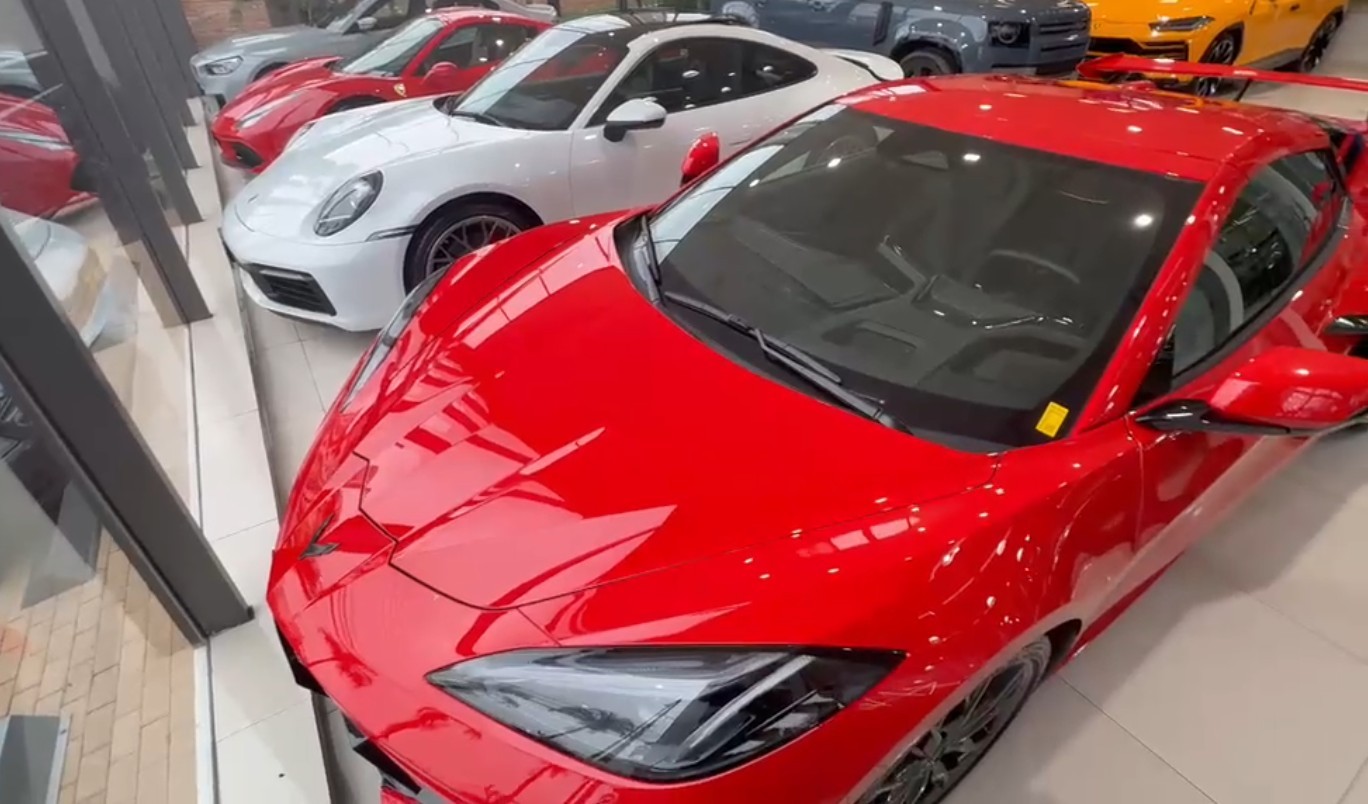
Brazil's Federal Police (PF) has concluded that a luxury car dealership in Osasco, São Paulo, was instrumental in laundering money for a criminal organization involved in international drug trafficking. The dealership allegedly provided a legitimate front for funds generated from shipping cocaine to Europe, operating as part of a scheme involving both the Comando Vermelho (CV) and Primeiro Comando da Capital (PCC) criminal factions. Judicial intervention has been ordered for the company. The investigation, known as Operation Commodity, identified Rodrigo de Paula Morgado, referred to as the "PCC Accountant," and Wanderson Machado de Oliveira, also known as "Del Piero" or "Pen Drive," as key figures. Both were already in custody for other offenses but now face charges related to this operation. Morgado is accused of designing and managing the corporate money laundering structure, providing shell companies to facilitate the illicit activities. He was previously investigated in Operation Narco Fluxo, which led to the arrests of musicians MC Poze do Rodo and MC Ryan SP. The dealership featured high-end vehicles from brands like Ferrari, Porsche, and Land Rover. The criminal network was highly specialized, with distinct units for drug export and money laundering. They utilized shell companies, cryptocurrency transactions, and seemingly legitimate businesses to obscure the origin of their funds. Oliveira reportedly coordinated international drug logistics and financial flows from Europe, while Morgado focused on integrating illicit funds into the formal economy through fake invoices and crypto conversions. The Port of Rio de Janeiro was identified as a key transit point, with at least six significant cocaine seizures linked to the group between June 2023 and September 2025. These seizures occurred in France, Belgium, Germany, Slovenia, Spain, and Brazil, involving hundreds of kilograms to over a ton of cocaine. The drugs were concealed in various cargo, including coffee, cement, and mortar, and sometimes disguised through chemical alteration.
This investigation highlights the sophisticated methods employed by transnational criminal organizations to integrate illicit proceeds into the legitimate economy. The use of high-value assets like luxury car dealerships, coupled with complex financial instruments such as cryptocurrency and shell corporations, demonstrates a strategic effort to obscure the origins of drug trafficking revenue. The PF's findings suggest a division of labor within the criminal enterprise, separating operational drug logistics from financial laundering activities, which requires significant expertise. This case underscores the challenges faced by law enforcement in tracing financial flows across borders and through various digital and corporate structures. Future efforts will likely need to focus on enhanced international cooperation, advanced financial intelligence gathering, and robust regulatory oversight of high-value goods and digital assets to disrupt such money laundering networks.
AI-generated to prompt reflection — not editorial opinion, not advice, not a statement of fact. How this works.