Luxury Condos Transform Leisure Areas into Experiential Ecosystems
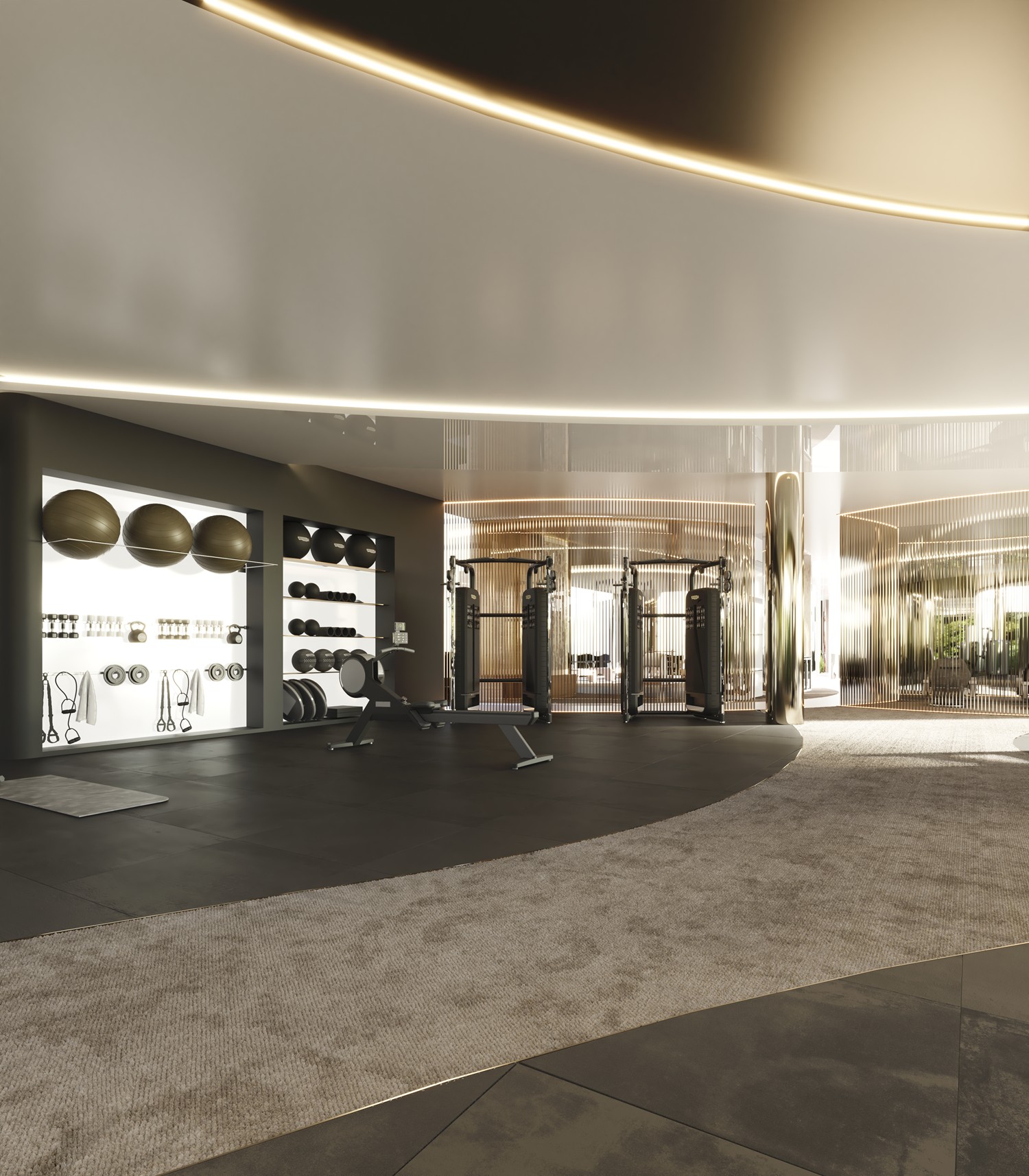
The real estate market is undergoing a significant shift, with luxury developments now prioritizing resident experience and a sense of belonging over traditional metrics like location and architecture. This trend aligns with the global growth of Wellness Real Estate, a segment focused on promoting health, well-being, and longevity within residential spaces. The Global Wellness Institute projects this market to reach $1.8 trillion by 2030, with Latin America anticipating a 36% increase driven by consumers valuing quality of life.
An example of this new approach is Atmosphere Home Spa, a project by Dall Empreendimentos in Itajaí/SC, Brazil. Instead of compartmentalizing over 13,000 square meters of shared areas, the development integrates them into "experience ecosystems." These spaces are designed to cater to various daily routines, fostering connection and intergenerational living. Camila Dall'Oglio, Director of Product and Branding at Dall Empreendimentos, explains that this integrated ecosystem model creates a fluid daily life for families, seamlessly blending well-being, leisure, work, and social interaction.
The project's core is its Wellness Center, a 2,600-square-meter spa featuring thermal suites, ionized pools, and treatment rooms, touted as the largest residential spa in Latin America. This concept extends to other amenities, including a Wine Club with multiple distinct environments, a Business Club offering coworking and office spaces, and a Kids Club with its own spa and play areas. The strategic placement of these ecosystems, balancing nature and architecture, aims to enhance the resident experience, with private areas like the spa oriented towards preserved native forest to promote tranquility.
The real estate industry's pivot towards "Wellness Real Estate" and integrated "experience ecosystems" reflects a broader societal re-evaluation of value, shifting from material possessions to experiential quality and well-being. This trend highlights a growing demand for living environments that actively contribute to health, social connection, and personal fulfillment, aligning with the increasing emphasis on mental and physical wellness in the AI era. Developers are leveraging sophisticated design and amenities, often inspired by ultra-luxury hospitality, to create curated lifestyles that foster a sense of community and belonging. This approach may redefine long-term resident satisfaction and property value, moving beyond mere functional utility to encompass holistic life enhancement. The challenge for developers will be to authentically deliver on these experiential promises, ensuring that the integration of wellness and community genuinely supports residents' diverse needs and aspirations over time.
AI-generated to prompt reflection — not editorial opinion, not advice, not a statement of fact. How this works.