Luxury Florianópolis Development Halts, Leaving Investors Facing Losses and Legal Battles
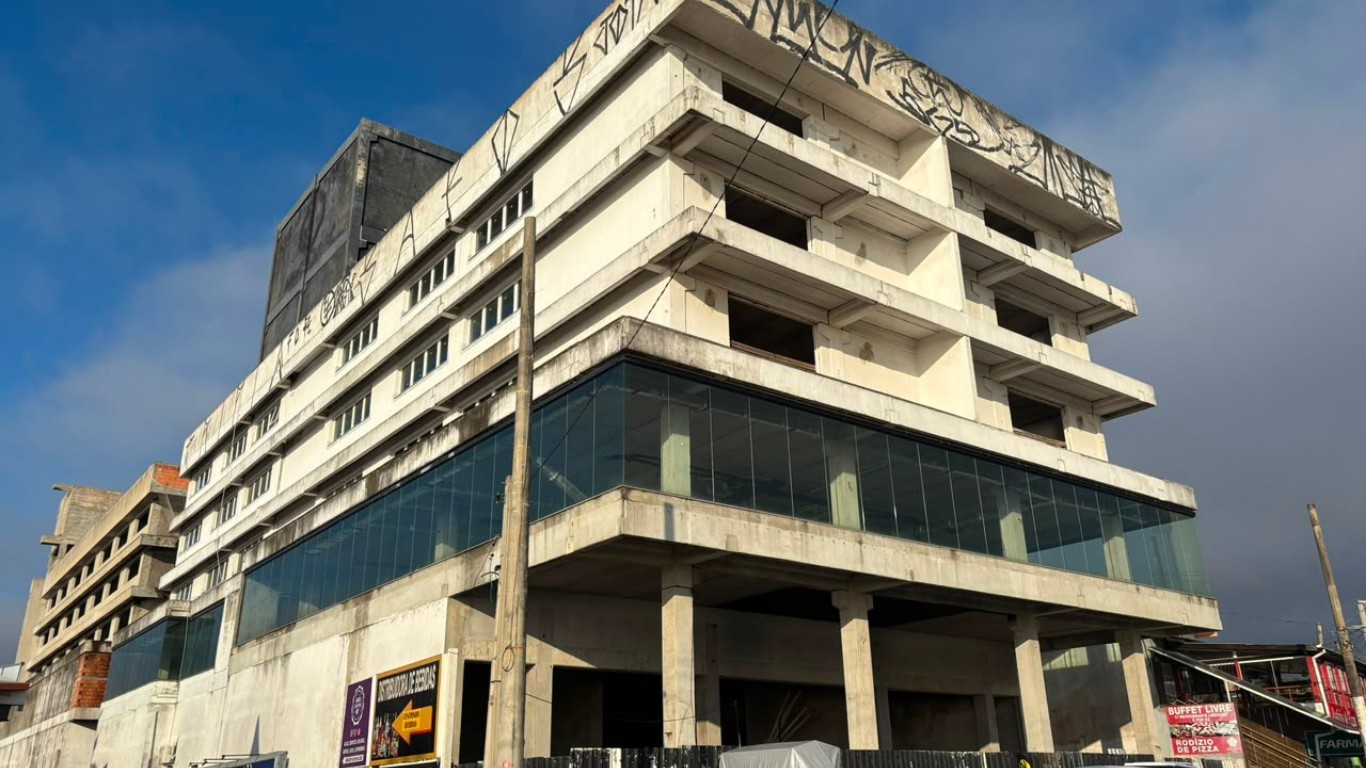
A luxury hotel and shopping complex planned for Florianópolis's Praia dos Ingleses has become a "nightmare" for hundreds of investors, with construction halted and legal disputes mounting. The project, approved in 2017 and intended to occupy an entire city block, now faces a stalled construction site, numerous lawsuits, and an expired building permit. The development combined a cooperative model, involving landowners and suppliers, with shared ownership schemes where buyers acquired rights to use properties for defined periods without holding full title.
JC Compra e Venda de Imóveis, one of the companies involved, cited a lack of investment post-pandemic and issues with an investment fund as reasons for the delays. Investors report significant financial losses, with some claiming damages up to R$200,000. For instance, a couple invested R$44,000 each for two shares, paying over R$10,000 before stopping payments due to the construction standstill and lack of contact with developers. Another investor lost over R$21,000, and a professor from São Paulo reported a loss of nearly R$200,000 for five shares.
The Santa Catarina Public Prosecutor's Office (MPSC) has opened an inquiry to investigate the construction delays. JC Compra e Venda de Imóveis Ltda and its affiliate SCP Centrinho dos Ingleses are involved in nearly 800 lawsuits. The company claims it is negotiating with a new investor to resume construction and restructure the project into a Specific Purpose Entity (SPE) under new management. They state that 99% of the transition agreement is aligned and that an assembly for cooperators will soon be held to discuss repayment schedules and project restart. Affected parties seeking refunds or information are advised to contact the company directly.
This situation highlights the inherent risks in complex real estate developments, particularly those utilizing novel ownership structures like shared usage rights and cooperative models. The project's reliance on external investment funds and the impact of post-pandemic economic shifts underscore the vulnerability of such ventures to macroeconomic factors. The legal entanglements and the significant number of lawsuits suggest potential governance failures and a lack of robust risk management by the developers. Moving forward, regulatory bodies may need to scrutinize the transparency and financial safeguards associated with these fractional ownership schemes to protect consumers from similar future losses, while developers must ensure contingency planning for unforeseen economic downturns and operational disruptions.
AI-generated to prompt reflection — not editorial opinion, not advice, not a statement of fact. How this works.
