Luxury Real Estate Shifts Focus from Status to Well-being
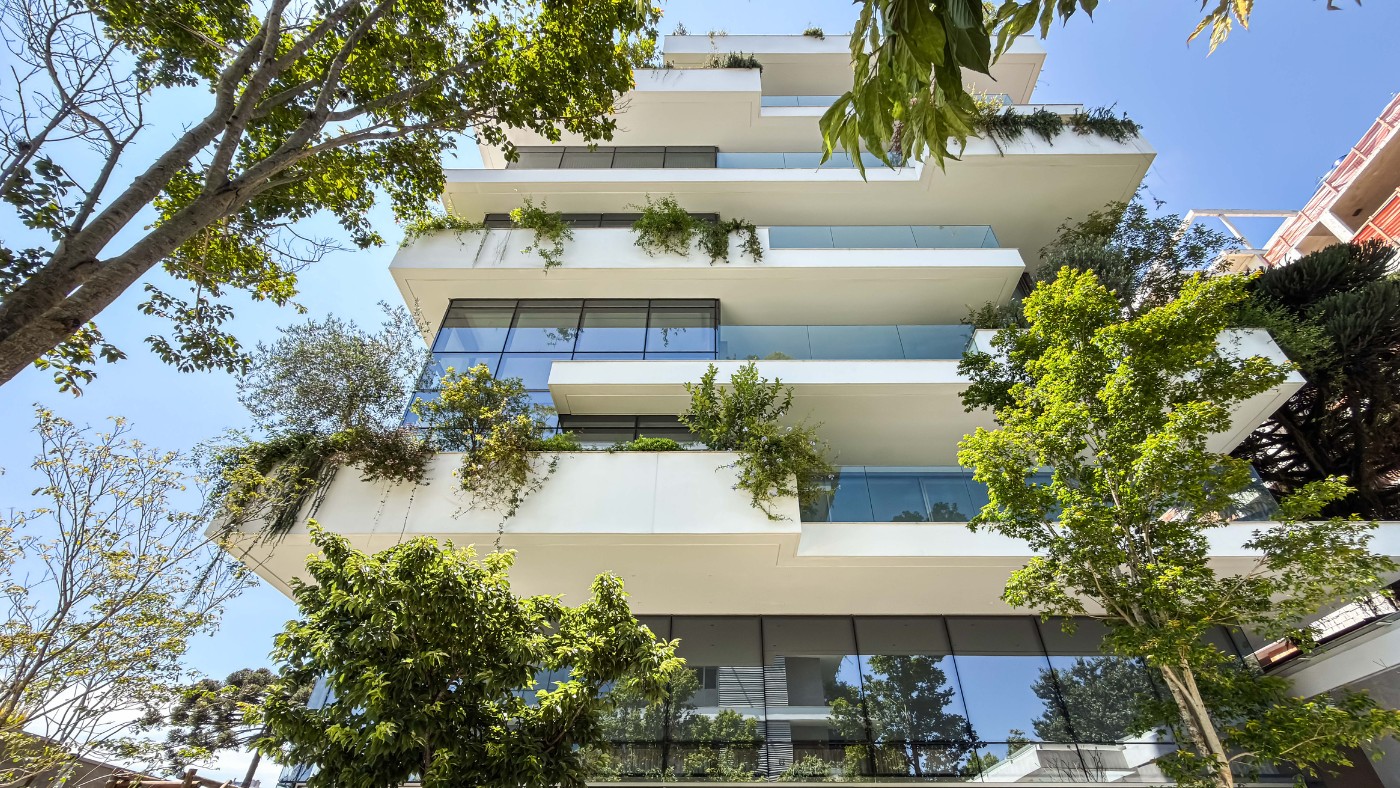
The definition of luxury real estate is undergoing a significant transformation, moving away from traditional markers of status like large square footage and exclusive addresses towards attributes that enhance residents' quality of life. A Sotheby's International Realty report, the Mid-Year Luxury Outlook 2026, highlights that affluent buyers now prioritize well-being factors such as air quality, acoustic comfort, natural light, and dedicated rest spaces. Properties incorporating these features can command prices 10% to 25% higher than conventional luxury homes, signaling a deeper understanding of what constitutes good living.
This trend is mirrored in the Brazilian real estate market, particularly in cities like Curitiba, where concepts such as neuroarchitecture, wellness real estate, and Longevity Home are gaining traction. Buyers are increasingly asking about their daily routines, sleep quality, stress reduction, and connection to nature within a property, viewing homes as tools for health improvement rather than mere assets. The emphasis has shifted from ostentatious displays to tangible benefits for physical and mental health, with silence, for instance, becoming a valuable real estate asset due to urban density and hyperconnectivity. Solutions like double-glazed windows and high-performance frames are now standard for acoustic comfort, directly impacting quality of life and aligning with the Longevity Home concept of reducing excessive stimuli.
Furthermore, the quality of sleep is now a central consideration in architectural design, with features like circadian lighting, automated blinds, and efficient ventilation systems being integrated to support natural bodily rhythms. Air quality is also a growing concern, with advanced filtration systems and the use of low-emission materials becoming common to combat issues like mold and allergies, especially in humid climates. The emergence of dedicated spaces for relaxation, meditation, or contemplation reflects a broader societal shift that recognizes rest as integral to well-being, moving beyond a sole focus on productivity. Cities like Curitiba, with their urban planning, green spaces, and temperate climate, are naturally conducive to these evolving luxury living standards, further enhanced by neuroarchitecture and biophilic design principles that integrate nature into living spaces.
The real estate market's redefinition of luxury reflects a broader societal pivot towards prioritizing intrinsic personal well-being over external validation. This shift is driven by an increasing awareness of the impact of living environments on mental and physical health, amplified by technological advancements that enable more sophisticated environmental controls. As urban density and digital saturation intensify, the demand for restorative and healthy living spaces is likely to grow, presenting both opportunities and challenges for developers. Future market success will increasingly depend on integrating sustainable, health-focused design principles that offer tangible benefits, rather than relying solely on traditional status symbols. This evolution suggests a long-term trend where homes are viewed as integral components of a healthy lifestyle, requiring a deeper understanding of human-environment interactions.
AI-generated to prompt reflection — not editorial opinion, not advice, not a statement of fact. How this works.